Air ducts play a crucial role in maintaining indoor air quality and HVAC efficiency. Over time, dust, debris, mold, and other contaminants can accumulate inside ductwork, impacting both health and system performance. One of the most effective approaches to address these issues is source removal duct cleaning. This method targets the root of contamination, ensuring that pollutants are physically extracted from the duct system rather than simply being displaced or masked.
Understanding how this process works, its benefits, and how it compares to other cleaning techniques can help homeowners and facility managers make informed decisions about maintaining clean and healthy air ducts. For those interested in more specialized topics, such as how to clean insulated ductwork safely, exploring different cleaning strategies is also valuable.

Understanding the Source Removal Approach
At its core, source removal in duct cleaning refers to the physical extraction of contaminants from within the HVAC system. Unlike surface cleaning or chemical treatments that may only address visible dust or mask odors, this method focuses on removing all debris, dust, and microbial growth directly from the interior surfaces of the ductwork and associated components.
The process typically involves specialized tools and high-powered vacuums designed to dislodge and capture particles. By targeting the actual source of contamination, this method ensures a more thorough and lasting clean compared to less intensive alternatives.
How the Source Removal Method Works
The process of source removal duct cleaning generally follows a series of well-defined steps to ensure comprehensive results:
- Inspection: Technicians begin by assessing the duct system to identify areas with significant buildup or contamination.
- Agitation: Brushes, air whips, or compressed air tools are used to loosen dust, dirt, and debris from duct surfaces.
- Extraction: A powerful vacuum system, often equipped with HEPA filtration, is connected to the ductwork. This creates negative pressure, drawing contaminants out of the system and into a sealed collection unit.
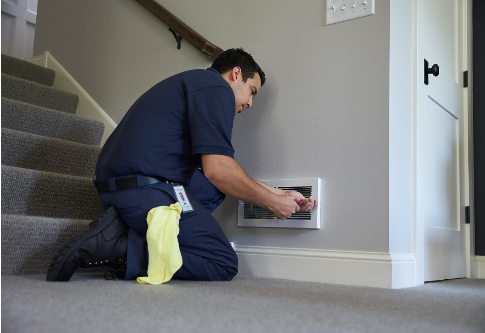
- Component Cleaning: Registers, grilles, coils, and other HVAC components are also cleaned to remove any residual debris.
- Final Inspection: The system is checked to ensure all contaminants have been removed and airflow is unobstructed.
This method is often paired with negative air pressure cleaning techniques to maximize effectiveness and prevent the spread of dust during the process.
Key Benefits of Source Removal Duct Cleaning
Choosing a thorough cleaning strategy for your air ducts offers several significant advantages:
- Improved Indoor Air Quality: By removing dust, pollen, pet dander, and microbial growth, this method helps reduce allergens and respiratory irritants in the living space.
- Enhanced HVAC Efficiency: Clean ducts allow air to flow more freely, reducing strain on the system and potentially lowering energy costs.
- Odor Elimination: Extracting the root cause of musty or stale odors ensures fresher air throughout the property.
- Prevention of Recurring Issues: By addressing the source of contamination, this approach helps prevent rapid re-accumulation of debris and microbial growth.
- Supports Healthier Environments: Particularly important for individuals with allergies, asthma, or sensitivities, as well as in commercial or healthcare settings.
For those concerned about the health impacts of dirty ducts, learning about the symptoms of sick building syndrome from ducts can provide further insight into why thorough cleaning is so important.
Comparing Source Removal to Other Duct Cleaning Methods
Not all duct cleaning techniques offer the same level of effectiveness. Here’s how source removal stands apart from other common approaches:
| Method | How It Works | Effectiveness |
|---|---|---|
| Source Removal | Physically extracts debris and contaminants using agitation and vacuum systems. | High – removes most pollutants and buildup. |
| Surface Cleaning | Wipes or brushes only accessible surfaces; may not reach deep inside ducts. | Low to Moderate – may leave behind hidden contaminants. |
| Chemical Treatments | Applies sprays or sealants to mask odors or kill microbes. | Variable – may not remove physical debris; effectiveness depends on application. |
| Negative Air Pressure | Creates suction to pull out loose particles; often used with source removal. | High when combined with agitation and extraction tools. |
The most comprehensive results are achieved when source removal is combined with negative air pressure and, where appropriate, additional measures such as UV light installation. For more on this, see the role of UV lights in duct cleanliness.
When Should You Consider Source Removal?
While routine duct cleaning is beneficial for most properties, there are specific situations where a more intensive approach is recommended:
- Visible Mold Growth: If mold is detected inside ducts or on HVAC components, physical removal is essential.
- After Renovations: Construction dust and debris can quickly accumulate in ductwork during remodeling projects. Learn about ways to keep ducts clean during remodeling to minimize buildup.
- Unexplained Allergies or Illness: Persistent respiratory symptoms may indicate hidden contaminants in the air system.
- Excessive Dust: If dust returns quickly after cleaning surfaces, dirty ducts may be the culprit.
- HVAC Performance Issues: Reduced airflow or frequent filter changes can signal duct blockages.

DIY vs. Professional Source Removal
While some homeowners may attempt to clean air ducts themselves, achieving the level of thoroughness required for effective source removal typically demands professional equipment and expertise. DIY methods can help with surface dust, but they rarely reach deep-seated contaminants or provide the negative pressure needed for complete extraction.
For those interested in tackling minor cleaning tasks, this step-by-step guide to cleaning air ducts yourself offers practical advice. However, for mold, heavy buildup, or persistent air quality issues, hiring certified professionals is the safest and most effective choice.
Maintaining Clean Ducts After Source Removal
Once your ducts have been thoroughly cleaned, ongoing maintenance is key to preserving indoor air quality and HVAC efficiency. Here are some practical tips:
- Replace Filters Regularly: Use high-quality filters and change them according to manufacturer recommendations.
- Control Moisture: Address leaks and humidity issues to prevent mold growth.
- Schedule Periodic Inspections: Have your system checked by professionals every few years, or sooner if you notice dust or odors returning.
- Keep Vents and Registers Clean: Vacuum and wipe down accessible components as part of routine cleaning.
- Consider Air Purification: Devices like HEPA air scrubbers can help capture airborne particles and maintain cleaner air between duct cleanings.
Frequently Asked Questions
How often should source removal duct cleaning be performed?
Most experts recommend a thorough duct cleaning every 3 to 5 years, but frequency may vary based on factors like pets, allergies, recent renovations, or visible contamination. High-traffic commercial spaces or healthcare facilities may require more frequent service.
Is source removal safe for all types of ductwork?
When performed by trained professionals using the correct equipment, source removal is safe for most duct systems, including metal and some flexible ducts. However, special care is needed for insulated or fragile ductwork. For more details, see how to clean insulated ductwork safely.
What are signs that my ducts need professional cleaning?
Common indicators include visible dust blowing from vents, persistent musty odors, unexplained allergy symptoms, or evidence of mold and pest infestations inside the system.
Can source removal help with allergy symptoms?
Yes, by physically removing allergens such as dust, pollen, and pet dander from the ductwork, this method can contribute to a noticeable reduction in allergy and asthma symptoms for many individuals.
Are chemical treatments necessary after source removal?
In most cases, physical removal is sufficient. Chemical treatments may be recommended in specific situations, such as after mold remediation, but should only be used when necessary and with proper ventilation.