Keeping air ducts clean is crucial for healthy indoor air and efficient HVAC system performance. While traditional cleaning methods like vacuuming and brushing remove visible dust and debris, they may not address microscopic contaminants. This is where UV light technology comes into play. By targeting airborne pathogens and organic buildup inside ductwork, ultraviolet systems offer an advanced approach to maintaining a cleaner, healthier air distribution network.
Homeowners and facility managers are increasingly interested in how UV solutions can supplement routine duct maintenance. Understanding the role of UV lights in duct cleanliness helps clarify their benefits, limitations, and best practices for use. For those curious about the full process, you can learn more about what happens during a professional duct cleaning to see how UV systems fit into a comprehensive maintenance plan.

How UV Light Technology Works in Air Ducts
Ultraviolet germicidal irradiation (UVGI) uses short-wavelength UV-C light to disrupt the DNA and RNA of microorganisms. When installed inside HVAC ductwork, these lamps continuously expose passing air and duct surfaces to germicidal rays. This process neutralizes bacteria, viruses, mold spores, and other organic contaminants that might otherwise thrive in the moist, dark environment of air ducts.
Most UV systems for ductwork are installed near the evaporator coil or within the main trunk lines. The strategic placement ensures maximum exposure to circulating air and surfaces where microbial growth is most likely. Over time, this can significantly reduce the buildup of biofilms and organic residue, supporting a cleaner duct system between scheduled cleanings.
Benefits of Using UV Lights for Duct Hygiene
Integrating UV lamps into HVAC systems offers several advantages beyond what mechanical cleaning alone can achieve. Here are some of the most notable benefits:
- Continuous Disinfection: Unlike manual cleaning, UV lights work 24/7 to suppress microbial growth, helping maintain a healthier environment.
- Improved Indoor Air Quality: By reducing airborne pathogens and allergens, UV technology can help alleviate symptoms for people with allergies or respiratory sensitivities.
- Reduced Odors: Many persistent odors in ductwork are caused by mold or bacteria. UV systems help neutralize these sources at their origin.
- Enhanced System Efficiency: Cleaner ducts and coils mean less airflow restriction and improved HVAC performance, potentially lowering energy costs.
- Lower Maintenance Frequency: With fewer contaminants accumulating, the need for frequent deep cleaning may decrease, saving time and money in the long run.
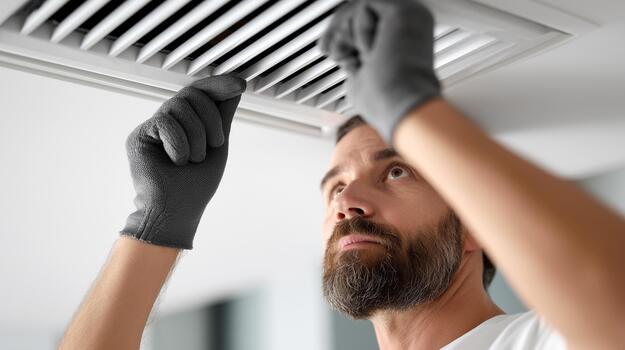
Key Considerations When Installing UV Systems in Ductwork
While the advantages are clear, it’s important to approach UV installation thoughtfully. Here are some factors to keep in mind:
- Proper Sizing and Placement: The effectiveness of UV lamps depends on their wattage, number, and location within the duct system. Professional assessment ensures optimal coverage.
- Safety Precautions: Direct exposure to UV-C light can be harmful to skin and eyes. All installations should be performed with the power off, and fixtures should be designed to prevent accidental exposure.
- Maintenance Requirements: UV bulbs lose intensity over time and typically need replacement every 12–24 months. Regular inspection is necessary to ensure continued performance.
- Compatibility: Not all HVAC systems are designed for easy integration of UV technology. Consult with a qualified technician to determine suitability.
- Supplement, Not Substitute: UV lights are most effective when used alongside, not instead of, routine duct cleaning and filter changes.
Comparing UV Lights to Other Duct Cleaning Methods
Mechanical cleaning methods—such as vacuuming, brushing, and using HEPA-filtered air scrubbers—physically remove dust, debris, and larger contaminants. UV systems, in contrast, target microscopic organisms that mechanical tools may miss. When combined, these approaches offer a more comprehensive solution for maintaining duct hygiene.
For those interested in DIY approaches, it’s important to understand the tools needed for DIY duct cleaning and the limitations of non-professional methods. UV lights can be a valuable addition, but they do not replace the need for thorough physical cleaning, especially in ducts with heavy buildup.
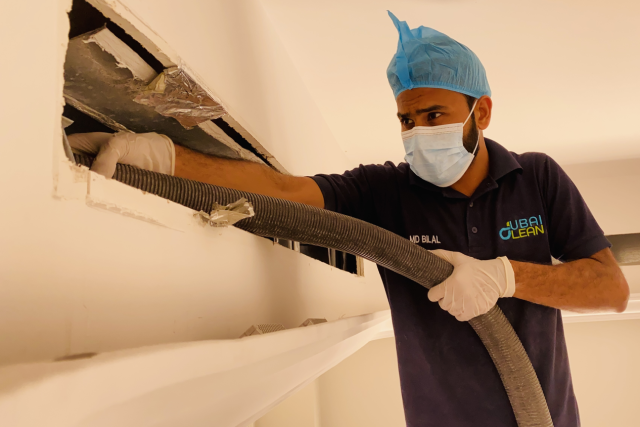
How UV Lights Support Ongoing Duct Cleanliness
The ongoing action of UV lamps helps prevent the regrowth of mold and bacteria after a professional cleaning. This is especially valuable in humid climates or buildings with a history of microbial contamination. By keeping duct interiors less hospitable to unwanted organisms, UV technology extends the benefits of both professional and DIY maintenance.
For a deeper understanding of how environmental factors affect duct conditions, see this guide on the impact of dusty ducts on indoor air quality. Combining UV systems with regular filter changes and scheduled cleanings creates a multi-layered defense against indoor air pollution.
Professional Insights and Best Practices
Industry experts recommend pairing UV installation with a thorough cleaning to remove existing debris and biofilms. Afterward, UV lamps help maintain cleanliness between service visits. For a detailed look at the cleaning process, the air duct cleaning process explained by professionals provides valuable context.
It’s also helpful to schedule periodic inspections to ensure UV systems are operating effectively and to replace bulbs as needed. Homeowners should continue to monitor air filters and consider professional assessments to optimize both air quality and system performance.
Frequently Asked Questions
Do UV lights eliminate all contaminants in air ducts?
UV lamps are highly effective at neutralizing many bacteria, viruses, and mold spores, but they do not remove dust, dirt, or larger debris. For complete duct hygiene, a combination of UV technology and mechanical cleaning is recommended.
Are UV systems safe for use in residential HVAC ducts?
When installed and maintained properly, UV lamps are safe for use in home ductwork. Fixtures are designed to prevent direct exposure to occupants, and installation should always be performed by a qualified technician.
How often should UV bulbs in duct systems be replaced?
Most UV bulbs lose effectiveness after 12 to 24 months of continuous use. Regular inspections and timely replacement are necessary to maintain optimal performance.
Can UV lights reduce the need for professional duct cleaning?
While UV systems help prevent microbial regrowth, they do not remove physical debris. Professional cleaning is still necessary, but UV lamps can extend the time between service visits by keeping ducts cleaner for longer.
Conclusion
Ultraviolet technology is a powerful tool for supporting duct hygiene and improving indoor air quality. By targeting microorganisms that traditional cleaning methods may miss, UV lamps offer continuous protection and help maintain a healthier environment. For best results, they should be used alongside regular cleaning and filter maintenance. As awareness of indoor air quality grows, UV solutions are likely to become an increasingly common feature in both residential and commercial HVAC systems.