Indoor air quality is a crucial factor in maintaining a healthy home, especially for individuals who suffer from asthma or allergies. Hidden contaminants within your HVAC system can worsen respiratory symptoms and reduce overall comfort. One of the most effective ways to identify and address these hidden threats is through duct camera inspection for asthma triggers. This advanced diagnostic method allows professionals to visually assess the inside of air ducts, pinpointing sources of dust, mold, and other irritants that may be affecting your indoor environment.
Understanding what lurks inside your ductwork is the first step toward creating a safer, cleaner living space. By leveraging modern camera technology, homeowners and facility managers can gain valuable insights into the condition of their ventilation systems. If you’re interested in broader HVAC maintenance, you might also find it helpful to learn how to clean an HRV filter for improved air quality.
Why Air Ducts Matter for Asthma Management
Air ducts are responsible for circulating heated or cooled air throughout your home. Over time, these passages can accumulate dust, pet dander, pollen, mold spores, and even pest debris. For those with asthma, these contaminants can act as significant triggers, leading to increased symptoms and discomfort. Routine cleaning helps, but without a clear view inside the ducts, it’s easy to miss hidden problem areas.
Traditional cleaning methods often rely on guesswork or surface-level inspections. In contrast, using a specialized camera system provides a detailed, real-time look at the interior surfaces of your ductwork. This approach ensures that no potential irritant goes unnoticed, allowing for more targeted cleaning and remediation.

How Duct Camera Technology Works
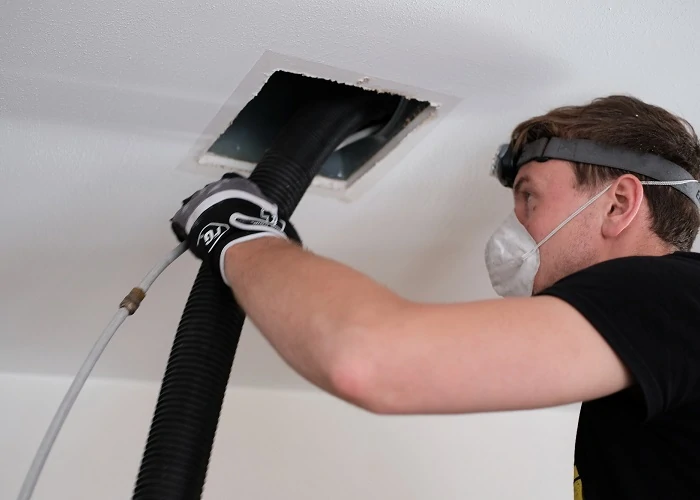
A duct camera inspection for asthma triggers involves inserting a small, high-resolution camera into the ductwork. The camera is typically mounted on a flexible cable, allowing it to navigate bends and junctions within the system. As the technician guides the camera, live video footage is transmitted to a monitor, providing a clear view of the duct’s interior.
This process can reveal a range of issues, including:
- Accumulated dust and debris
- Mold growth or moisture damage
- Signs of pest infestation
- Obstructions or blockages
- Damaged or deteriorating duct materials
By identifying these problems, homeowners can take targeted action to remove asthma triggers and improve indoor air quality.
Common Asthma Triggers Found in Ductwork
Several substances commonly found in HVAC systems can contribute to asthma flare-ups. During a camera inspection, technicians often encounter:
- Dust mites: Tiny organisms that thrive in dust and can provoke allergic reactions.
- Mold spores: Mold grows in damp, dark environments and releases spores that irritate the respiratory system.
- Pet dander: Microscopic skin flakes from animals that become airborne and settle in ducts.
- Pollen: Outdoor allergens that enter the home and accumulate in the ventilation system.
- Pest droppings: Rodents and insects can leave behind waste that exacerbates asthma symptoms.
Identifying these triggers is essential for effective asthma management. Once detected, appropriate cleaning and remediation steps can be taken to minimize exposure.
Benefits of Using a Camera for Duct Inspections
There are several advantages to choosing a camera-based assessment over traditional methods:
- Precision: Pinpoints the exact location of contaminants or damage, enabling targeted cleaning.
- Documentation: Provides visual evidence for homeowners, property managers, or insurance claims.
- Efficiency: Reduces the need for unnecessary cleaning by focusing efforts where they’re needed most.
- Peace of mind: Confirms the effectiveness of cleaning and remediation efforts with before-and-after footage.
For those interested in learning more about the process, this detailed overview of HVAC duct camera inspection explains the technology and its applications in greater depth.
When Should You Schedule a Duct Camera Assessment?
Not every home requires frequent duct inspections, but certain situations make this service especially valuable. Consider scheduling a camera-based evaluation if:
- Someone in your household has unexplained asthma symptoms or allergies
- You notice persistent dust or musty odors despite regular cleaning
- Your home has experienced water damage or flooding
- You’ve recently completed renovations or construction
- You suspect pests may have entered your ductwork
Regular inspections, combined with proper cleaning, can help maintain a healthier indoor environment and reduce the risk of asthma attacks.
Integrating Duct Camera Inspections with Other Air Quality Strategies
While visual inspections are powerful, they work best when combined with other maintenance practices. For example, replacing HVAC filters regularly, controlling humidity, and addressing leaks all contribute to a cleaner system. If you’re dealing with specific issues like dust buildup in a heat pump, you may want to review guides on how to check for dust in a heat pump to supplement your efforts.
Additionally, addressing dead spots in ductwork and ensuring proper airflow can further reduce the accumulation of asthma triggers. These combined strategies offer a comprehensive approach to indoor air quality management.
What to Expect During a Professional Duct Camera Service
A typical appointment begins with a consultation, where the technician discusses your concerns and explains the process. The camera is then inserted into accessible duct openings, and the technician methodically examines the system. Homeowners can often view the footage in real time, allowing them to see exactly what’s inside their ducts.
After the inspection, you’ll receive a summary of findings, including images or video clips of any problem areas. The technician may recommend cleaning, repairs, or further testing based on what’s discovered. This transparent process ensures that you’re fully informed and empowered to make decisions about your home’s air quality.
Frequently Asked Questions
How often should I have my ducts inspected with a camera?
For most households, a camera inspection every 3–5 years is sufficient. However, if someone in your home has severe asthma or allergies, or if you’ve experienced water damage or pest issues, more frequent assessments may be beneficial.
Can a duct camera inspection detect mold and other hidden contaminants?
Yes, camera technology can reveal visible mold growth, dust buildup, and other debris that may not be apparent from the outside. However, laboratory testing may be needed to confirm the type of mold or other microscopic contaminants.
Is it necessary to clean my ducts after every inspection?
Not always. If the inspection reveals minimal buildup and no signs of mold or pests, immediate cleaning may not be required. The main benefit of a camera inspection is to provide accurate information, so you can make informed decisions about when and where cleaning is needed.