Keeping your home’s air clean and safe often means paying attention to both your chimney and your air ducts. While both systems move air and can collect dust and debris, the methods and reasons for cleaning them are quite different. Understanding how to clean a chimney vs an air duct helps homeowners make informed decisions about maintenance, safety, and indoor air quality.
This article breaks down the key differences between these two cleaning processes, explains why each is important, and offers practical tips for homeowners. If you’re also interested in broader HVAC maintenance, you may want to learn about how to clean an HRV filter for even better air quality.
Understanding Chimney Cleaning
Chimneys are designed to vent smoke, gases, and byproducts from fireplaces, wood stoves, or furnaces safely out of your home. Over time, soot, creosote, and debris can build up inside the flue. This buildup can lead to reduced efficiency, unpleasant odors, and even dangerous chimney fires if not addressed.
The process of cleaning a chimney involves removing these deposits from the flue and inspecting for blockages or structural issues. Professional chimney sweeps use specialized brushes, rods, and vacuums to scrub the interior walls and collect loosened debris. In some cases, cameras are used to check for cracks or obstructions.
Air Duct Cleaning Explained
Air ducts are part of your home’s HVAC system, distributing heated or cooled air throughout the building. Over time, dust, pollen, pet dander, and even mold can accumulate inside the ductwork. This can reduce system efficiency and contribute to poor indoor air quality.
Cleaning air ducts typically involves using high-powered vacuums, rotary brushes, and sometimes compressed air to dislodge and remove contaminants from the ductwork. Technicians may also clean vents, registers, and HVAC components like coils and fans. For a detailed step-by-step approach, you can refer to guides such as how to clean air ducts yourself.
Key Differences Between Chimney and Air Duct Cleaning
While both processes involve removing unwanted buildup, the materials, tools, and goals differ significantly. Here’s a breakdown to highlight the main contrasts:
| Aspect | Chimney Cleaning | Air Duct Cleaning |
|---|---|---|
| Main Purpose | Remove soot, creosote, and blockages to prevent fire and ensure safe venting | Remove dust, allergens, and debris to improve air quality and HVAC efficiency |
| Common Contaminants | Soot, creosote, animal nests, debris | Dust, pollen, pet hair, mold, bacteria |
| Tools Used | Chimney brushes, rods, vacuums, cameras | High-powered vacuums, rotary brushes, air whips |
| Frequency | Annually (or more often if used frequently) | Every 3-5 years (or as needed) |
| Risks of Neglect | Chimney fires, carbon monoxide leaks, poor draft | Reduced HVAC efficiency, poor air quality, increased allergens |
Step-by-Step: Chimney Maintenance Process
Proper chimney care involves several steps to ensure both cleanliness and safety:
- Inspection: A professional examines the flue for buildup, cracks, or blockages.
- Preparation: The area around the fireplace is covered to protect from soot and debris.
- Brushing: Specialized brushes are used to scrub the flue from top to bottom.
- Vacuuming: Industrial vacuums collect loosened soot and creosote.
- Final Check: The technician ensures all debris is removed and the structure is sound.
Attempting to clean a chimney without the right tools or experience can be dangerous. For most homeowners, hiring a certified chimney sweep is the safest option.
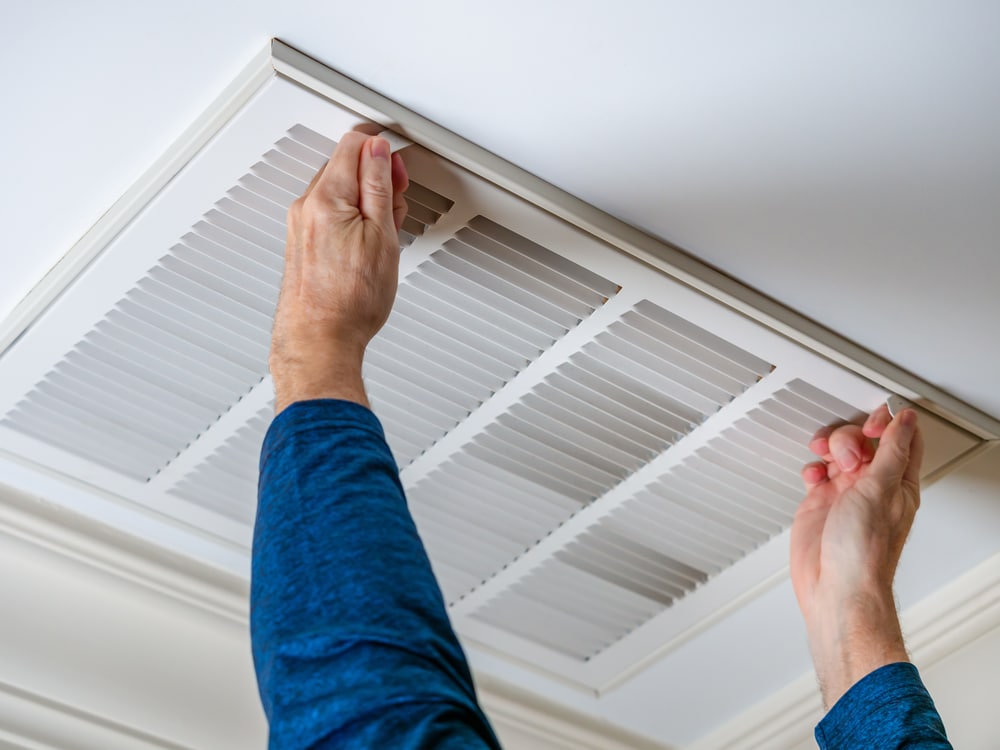
How Air Duct Cleaning Works
Cleaning air ducts is a different process, focusing on the network of metal or flexible tubes that distribute air throughout your home. Here’s what a typical service might include:
- Inspection: Technicians check for visible dust, mold, or blockages.
- Access Points: Openings are created in the ductwork for cleaning equipment.
- Agitation: Rotary brushes or air whips loosen debris from duct walls.
- Vacuum Extraction: Powerful vacuums pull contaminants out of the system.
- Component Cleaning: Registers, grilles, and sometimes HVAC coils are cleaned.
- Sealing: Access points are resealed and the system is tested for proper airflow.
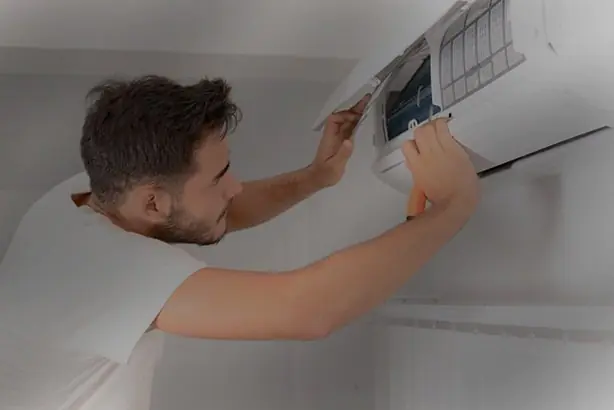
Unlike chimney cleaning, some homeowners may choose to tackle minor duct cleaning themselves, especially vent covers and accessible sections. However, for a thorough job, professional equipment is usually needed.
When and Why to Schedule Each Service
Both chimney and air duct cleaning are important, but the timing and frequency differ based on usage and risk factors:
- Chimney: Should be inspected and cleaned at least once a year, especially before the heating season. If you burn wood frequently, more frequent service may be needed.
- Air Ducts: Generally recommended every 3-5 years, or sooner if you notice excessive dust, recent renovations, or signs of mold or pests.
Neglecting either system can lead to health and safety risks. Chimney fires, carbon monoxide leaks, and poor indoor air quality are all preventable with routine maintenance.
DIY vs Professional Cleaning
Some aspects of both chimney and air duct maintenance can be handled by homeowners, such as cleaning vent covers or checking for visible obstructions. However, thorough cleaning typically requires professional tools and expertise.
- Chimney: Professional sweeps have the training and equipment to safely remove creosote and inspect for hidden damage.
- Air Ducts: While you can vacuum vent covers and accessible ducts, a full cleaning usually involves specialized vacuums and agitation tools.
If you’re interested in more advanced HVAC cleaning, consider learning about how to clean a multi zone HVAC system for larger homes or commercial spaces.
Tips for Maintaining Clean Chimneys and Air Ducts
- Install quality filters in your HVAC system and change them regularly.
- Burn only seasoned wood in fireplaces to reduce creosote buildup.
- Keep the area around vents and registers clear of dust and debris.
- Schedule annual chimney inspections and periodic air duct evaluations.
- Address any signs of mold, pests, or unusual odors promptly.
Proactive maintenance not only improves air quality but can also extend the life of your HVAC and heating systems.
Frequently Asked Questions
How often should I clean my chimney and air ducts?
Chimneys should be cleaned and inspected at least once a year, especially if you use your fireplace regularly. Air ducts typically need cleaning every 3-5 years, but homes with pets, allergies, or recent renovations may require more frequent service.
Can I clean my air ducts or chimney myself?
While you can handle minor tasks like vacuuming vent covers or removing visible debris, thorough cleaning of chimneys and ductwork is best left to professionals. They have the right tools and knowledge to ensure safety and effectiveness.
What are the risks of not cleaning my chimney or air ducts?
Neglecting chimney maintenance can lead to dangerous creosote buildup, increasing the risk of chimney fires and carbon monoxide leaks. Dirty air ducts can reduce HVAC efficiency, worsen allergies, and circulate dust and contaminants throughout your home.
For more information on maintaining your home’s air systems, you might also be interested in learning how to identify dead spots in ductwork and ways to remove charcoal dust from vents after a leak.