Many homeowners wonder if investing in professional duct cleaning can truly help with allergy symptoms. With concerns about indoor air quality on the rise, it’s natural to look for solutions that promise relief from sneezing, itchy eyes, and other allergy-related discomforts. But is air duct cleaning worth it for allergies, or is it just another service with more hype than results?
This article examines what the science says, what experts recommend, and how ductwork maintenance fits into a broader strategy for managing allergens at home. Along the way, you’ll find practical advice, expert-backed facts, and guidance on when duct cleaning makes sense—plus related resources like how to clean an HRV filter for better air quality.
Understanding Allergens in HVAC Systems
Indoor air can contain a range of allergens, including dust mites, pollen, pet dander, mold spores, and even bacteria. Your home’s heating and cooling system circulates air through a network of ducts, which can collect and redistribute these particles if not properly maintained. Over time, dust and debris may accumulate in ductwork, especially if filters are not changed regularly or if there are moisture issues that encourage mold growth.
For those with allergies or asthma, exposure to airborne irritants can trigger symptoms. It’s understandable to consider whether cleaning the ductwork could reduce allergen levels and improve comfort. However, the effectiveness of this approach depends on several factors, including the condition of your ducts, the type of contaminants present, and your overall home maintenance routine.
Does Duct Cleaning Reduce Allergens?
One of the most common questions is whether professional duct cleaning can make a measurable difference for allergy sufferers. According to the U.S. Environmental Protection Agency’s guidance on duct cleaning, there is currently no conclusive evidence that routine duct cleaning prevents health problems or significantly reduces allergen levels for most homes. However, there are exceptions where cleaning is recommended:
- Visible mold growth inside ducts or on HVAC components
- Infestations of rodents or insects in the ductwork
- Excessive dust or debris that is being released into the home from supply registers
In these cases, cleaning can help remove sources of allergens and improve air quality. For the average home without these issues, the impact may be limited. Still, for people with severe allergies or respiratory conditions, even a small reduction in airborne irritants can be beneficial.
When Is Air Duct Cleaning Worth It for Allergy Relief?
There are situations where investing in duct cleaning can be justified, especially for those sensitive to airborne allergens. Consider scheduling a cleaning if:
- You notice visible mold or musty odors coming from vents
- There has been recent water damage or flooding affecting the HVAC system
- Renovation work has created excess dust or debris in the home
- Family members experience unexplained allergy flare-ups at home
In these scenarios, a professional cleaning can remove contaminants and help restore healthier air circulation. It’s important to choose a reputable service provider who follows industry standards, such as those set by the National Air Duct Cleaners Association (NADCA).
For ongoing maintenance, changing HVAC filters regularly and keeping the home clean are often more effective at controlling allergens than duct cleaning alone. You may also want to learn about how to identify dead spots in ductwork to ensure your system is circulating air efficiently.
What to Expect During a Professional Duct Cleaning
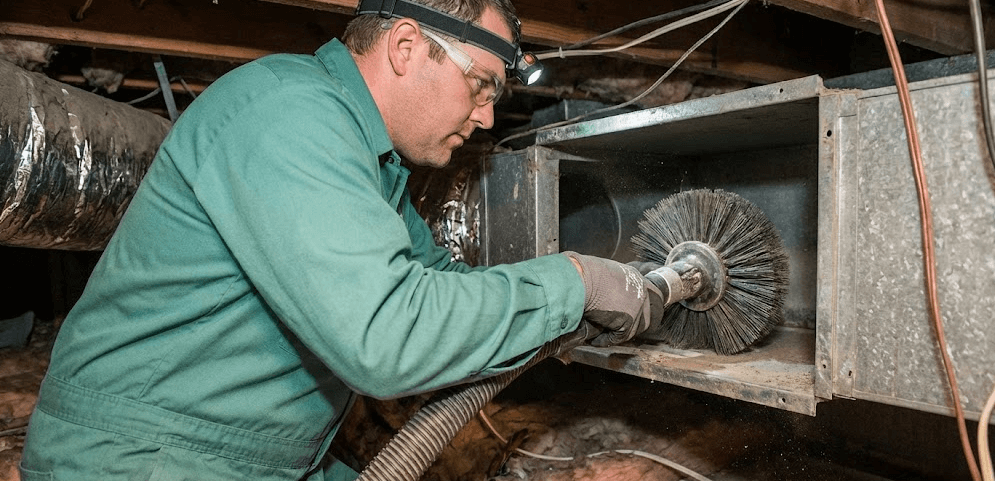
If you decide to move forward, understanding the process helps set realistic expectations. A thorough duct cleaning typically includes:
- Inspection of the entire HVAC system, including ducts, coils, and blower motor
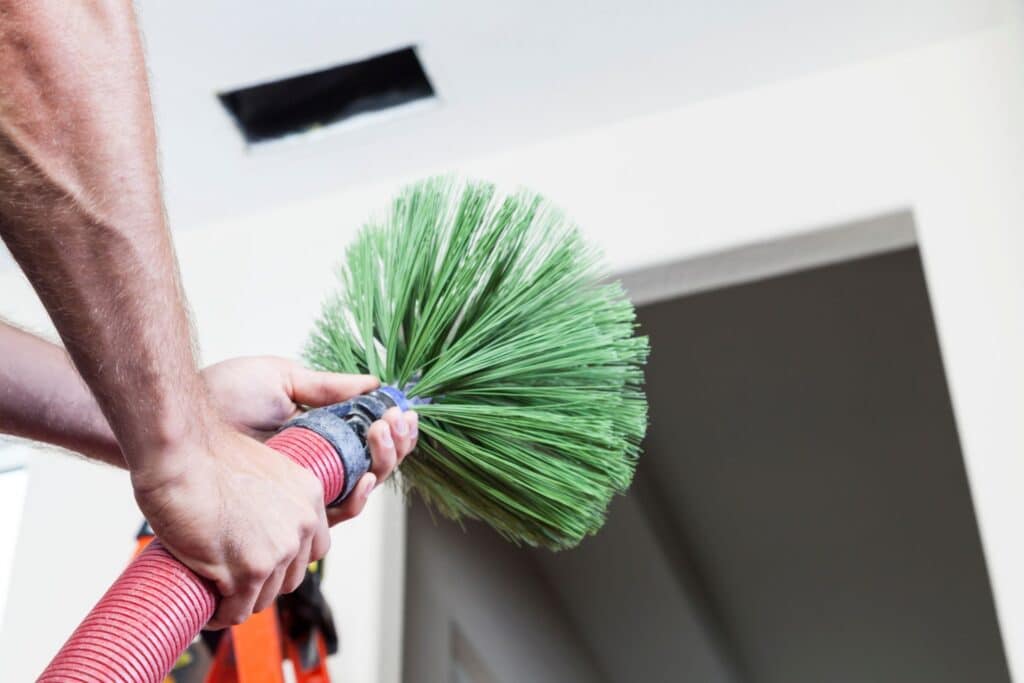
- Use of specialized vacuums and brushes to dislodge and remove debris
- Cleaning of supply and return registers, grilles, and diffusers
- Optional application of antimicrobial treatments if mold is present
The process can take several hours, depending on the size of your home and the complexity of the system. After cleaning, you may notice less dust settling on surfaces and improved airflow, but allergy relief will depend on the overall reduction of airborne irritants.

Other Strategies for Managing Allergies at Home
While duct cleaning can play a role in reducing indoor allergens, it should be part of a broader approach. Here are additional steps to consider:
- Use high-efficiency filters: Upgrade to HEPA or electrostatic filters in your HVAC system to trap smaller particles.
- Control humidity: Keep indoor humidity below 50% to discourage mold and dust mites.
- Clean regularly: Vacuum with a HEPA-filtered vacuum and dust surfaces with damp cloths to prevent particles from becoming airborne.
- Maintain HVAC equipment: Schedule annual inspections and learn how to clean a multi zone HVAC system for optimal performance.
- Address leaks and moisture: Fix plumbing leaks and ensure good ventilation in bathrooms and kitchens.
For homes with persistent allergy issues, portable air cleaners with HEPA filters can further reduce airborne irritants in bedrooms and living areas.
Expert Opinions and Research on Duct Cleaning for Allergies
Multiple studies and expert reviews have found that while duct cleaning can remove dust and debris, its impact on allergy symptoms is often modest unless there is a specific contamination issue. The EPA and American Lung Association both recommend focusing on source control (removing allergens at their origin) and ventilation improvements as primary strategies.
However, if your ducts are contaminated or if you have recently completed renovations, cleaning may help reduce the overall allergen load. It’s also worth noting that some individuals are more sensitive to airborne particles than others, so personal experience may vary.
Frequently Asked Questions
How often should air ducts be cleaned for allergy prevention?
For most homes, duct cleaning is not needed on a regular schedule. It is generally recommended only when there is visible mold, a pest infestation, or excessive dust being released into the home. Routine filter changes and regular cleaning of living spaces are more effective for ongoing allergy prevention.
Can duct cleaning help with pet allergies?
Pet dander can accumulate in ductwork over time. Cleaning ducts may temporarily reduce airborne pet allergens, but controlling pet dander at the source—through regular grooming and cleaning—is more effective. Using HEPA filters and air purifiers can also help manage pet-related allergies.
Is duct cleaning safe for people with asthma?
When performed by qualified professionals, duct cleaning is generally safe. However, those with asthma or severe allergies should leave the home during the process, as cleaning can temporarily increase airborne dust. After cleaning, improved airflow and reduced irritants may benefit sensitive individuals.
Conclusion: Should You Invest in Duct Cleaning for Allergies?
Ultimately, the decision comes down to your home’s specific conditions and your family’s sensitivity to allergens. While duct cleaning can help in certain situations—such as after water damage, renovations, or when mold is present—it is not a guaranteed solution for allergy relief in every case. Combining duct maintenance with other proven strategies, like using HEPA filters and keeping your home clean, provides the best results for managing indoor allergens.
If you’re interested in learning more about related maintenance, check out guides on how to remove charcoal dust from vents or how to check for dust in a heat pump for additional tips on keeping your air as clean as possible.