Cooking at home often leads to the buildup of greasy residues on kitchen surfaces, especially around vents and walls close to stovetops. Over time, these oily deposits can attract dust, promote unpleasant odors, and even impact the efficiency of your ventilation system. Understanding how to remove cooking oils from nearby vents and adjacent surfaces is essential for maintaining a clean, healthy kitchen environment.
In this guide, you’ll find practical techniques for tackling stubborn grease, tips for preventing future buildup, and insights into why regular cleaning is crucial for both hygiene and indoor air quality. If you’re also interested in related maintenance, you may want to check out how to clean an HRV filter for additional air system care tips.
Why Grease Accumulates on Vents and Walls
When you cook with oils, tiny droplets become airborne and settle on the nearest surfaces. Vents, especially those above or near stovetops, are prime targets for this greasy mist. Over time, these deposits mix with dust and other particles, forming a sticky layer that’s tough to remove with ordinary cleaning methods. Walls adjacent to cooking areas are also prone to splatters and airborne residue, particularly if you frequently fry or sauté foods.
Ignoring this buildup can lead to:
- Reduced airflow and efficiency in your ventilation system
- Persistent kitchen odors
- Potential fire hazards due to flammable grease
- Staining and long-term damage to painted or tiled surfaces
Essential Supplies for Cleaning Greasy Vents and Walls
Before starting, gather the following items to make the process smoother and more effective:
- Degreasing cleaner (commercial or homemade with vinegar and dish soap)
- Warm water
- Microfiber cloths or non-abrasive sponges
- Soft-bristled brush or old toothbrush
- Baking soda (for stubborn spots)
- Rubber gloves
- Screwdriver (for vent cover removal, if needed)
Having the right tools on hand will help you efficiently address both light and heavy grease buildup.
Step-by-Step Guide: Cleaning Cooking Oil From Vents
Properly cleaning vents requires a careful approach to avoid damaging the covers or pushing grease further into the ductwork. Here’s how to remove cooking oils from nearby vents safely and thoroughly:
- Turn Off the Ventilation System: Always switch off your range hood or HVAC system before cleaning to prevent dust and debris from circulating.
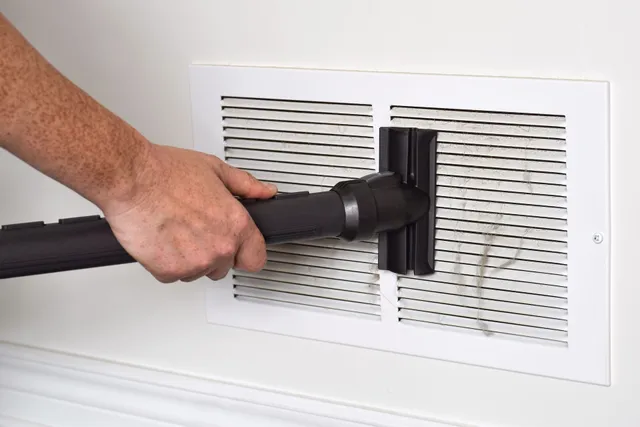
- Remove the Vent Cover: If possible, unscrew or unclip the vent cover. This allows for deeper cleaning and prevents pushing grease into the duct.
- Soak and Scrub: Place the cover in a sink filled with hot, soapy water. Add a splash of vinegar or a few drops of degreasing dish soap. Let it soak for 10–15 minutes, then scrub with a soft brush to lift away oily residue.
- Wipe the Duct Opening: Use a damp microfiber cloth with a degreasing solution to gently clean the area around the vent opening. Avoid using excessive water inside the duct.
- Rinse and Dry: Rinse the vent cover thoroughly and allow it to dry completely before reinstalling.
Removing Grease From Kitchen Walls Near Vents
Walls near cooking zones often accumulate a film of oil that can attract dust and discolor paint or tile. Here’s how to tackle this problem:
- Test a Small Area: Before applying any cleaner, test it on a hidden spot to ensure it won’t damage the finish.
- Apply Degreaser: Spray a degreasing cleaner or a mixture of equal parts vinegar and water onto the affected area. Let it sit for a few minutes to break down the grease.
- Wipe and Rinse: Use a microfiber cloth or sponge to gently scrub the wall. For stubborn spots, sprinkle a little baking soda onto the sponge for extra scrubbing power.
- Dry Thoroughly: Wipe the cleaned area with a damp cloth to remove any residue, then dry with a clean towel.
For tile or glass backsplashes, a similar method works well. Painted surfaces may require a gentler touch to avoid removing paint along with the grease.
Deep Cleaning and Maintenance Tips for Persistent Grease
Sometimes, regular cleaning isn’t enough, especially if oil buildup has been neglected for a while. Here are some advanced tips for persistent or recurring grease issues:
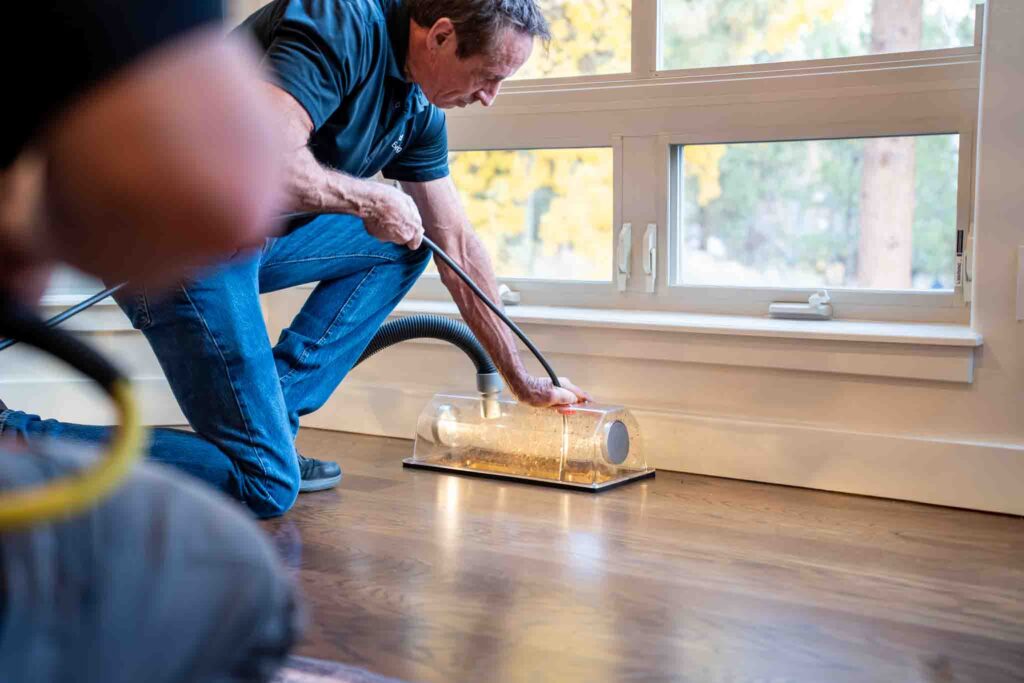
- Use a HEPA Air Scrubber: Devices like HEPA air scrubbers can help capture airborne oil particles before they settle, keeping vents and walls cleaner for longer.
- Schedule Professional Duct Cleaning: If you notice reduced airflow or lingering odors, it may be time to have your ducts professionally cleaned. The EPA offers guidance on when to consider air duct cleaning.
- Upgrade Your Range Hood Filter: Regularly replace or wash filters to improve grease capture and reduce buildup on surrounding surfaces.
- Wipe Down After Cooking: Make it a habit to quickly wipe nearby walls and vent covers after preparing oily foods. This prevents grease from hardening and becoming more difficult to remove.
Preventing Future Oil Buildup on Vents and Walls
Prevention is key to reducing the time and effort needed for cleaning. Here are some straightforward strategies:
- Cook With Lids On: Cover pans when frying or sautéing to minimize oil splatter.
- Maintain Ventilation: Always use your range hood or exhaust fan while cooking, and ensure filters are clean and functioning.
- Regular Spot Cleaning: Wipe down surfaces near the stove after each use, especially after preparing oily dishes.
- Choose the Right Paint: In high-splatter areas, use washable or semi-gloss paint finishes for easier cleaning.
Staying proactive with these habits will help keep your kitchen looking fresh and your ventilation system operating efficiently.
Related Maintenance for Cleaner Air and Surfaces
Keeping vents and walls free of grease is just one aspect of a healthy kitchen. For more comprehensive air system care, consider learning about how to clean a multi zone HVAC system or how to identify dead spots in ductwork. Regular maintenance not only improves air quality but can also extend the life of your appliances and reduce energy costs.
Frequently Asked Questions
What is the safest way to clean greasy vent covers?
The safest method is to remove the vent cover and soak it in hot, soapy water with a bit of vinegar or degreasing dish soap. Scrub gently with a soft brush to avoid scratching the surface, then rinse and dry thoroughly before reinstalling.
How often should I clean vents and nearby walls in my kitchen?
For best results, wipe down vent covers and walls weekly, especially if you cook with oil frequently. Deep clean vent covers and filters at least once a month, or more often if you notice visible buildup or odors.
Can I use baking soda to remove stubborn grease from walls?
Yes, baking soda is a gentle abrasive that can help lift stubborn grease. Sprinkle a small amount on a damp sponge and gently scrub the affected area, then wipe clean with a damp cloth.
Is professional duct cleaning necessary if I keep my vents clean?
While regular surface cleaning helps, professional duct cleaning may still be necessary if you notice persistent odors, reduced airflow, or visible buildup inside the ducts. Refer to the EPA’s duct cleaning advice for more information.