Maintaining clean and efficient air ducts is essential for healthy indoor air quality, especially in homes and commercial buildings. One of the most effective techniques used by professionals is the negative air pressure cleaning method. This approach is widely recognized for its ability to thoroughly remove dust, debris, and contaminants from ductwork, ensuring a safer and more comfortable environment for occupants.
In this article, we’ll break down how this advanced cleaning process works, its benefits, and why it’s often preferred over other methods. If you’re curious about what to expect during a service visit, you can learn more about what happens during a professional duct cleaning for additional context.
How the Negative Air Pressure Process Works
The negative air pressure method is a specialized technique designed to extract contaminants from air ducts using powerful vacuums and controlled airflow. Here’s a step-by-step overview of how the process typically unfolds:
- System Preparation: Technicians seal off all supply and return registers to isolate the ductwork and prevent dust from escaping into the living space.
- Equipment Setup: A high-powered vacuum, often equipped with HEPA filtration, is connected to the main trunk line of the duct system. This vacuum creates a strong negative pressure throughout the ducts.
- Agitation: Specialized tools such as rotary brushes, air whips, or compressed air nozzles are inserted into the vents to dislodge stubborn debris and contaminants from the duct walls.
- Extraction: The loosened particles are drawn out by the vacuum, which continuously pulls air and debris through the ductwork and into a sealed containment unit.
- Final Inspection: After cleaning, technicians inspect the system to ensure all contaminants have been removed and the ducts are clean.
This method is highly effective because it prevents contaminants from re-entering the indoor environment, unlike some less advanced cleaning techniques.
Key Advantages of Using Negative Air Pressure for Duct Cleaning
Adopting this advanced cleaning approach offers several important benefits:
- Comprehensive Contaminant Removal: The strong suction generated by negative air machines ensures that dust, mold spores, pollen, and other pollutants are efficiently removed from the entire duct system.
- Improved Indoor Air Quality: By extracting allergens and irritants, this process helps create a healthier living or working environment, which is especially valuable for individuals with allergies or respiratory conditions.
- Energy Efficiency: Clean ducts allow HVAC systems to operate more efficiently, potentially reducing energy consumption and extending equipment lifespan.
- Minimized Cross-Contamination: The sealed and controlled process prevents dust and debris from spreading to other areas of the property during cleaning.
For more on how dust buildup can impact your home, see our article on the impact of dusty ducts on indoor air quality.
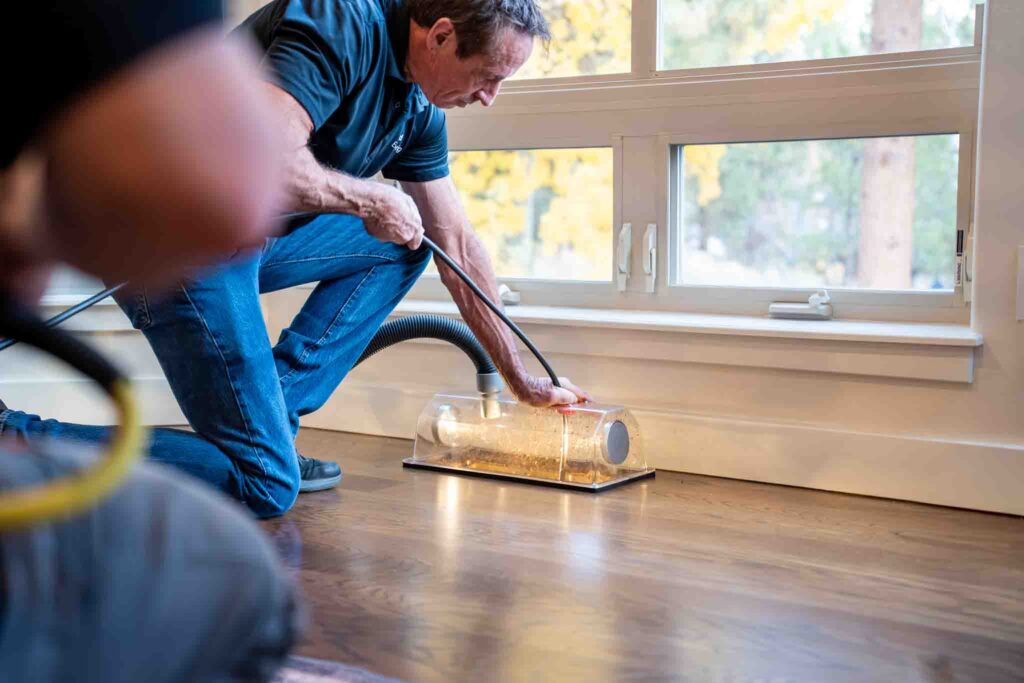
When Should You Choose This Cleaning Approach?
Not every property requires frequent duct cleaning, but certain signs indicate it’s time to consider the negative air pressure method:
- Visible dust or debris coming from vents
- Unexplained allergy symptoms or respiratory issues among occupants
- Mold growth inside ducts or on HVAC components
- Recent renovations or construction work that generated dust
- Unpleasant odors circulating through the HVAC system
To determine the right cleaning schedule for your home or business, review our guide on how often should air ducts be cleaned.
Equipment Used in Negative Air Duct Cleaning
The effectiveness of this cleaning process depends heavily on the quality of the equipment used. Here are some of the main tools and machines involved:
- Negative Air Machines: These powerful vacuums create the necessary suction to pull contaminants from the ductwork. Many models feature HEPA filters to trap microscopic particles.
- Agitation Devices: Rotary brushes, air whips, and compressed air tools are used to loosen debris from duct surfaces.
- Sealing Materials: Temporary covers or foam blocks are used to seal vents and registers during the cleaning process.
- Inspection Cameras: Technicians may use cameras to inspect ducts before and after cleaning, ensuring thorough results.

Comparing Negative Air Pressure to Other Cleaning Techniques
While there are several ways to clean air ducts, not all methods deliver the same results. Here’s how this approach compares to other common techniques:
| Method | Effectiveness | Containment | Typical Use |
|---|---|---|---|
| Negative Air Pressure | High | Excellent | Professional, whole-system cleaning |
| Portable Vacuum | Moderate | Limited | Spot cleaning, small jobs |
| Manual Brushing | Variable | Poor | DIY or supplemental cleaning |
The negative air pressure method stands out for its ability to clean the entire duct system while minimizing the risk of cross-contamination. For those considering a do-it-yourself approach, it’s important to understand the tools needed for DIY duct cleaning and the limitations of non-professional equipment.
Best Practices and Safety Considerations
When hiring a professional or attempting duct cleaning yourself, keep these best practices in mind:
- Choose Certified Professionals: Look for technicians certified by reputable organizations to ensure proper procedures and safety standards.
- Verify Equipment: Confirm that the service provider uses true negative air machines with HEPA filtration.
- Ask About Inspection: Request before-and-after photos or video inspections to verify the quality of the cleaning.
- Follow EPA Guidelines: For more information, consult the EPA’s recommendations on air duct cleaning.
If you’re interested in tackling basic maintenance, our step-by-step DIY guide can help you get started safely and effectively.
Frequently Asked Questions
What makes the negative air pressure process more effective than standard vacuuming?
This method uses powerful vacuums to create a controlled environment inside the ductwork, ensuring that dust and debris are drawn out completely rather than simply being loosened or partially removed. The sealed system and HEPA filtration also prevent contaminants from escaping into the indoor air.
How often should air ducts be cleaned using this technique?
The frequency depends on factors like building age, presence of pets, recent renovations, and indoor air quality concerns. Generally, experts recommend professional cleaning every 3–5 years, but more frequent service may be needed in certain situations. For detailed guidance, refer to our article on recommended cleaning intervals.
Can homeowners use this method themselves?
While some DIY tools are available, achieving true negative air pressure and thorough cleaning typically requires commercial-grade equipment and professional expertise. Homeowners can perform basic maintenance, but deep cleaning is best left to certified technicians.
Does this process help with mold or odors?
Yes, the strong suction and agitation tools can remove mold spores and odor-causing debris from ducts. However, if mold growth is extensive, additional remediation may be necessary.
In summary, the negative air pressure cleaning method is a proven, efficient way to maintain cleaner air ducts and healthier indoor environments. By understanding how it works and when to use it, property owners can make informed decisions about their HVAC maintenance and enjoy the benefits of improved air quality.