Indoor air quality is a crucial factor in maintaining a healthy living or working environment. When heating, ventilation, and air conditioning (HVAC) systems are neglected, contaminants can accumulate in the ductwork, leading to a range of health complaints among occupants. This phenomenon is often linked to what is known as symptoms of sick building syndrome from ducts. Understanding the warning signs and underlying causes can help property owners and facility managers take proactive steps to ensure cleaner, safer air indoors.
In this article, we’ll break down the most common indicators of building-related illness caused by unclean air ducts, explore how dirty ductwork contributes to these problems, and offer practical advice for prevention and remediation. For those interested in a deeper dive into the science behind air quality, you may also want to read about the impact of dusty ducts on indoor air quality.
Recognizing Health Effects Linked to Contaminated Ducts
The term “sick building syndrome” (SBS) describes a situation where building occupants experience acute health or comfort issues that seem connected to time spent inside a particular structure. When the root cause is dirty ductwork, the symptoms can be especially pronounced and may affect multiple people in the same space. Here are some of the most frequently reported health complaints:
- Respiratory irritation: Coughing, sneezing, and throat discomfort are common, especially in buildings with visible dust or mold in the vents.
- Headaches and fatigue: Poor air quality can lead to persistent headaches, tiredness, and difficulty concentrating.
- Allergy-like symptoms: Itchy eyes, runny nose, and skin rashes may develop or worsen when exposed to airborne contaminants from ducts.
- Worsening asthma or respiratory conditions: Individuals with pre-existing conditions may notice increased symptoms or more frequent attacks.
- Unpleasant odors: Musty or stale smells often signal microbial growth or debris buildup in the ventilation system.
These issues often subside when individuals leave the affected building, further pointing to environmental factors as the culprit. If you notice a pattern of symptoms among occupants, it’s time to investigate the HVAC system as a potential source.
How Dirty Ductwork Contributes to Sick Building Syndrome
Air ducts are responsible for circulating conditioned air throughout a building. Over time, dust, pollen, mold spores, and other particles can accumulate inside these passages, especially if filters are not changed regularly or if the system is not maintained. When the HVAC system operates, it can distribute these contaminants into occupied spaces, triggering symptoms of sick building syndrome from ducts in sensitive individuals.
Common contributors to duct contamination include:
- Moisture intrusion: Leaks or condensation can create a breeding ground for mold and bacteria.
- Neglected filter changes: Dirty or clogged filters allow more particles to settle in the ductwork.
- Poorly sealed ducts: Gaps and cracks can draw in dust, insulation fibers, and even pests.
- Renovation debris: Construction dust and materials can linger in the system long after work is completed.
If you’re curious about what happens during a thorough cleaning, check out what happens during a professional duct cleaning for a step-by-step overview.
Common Signs Your Ducts May Be Affecting Indoor Air Quality
Spotting the warning signs early can help prevent more serious health issues and costly repairs. Here are some clues that your ventilation system may be contributing to building-related illness:
- Visible dust around vents: If you notice dust collecting on registers or being blown out when the system runs, it’s a sign of buildup inside.
- Frequent filter changes needed: Filters that clog quickly may indicate excessive debris in the ductwork.
- Mold growth or water stains: Any sign of moisture or mold in or around the vents should be addressed immediately.
- Unexplained odors: Persistent musty or chemical smells can point to microbial growth or trapped pollutants.
- Increased allergy or asthma complaints: A spike in symptoms among building occupants is a red flag for poor air quality.
For more information on how often to schedule maintenance, see the expert advice in how often should air ducts be cleaned.
Reducing Health Risks: Cleaning and Prevention Strategies
Addressing symptoms of sick building syndrome from ducts starts with a comprehensive approach to HVAC hygiene. Here are practical steps to improve air quality and protect occupant health:
- Schedule regular inspections: Have a professional assess your ductwork for dust, mold, and leaks at least once a year.
- Change filters consistently: Use high-quality filters and replace them according to manufacturer recommendations.
- Seal and insulate ducts: Properly sealed ducts reduce the risk of contamination and improve energy efficiency.
- Control humidity: Keep indoor humidity below 60% to prevent mold growth inside the system.
- Consider air purification: Devices like HEPA air scrubbers can help remove fine particles and allergens from circulated air.
If you’re interested in tackling some maintenance tasks yourself, you can follow a step-by-step DIY guide for air duct cleaning or learn about the essential tools needed for DIY duct cleaning.
DIY and Professional Solutions for Cleaner Ducts
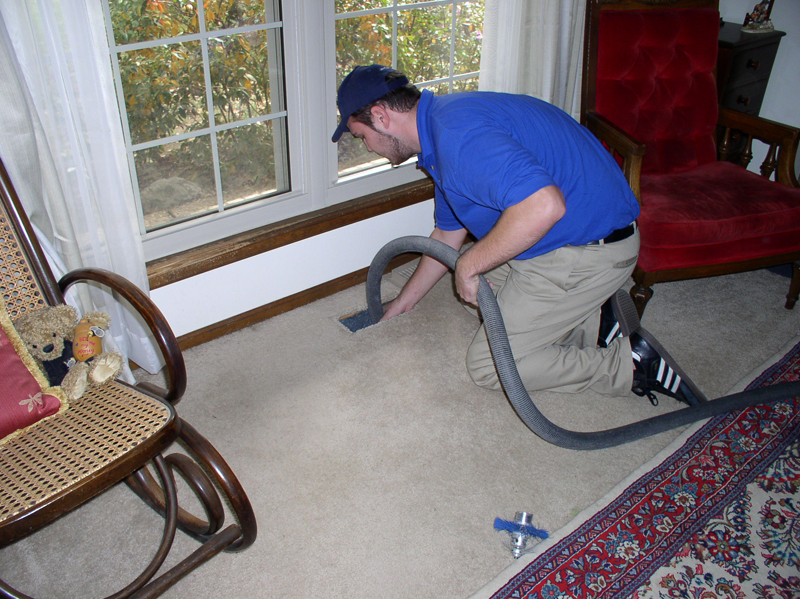
While some basic duct cleaning tasks can be performed by homeowners, such as vacuuming vent covers and replacing filters, a thorough cleaning often requires specialized equipment and expertise. For those considering a do-it-yourself approach, it’s important to use the right tools and follow safe procedures. A helpful resource is this guide to DIY duct cleaning which outlines best practices and safety tips.
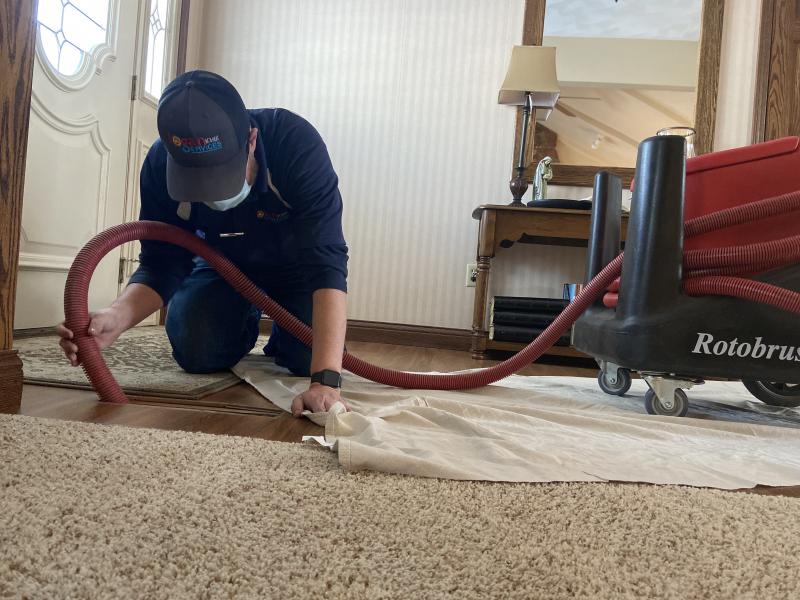
However, if you notice persistent health complaints, visible mold, or heavy debris, it’s best to hire a qualified technician. Professional services can access hard-to-reach areas, use HEPA-filtered vacuums, and apply antimicrobial treatments when necessary.
FAQ: Addressing Common Concerns About Duct-Related Illness
What are the most common symptoms linked to dirty air ducts?
The most frequently reported issues include coughing, sneezing, headaches, fatigue, itchy eyes, and worsening of asthma or allergies. These symptoms often improve when individuals leave the affected building.
How often should ductwork be cleaned to prevent health problems?
Most experts recommend a professional cleaning every 3 to 5 years, but more frequent service may be needed in buildings with pets, smokers, or a history of water damage. Regular filter changes and inspections are also essential.
Can air purifiers help reduce sick building syndrome symptoms?
Yes, using a HEPA air purifier or scrubber can significantly reduce airborne particles and allergens, providing relief for sensitive individuals. However, purifiers should complement—not replace—proper duct maintenance and cleaning.
Is it safe to clean air ducts myself?
Homeowners can perform basic cleaning, such as dusting vents and changing filters. For deep cleaning, especially when mold or heavy buildup is present, professional help is recommended to ensure thorough and safe results.
Conclusion
Unclean ductwork is a significant contributor to symptoms of sick building syndrome from ducts, affecting the health and comfort of building occupants. By staying alert to warning signs, scheduling regular maintenance, and using effective air purification strategies, you can create a healthier indoor environment for everyone. If you suspect your building’s air quality is compromised, don’t hesitate to consult with a professional and take action to address the root cause.