Keeping your HVAC system’s insulated ductwork clean is essential for maintaining healthy indoor air and ensuring efficient airflow throughout your home or business. Over time, dust, debris, and even mold can accumulate inside ducts, especially those lined with insulation. However, cleaning these specialized ducts requires extra care to avoid damaging the insulation or releasing contaminants into the air. This guide will walk you through safe, effective methods for tackling this important maintenance task, highlighting the precautions and best practices that set insulated duct cleaning apart from standard ductwork.
If you’re curious about the broader impact of neglected ducts, you may want to learn more about the impact of dusty ducts on indoor air quality and how regular maintenance can benefit your living environment.
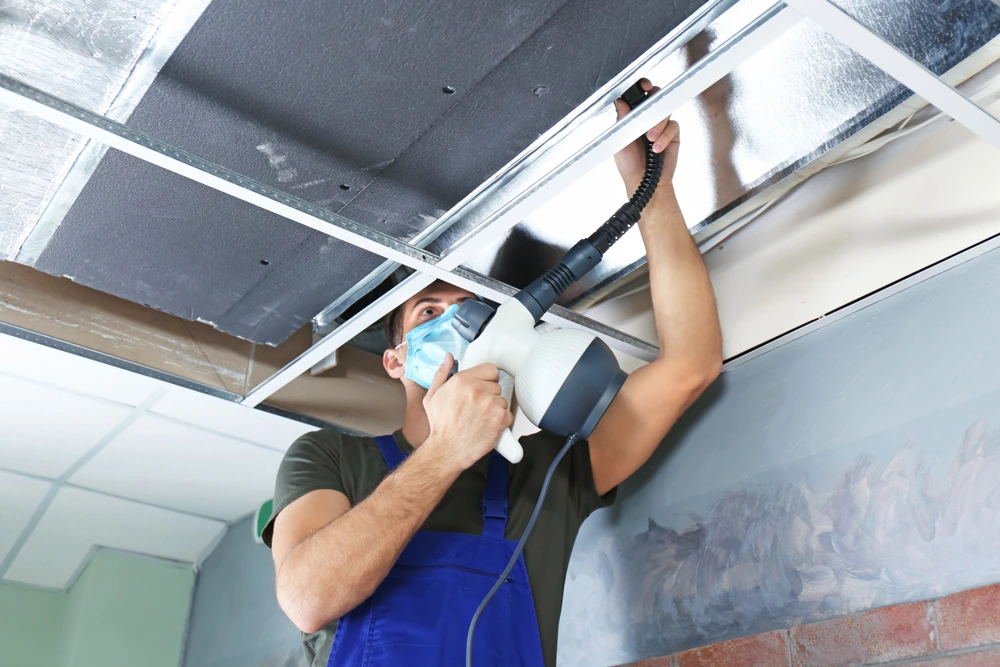
Understanding Insulated Ductwork and Its Cleaning Challenges
Insulated ductwork is designed to reduce heat loss, prevent condensation, and improve energy efficiency. The insulation may be internal (lining the inside of the duct) or external (wrapped around the outside). Internal insulation, often made of fiberglass or similar materials, is especially vulnerable to damage during cleaning. If not handled properly, cleaning tools or harsh chemicals can tear, compress, or dislodge the insulation, reducing its effectiveness and potentially releasing fibers into the air.
Because of these risks, it’s important to use safe cleaning techniques and the right tools when working with insulated ducts. This not only protects your HVAC system but also helps maintain indoor air quality and extends the life of your ductwork.
Essential Tools and Safety Precautions for Cleaning Insulated Ducts
Before you begin, gather the necessary equipment and take steps to protect yourself and your home. For a comprehensive overview of what you’ll need, see the guide on tools needed for DIY duct cleaning. Here are the basics for insulated ductwork:
- Vacuum with a HEPA filter (preferably a duct-specific model)
- Soft-bristled brushes (avoid stiff or wire brushes)
- Microfiber cloths
- Personal protective equipment: gloves, N95 mask or respirator, and safety goggles
- Access panels or service doors (if available)
- Optional: HEPA air scrubber to capture airborne particles during cleaning
Always turn off your HVAC system before starting. Seal supply and return registers in rooms you’re not working on to prevent dust from spreading. If you suspect mold or heavy contamination, consider consulting a professional, as improper cleaning can worsen air quality issues.
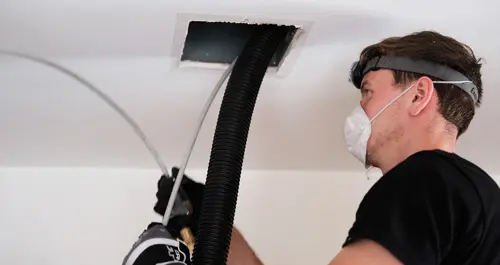
Step-by-Step Process for Cleaning Lined Ducts Safely
The process for cleaning insulated ductwork focuses on minimizing disturbance to the insulation while removing dust and debris. Here’s a practical approach:
- Inspect the Ducts: Use a flashlight to check for visible dirt, mold, or damage. If you see water stains, heavy mold, or deteriorated insulation, professional remediation may be needed.
- Vacuum Carefully: Attach a soft brush to your HEPA vacuum. Gently vacuum the surface of the insulation, avoiding aggressive scrubbing. Do not use high-pressure air, as this can dislodge fibers.
- Spot Clean as Needed: For stubborn debris, lightly wipe with a damp microfiber cloth. Avoid soaking the insulation, as moisture can promote mold growth.
- Check for Mold: If you notice musty odors or visible mold, stop and consult a specialist. Attempting to clean moldy insulation without proper containment can spread spores.
- Seal and Restore: Once clean, ensure all access panels are securely closed. If you had to remove or disturb insulation, repair or replace it to maintain efficiency.
For a more general overview of DIY duct cleaning, including non-insulated ducts, you can refer to this step-by-step guide.
When to Call a Professional for Insulated Duct Cleaning
While many homeowners can handle light maintenance, certain situations call for expert help. If your ducts show signs of extensive mold, pest infestation, or insulation breakdown, professional cleaning is the safest option. Trained technicians use specialized equipment and containment methods to protect both the ductwork and your indoor air.
Curious about what to expect from a service visit? Learn more about what happens during a professional duct cleaning so you can make an informed decision.
Best Practices for Maintaining Clean Insulated Ducts
Regular maintenance is key to keeping your insulated ductwork in optimal condition. Here are some tips to help you extend the time between deep cleanings and preserve the integrity of your system:
- Change HVAC filters every 1–3 months, or as recommended by the manufacturer.
- Keep supply and return registers clean and unobstructed.
- Address water leaks or condensation promptly to prevent mold growth.
- Schedule professional inspections every few years, especially if you notice changes in air quality or system performance.
- Consider using a HEPA air scrubber during cleaning or renovation projects to capture airborne dust.
For more details on maintenance intervals, see the expert advice on how often should air ducts be cleaned.
DIY vs. Professional Cleaning: Making the Right Choice
Deciding whether to tackle insulated duct cleaning yourself or hire a professional depends on several factors. DIY cleaning can be effective for light dust and debris, provided you use gentle methods and proper safety gear. However, if you encounter mold, pests, or damaged insulation, professional intervention is strongly recommended.
For those interested in learning more about self-cleaning, this detailed guide to cleaning heating and air conditioning ducts offers practical tips and safety considerations.
Frequently Asked Questions
Can I use a regular vacuum to clean insulated ductwork?
It’s best to use a vacuum with a HEPA filter to prevent fine dust and insulation fibers from being released into the air. Regular household vacuums may not provide adequate filtration and could even damage the insulation.
How often should insulated ducts be cleaned?
The frequency depends on factors like household dust levels, pets, allergies, and HVAC usage. Generally, a professional inspection every 3–5 years is recommended, with cleaning as needed. For more guidance, see the advice on how often should air ducts be cleaned.
Is it safe to use disinfectants or chemicals inside insulated ducts?
Avoid using harsh chemicals or wet cleaning methods on internal insulation. These can degrade the material and promote mold growth. If disinfection is necessary, consult a professional who can use products approved for HVAC systems and apply them safely.