Understanding what are the components of an air duct system is essential for homeowners, facility managers, and anyone interested in maintaining healthy indoor air quality. A well-designed ductwork network ensures efficient heating, cooling, and ventilation throughout a building. Each part plays a specific role in moving air, filtering contaminants, and maintaining comfort. In this guide, we’ll break down the main elements of a typical air duct system, explain their functions, and offer practical tips for upkeep.
Proper maintenance of these components not only improves energy efficiency but also helps prevent issues like dust buildup, uneven temperatures, and even health problems associated with poor air quality. If you’re looking to go deeper into duct cleaning and maintenance, you may also find it helpful to learn about the how to clean insulated ductwork safely for additional insight.
Main Elements of a Residential Ductwork Network
Every forced-air HVAC system relies on a network of interconnected parts. Here’s a closer look at the core sections that make up most residential and commercial air duct layouts:
- Supply Ducts: These channels deliver conditioned air from the HVAC unit into rooms and living spaces.
- Return Ducts: These bring air back from the rooms to the HVAC system for reconditioning.
- Air Handler/Blower: The mechanical component that moves air through the ductwork.
- Registers and Grilles: Vents that control the flow and direction of air entering or leaving rooms.
- Dampers: Adjustable plates that regulate airflow within the ducts.
- Filters: Devices that trap dust, pollen, and other airborne particles before air circulates through the system.
- Plenums: Central distribution boxes that connect supply and return ducts to the HVAC equipment.
- Insulation: Material wrapped around or inside ducts to reduce heat loss and prevent condensation.
Supply and Return Ducts: The Backbone of Air Circulation
At the heart of any duct system are the supply and return ducts. Supply ducts carry heated or cooled air from the HVAC unit to various rooms. These are often made from sheet metal, fiberglass, or flexible plastic. Their size and layout are carefully designed to ensure even temperature distribution throughout the building.
Return ducts perform the opposite function: they draw air from rooms back to the HVAC unit for filtering and reconditioning. Without a balanced return system, air pressure can become uneven, leading to drafts or inefficient heating and cooling.
Both supply and return ducts must be properly sealed and maintained to prevent leaks, which can waste energy and introduce contaminants into the air. For tips on keeping these ducts clean during renovations, see our advice on ways to keep ducts clean during remodeling.

Registers, Grilles, and Diffusers: Airflow Control Points
Registers and grilles are the visible vents you see on walls, floors, or ceilings. Registers typically have adjustable dampers that let you control the amount and direction of air entering a room. Grilles are usually fixed and are found on return ducts, allowing air to flow back to the HVAC system.
Some systems also use diffusers, which are designed to spread air evenly and reduce drafts. Keeping these components clean and unobstructed is crucial for maintaining good airflow and indoor air quality. For more on how dirty vents can affect health, check out the article on symptoms of sick building syndrome from ducts.
Air Handler and Blower: The Powerhouse of Air Movement
The air handler (sometimes called the furnace or air conditioning unit) contains the blower, which is responsible for pushing air through the duct system. The blower’s power determines how effectively air is distributed, impacting both comfort and energy efficiency. Regular maintenance, such as cleaning the blower and changing filters, helps keep the system running smoothly.
Some advanced systems include variable-speed blowers that adjust airflow based on demand, further improving comfort and reducing energy use.
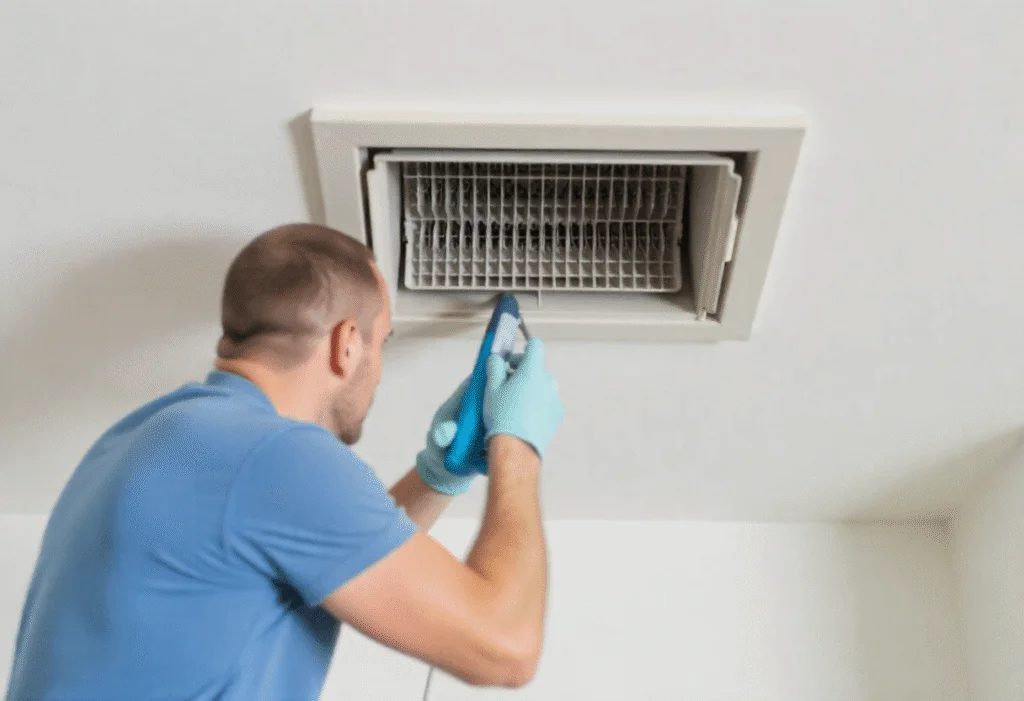
Filters and Air Quality Devices
Air filters are a critical part of any duct system. They trap dust, pollen, pet dander, and other airborne particles before the air is distributed throughout the building. Most systems use disposable fiberglass or pleated filters, but higher-end options like HEPA filters or electronic air cleaners can capture even smaller particles.
Regularly replacing or cleaning filters is essential for maintaining both air quality and system efficiency. Some homeowners also install UV lights or air scrubbers to further reduce contaminants. To learn more about advanced air cleaning, see the article on the role of UV lights in duct cleanliness.
Plenums and Dampers: Managing Air Distribution
Plenums are large boxes that connect the main supply and return ducts to the HVAC unit. The supply plenum distributes conditioned air to various branches, while the return plenum collects air from the building. Properly sized and sealed plenums are crucial for balanced airflow and system efficiency.
Dampers are adjustable plates inside the ductwork that can open or close to control airflow to different zones. Manual dampers are adjusted by hand, while automatic dampers are controlled by thermostats or zoning systems. These components help direct air where it’s needed most and can improve comfort in multi-story homes or buildings with varying heating and cooling needs.
Insulation and Duct Materials
Insulation is often overlooked but plays a vital role in duct performance. Ducts that run through unconditioned spaces, such as attics or crawl spaces, should be insulated to prevent heat loss or gain and reduce the risk of condensation. Common insulation materials include fiberglass wrap or rigid foam boards.
The type of duct material also affects performance. Metal ducts are durable and easy to clean, while flexible ducts are easier to install in tight spaces but may be more prone to damage. Fiberglass-lined ducts offer additional sound dampening but require careful cleaning to avoid releasing fibers into the air.
Maintenance Tips for a Healthy Duct System
Keeping your ductwork in good condition is key to efficient operation and healthy indoor air. Here are some practical tips:
- Inspect and replace air filters every 1–3 months, or as recommended by the manufacturer.
- Seal duct joints and connections with mastic or metal tape to prevent leaks.
- Schedule professional duct cleaning every few years, especially if you notice dust buildup, mold, or musty odors.
- Keep registers and grilles clean and unobstructed by furniture or drapes.
- Consider upgrading to HEPA filters or installing UV lights for enhanced air quality.
For those interested in DIY cleaning, this step-by-step guide to cleaning air ducts yourself offers practical advice and safety tips.
Understanding the components of an air duct system helps you make informed decisions about maintenance, upgrades, and repairs. If you want to learn more about cleaning methods, the article on understanding the negative air pressure method provides additional context on professional cleaning techniques.
Frequently Asked Questions
How often should air ducts be cleaned?
Most experts recommend cleaning air ducts every 3–5 years, or sooner if you notice visible mold, excessive dust, or signs of pests. Regular filter changes and keeping vents clean can reduce the need for frequent duct cleaning.
What are signs of problems in a duct system?
Common indicators include uneven heating or cooling, excessive dust in rooms, musty odors, whistling or rattling noises from vents, and higher energy bills. These may point to leaks, blockages, or dirty components that need attention.
Can upgrading filters improve air quality?
Yes, using higher-efficiency filters such as HEPA or electronic air cleaners can significantly reduce airborne particles and allergens. However, it’s important to ensure your HVAC system is compatible with these filters to avoid restricting airflow.