Keeping your home’s air clean is essential for both comfort and health. Over time, dust can accumulate in your ductwork, circulating allergens and debris throughout your living spaces. While professional cleaning is sometimes necessary, there are several natural ways to reduce dust in ductwork that can help minimize buildup and improve indoor air quality. This article explores practical, eco-friendly strategies for maintaining cleaner ducts and a healthier home environment.
If you’re interested in more targeted cleaning solutions, you might also want to learn about how to clean insulated ductwork safely for a comprehensive approach to duct maintenance.
Why Dust Accumulates in Ducts
Before diving into solutions, it’s helpful to understand why dust collects in ductwork. HVAC systems draw in air from your home, filter it, and redistribute it through vents. If filters are clogged, vents are dirty, or your home has high dust levels, particles can settle inside the ducts. Over time, this buildup can reduce air quality and even impact your system’s efficiency.
1. Regular Filter Maintenance for Cleaner Ducts
One of the most effective natural ways to reduce dust in ductwork is to maintain your HVAC filters. Filters trap dust and debris before they reach the ducts. Check your filters monthly and replace or clean them as recommended by the manufacturer. For those with allergies or pets, consider upgrading to a HEPA filter, which captures smaller particles more efficiently.
- Inspect filters every 30 days.
- Replace disposable filters every 2–3 months, or as needed.
- Wash reusable filters with water and mild soap, then let them dry completely before reinstalling.
2. Sealing Leaks and Gaps to Prevent Dust Entry
Leaky ducts can draw in dust from attics, basements, or crawl spaces. Sealing gaps and joints with mastic sealant or metal tape prevents outside particles from entering your system. This simple step not only keeps your ducts cleaner but also improves energy efficiency by reducing air loss.
- Inspect visible ductwork for holes or disconnected joints.
- Use mastic or foil-backed tape (not standard duct tape) for a long-lasting seal.
- Pay special attention to connections near vents and registers.
3. Natural Cleaning Methods for Duct Interiors
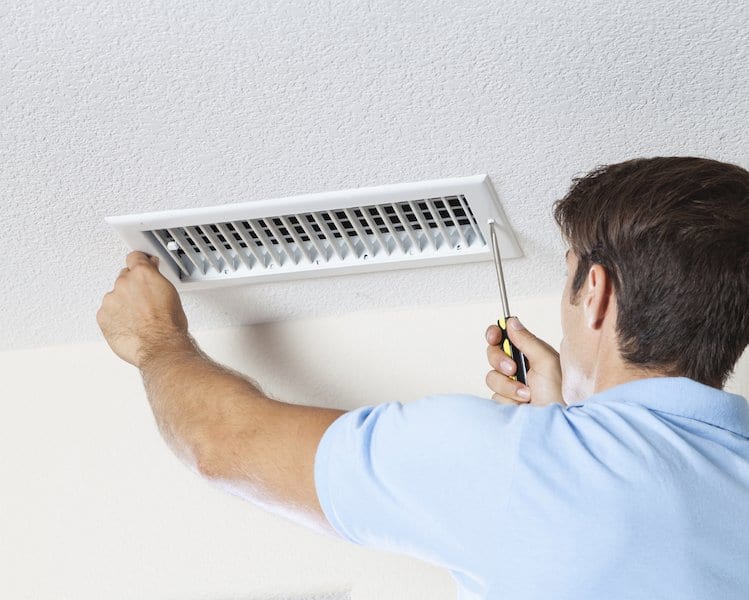
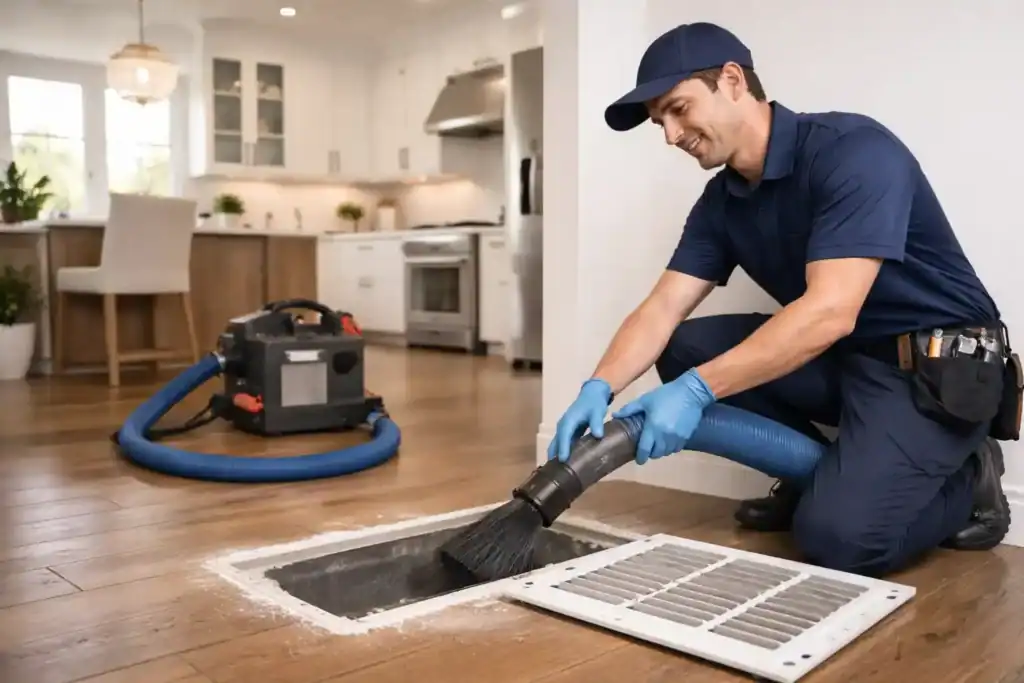
Physical cleaning is another important step in minimizing dust. While professional cleaning may be necessary for severe buildup, you can use natural methods for routine maintenance. Vacuuming accessible ducts with a HEPA-filtered vacuum and wiping vent covers with damp microfiber cloths can help reduce dust without introducing harsh chemicals.
- Remove and wash vent covers regularly.
- Use a vacuum with a hose attachment to reach into ducts.
- For stubborn dust, lightly dampen a cloth with water and wipe the inside edges of the duct opening.
4. Managing Household Dust Sources
Reducing dust at its source is a proactive way to keep your ductwork cleaner. Simple habits and natural cleaning routines can make a significant difference:
- Vacuum floors and carpets with a HEPA-filtered vacuum at least once a week.
- Use doormats at all entrances and ask family members to remove shoes indoors.
- Dust surfaces with damp microfiber cloths to trap particles instead of spreading them.
- Wash bedding, curtains, and pet beds regularly to minimize airborne dust.
If you’re planning renovations, it’s especially important to control dust. For tips on keeping your ducts protected during remodeling, see these ways to keep ducts clean during remodeling.
5. Improving Ventilation and Airflow Naturally
Good airflow helps prevent dust from settling in your ducts. Open windows when weather allows to let in fresh air and dilute indoor pollutants. Use exhaust fans in kitchens and bathrooms to remove moisture and airborne particles. Houseplants can also help filter the air naturally, though they should be kept free of dust themselves.
- Open windows for cross-ventilation when outdoor air quality is good.
- Run ceiling fans to keep air moving and prevent dust buildup.
- Place air-purifying plants, such as spider plants or peace lilies, in living areas.
Additional Tips for Maintaining Dust-Free Ducts
Beyond the five main strategies, there are other steps you can take to keep your ductwork clean naturally:
- Schedule routine HVAC inspections to catch issues early.
- Keep pets groomed to minimize shedding and dander.
- Monitor humidity levels—too much moisture can encourage dust mites and mold.
- Consider using UV lights in your HVAC system to help maintain duct cleanliness. Learn more about the role of UV lights in duct cleanliness.
When to Consider Professional Duct Cleaning
While natural methods are effective for routine maintenance, there are times when professional cleaning is recommended. If you notice persistent dust, visible mold, or a musty odor, it may be time for a deeper clean. For a step-by-step overview of the process, see this guide on how to clean air ducts safely and effectively.
Additionally, if your home experiences symptoms like increased allergies or respiratory issues, dirty ducts could be a contributing factor. For more information, review the symptoms of sick building syndrome from ducts.
FAQ: Natural Duct Dust Reduction
How often should I clean or replace my HVAC filters?
For most homes, filters should be checked every month and replaced or cleaned every 2–3 months. If you have pets, allergies, or live in a dusty area, more frequent changes may be necessary.
Are there any risks to cleaning ducts myself?
Light cleaning, such as vacuuming vent openings and wiping covers, is generally safe. However, deep cleaning inside the ductwork can disturb insulation or spread contaminants if not done properly. For complex systems or severe buildup, it’s best to consult a professional.
Can houseplants really help reduce dust in the air?
Certain houseplants can help filter airborne particles and improve air quality. While they won’t eliminate dust entirely, they can be a helpful addition to your overall dust reduction strategy. Just remember to keep plant leaves clean and free of dust.
What are the benefits of sealing duct leaks?
Sealing leaks prevents dust and debris from entering your ducts from unconditioned spaces. It also improves your HVAC system’s efficiency, which can lower energy bills and extend the lifespan of your equipment.
Is it necessary to use chemical cleaners in my ductwork?
No, it’s not necessary for routine maintenance. Natural cleaning methods, such as vacuuming and wiping with water, are usually sufficient for keeping ducts dust-free. Chemical cleaners should only be used if recommended by a professional for specific issues like mold.
Conclusion
By following these natural ways to reduce dust in ductwork, you can improve your home’s air quality and keep your HVAC system running efficiently. Regular filter changes, sealing leaks, natural cleaning, managing dust sources, and improving ventilation all contribute to a cleaner, healthier living environment. For more advanced techniques, you may also want to explore the negative air pressure cleaning method as part of your long-term maintenance plan.