Homeowners and facility managers are increasingly considering advanced tools to assess the condition of their HVAC systems. Among these, duct camera inspections have gained attention for their ability to provide a clear, inside look at air ducts. But with any service that comes at a cost, it’s important to weigh the investment against the potential advantages. This article explores whether investing in a camera-based duct inspection is justified, examining both the financial and practical aspects.
If you’re also interested in maintaining ductwork, you may want to learn more about how to clean insulated ductwork safely for long-term air quality and system efficiency.
Understanding Duct Camera Inspections
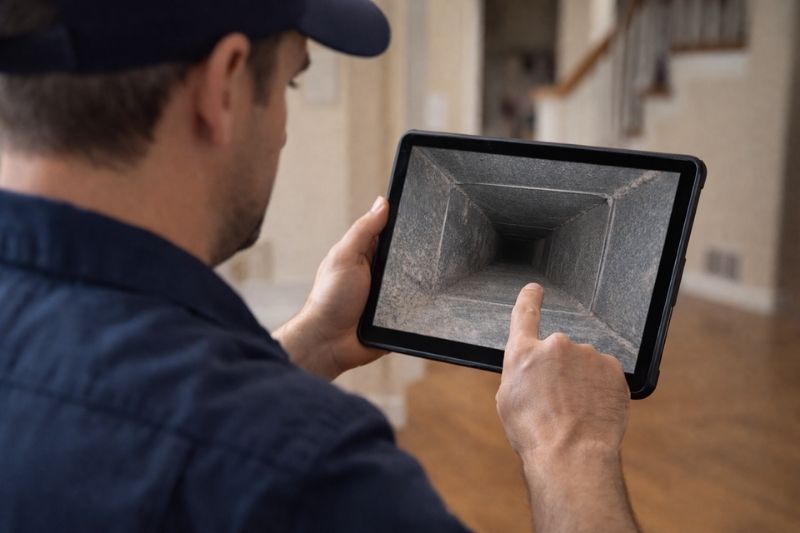
A duct camera inspection involves inserting a small, specialized camera into your HVAC ductwork. This camera transmits real-time video footage to a monitor, allowing technicians—and sometimes homeowners—to see the inside of the ducts. The process is non-invasive and can reveal blockages, dust buildup, mold, pest infestations, and even structural issues that might otherwise go unnoticed.
Unlike traditional inspections, which rely on external observation and educated guesses, a camera-based approach provides direct visual evidence. This clarity helps in making informed decisions about cleaning, repairs, or upgrades.
Key Benefits of Camera-Based Ductwork Assessment
There are several compelling reasons why property owners opt for this technology:
- Accurate Diagnosis: Visual confirmation of issues such as leaks, blockages, or microbial growth eliminates guesswork and unnecessary repairs.
- Improved Air Quality: Identifying sources of dust, allergens, or mold allows for targeted cleaning, which can enhance indoor air quality and reduce health risks.
- Cost Savings: By pinpointing specific problems, you avoid blanket cleaning or repairs, potentially saving money in the long run.
- Documentation: Video or photo evidence can be useful for insurance claims, home sales, or rental agreements, providing proof of duct condition.
- Peace of Mind: Knowing the true state of your ductwork can offer reassurance, especially if you suspect hidden issues.
For those concerned about the health impacts of dirty ducts, understanding the symptoms of sick building syndrome from ducts can further highlight the importance of regular inspections.
What Does a Duct Camera Inspection Cost?
The price of a professional camera-based duct inspection varies depending on several factors, including property size, duct complexity, and regional labor rates. On average, homeowners can expect to pay between $200 and $500 for a standard residential inspection. Commercial properties or larger homes may see higher costs.
Some companies offer duct camera inspections as part of a larger cleaning or maintenance package, which can affect pricing. Always clarify what’s included—some services may charge extra for video footage or detailed reports.
While the upfront cost may seem significant, it’s important to compare this expense to the potential savings from avoiding unnecessary repairs or cleaning. In cases where hidden issues are present, early detection can prevent much costlier problems down the line.
Comparing Costs and Benefits: Is the Investment Justified?
The real value of a duct camera inspection lies in its ability to provide actionable information. Here’s how the costs and benefits stack up:
| Potential Cost | Potential Benefit |
|---|---|
| Inspection fee ($200–$500) | Prevents unnecessary cleaning or repairs |
| Additional service charges (if issues found) | Early detection of mold, leaks, or pests |
| Time investment (1–2 hours) | Improved air quality and system efficiency |
For many, the peace of mind and potential long-term savings outweigh the initial expense. However, if your ducts are relatively new, have been recently cleaned, or you have no signs of air quality issues, you may choose to postpone or skip this service.
When Should You Consider a Camera Inspection?
Not every property needs a camera-based duct inspection every year. Consider scheduling one if:
- You notice unexplained allergy symptoms, dust buildup, or musty odors indoors.
- Your property is older or has never had a thorough duct evaluation.
- There’s been recent construction, remodeling, or pest activity in your building.
- You’re buying or selling a home and want documentation of duct condition.
- Previous cleaning or repairs didn’t resolve persistent air quality issues.
For those undergoing renovations, there are smart ways to keep ducts clean during remodeling that can help minimize the need for extensive inspections later.
How Duct Camera Technology Works
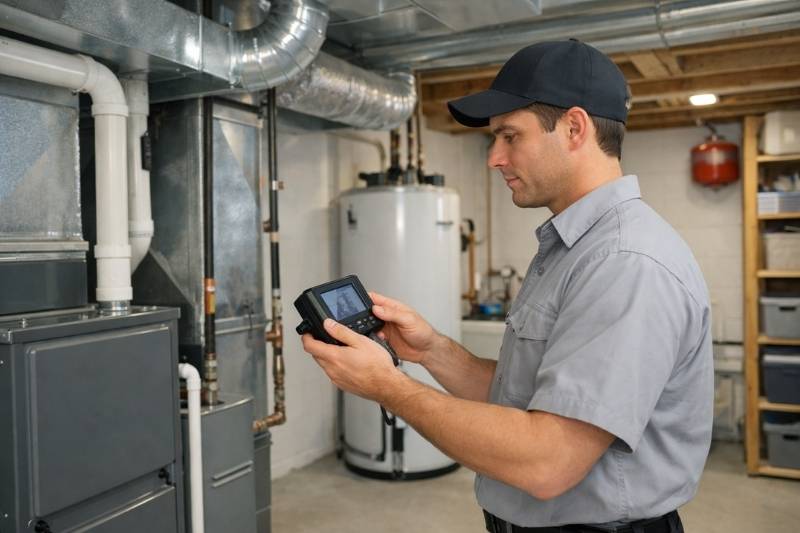
Modern duct cameras are compact, flexible, and equipped with LED lights to illuminate dark spaces. The technician guides the camera through vents and main duct lines, capturing high-resolution video. Some systems allow for still photos or even remote viewing by the homeowner.
The process is typically quick and non-destructive. After the inspection, technicians review the footage with you, pointing out any concerns and recommending next steps. For a deeper dive into the technology and its impact on HVAC maintenance, see this detailed explanation of air duct cameras in HVAC inspections.
Are There Alternatives to Camera Inspections?
While visual inspections with a camera are the most thorough, some alternatives exist:
- Traditional visual checks: Inspecting accessible vents and registers for visible dust or debris.
- Airflow and pressure testing: Measuring system performance can indicate blockages but won’t reveal their exact location or nature.
- Negative air pressure cleaning: This method removes debris but doesn’t always identify underlying issues. Learn more about understanding the negative air pressure method for duct cleaning.
- UV light installations: These can help maintain cleanliness but won’t diagnose existing problems. For more, see the role of UV lights in duct cleanliness.
Ultimately, only a camera inspection provides a direct, inside view—making it the gold standard for diagnosis.
FAQ: Duct Camera Inspections
How often should I schedule a duct camera inspection?
Most experts recommend an inspection every 3–5 years, or sooner if you notice air quality issues, recent renovations, or signs of pests. Older homes or buildings with a history of duct problems may benefit from more frequent checks.
Can I perform a duct camera inspection myself?
While consumer-grade inspection cameras are available, professional technicians have the experience and equipment to spot subtle issues and interpret footage accurately. DIY inspections may miss hidden problems or misidentify harmless debris.
Will a camera inspection damage my ductwork?
No. The process is non-invasive and uses flexible, lightweight cameras designed to navigate ducts without causing harm. Technicians take care to avoid damaging insulation or internal components.
Does insurance cover duct camera inspections?
In most cases, routine inspections are not covered by standard homeowner’s insurance. However, if the inspection is required as part of a claim for water damage, mold, or pests, some costs may be reimbursed. Always check with your insurance provider.
Conclusion: Making an Informed Choice
Deciding whether to invest in a camera-based duct inspection depends on your property’s age, history, and current air quality. For those seeking clear answers about the state of their ductwork, the benefits—accurate diagnosis, improved air quality, and potential cost savings—often justify the expense. By understanding what’s involved and when it’s most valuable, you can make a decision that supports both your health and your budget.