If you’ve noticed a fine layer of dust settling on your furniture soon after cleaning, or you see visible particles blowing from your HVAC vents, you’re not alone. Many homeowners struggle with excessive dust circulating through their homes, leading to allergies, respiratory discomfort, and a never-ending cleaning routine. Understanding how to stop dust from blowing out of vents is essential for maintaining a healthier indoor environment and improving air quality.
This guide will walk you through the most effective strategies to eliminate dust issues at the source. From identifying the root causes to implementing proven solutions, you’ll find practical steps to reduce airborne particles and keep your home cleaner for longer. Before diving into the main solutions, it’s worth noting that duct cleanliness plays a significant role in this problem. For those dealing with insulated ductwork, learning how to clean insulated ductwork safely can be a crucial first step.
Why Dust Blows Out of HVAC Vents
To effectively address dust issues, it’s important to understand why it happens in the first place. The most common reasons include:
- Dirty air ducts: Over time, dust, debris, and even mold can accumulate inside ductwork. When your HVAC system runs, it can blow these particles into your living spaces.
- Clogged or low-quality air filters: Filters that are dirty or not designed to capture fine particles allow dust to pass through and circulate.
- Leaky ducts: Gaps or holes in ductwork can draw in dust from attics, crawl spaces, or basements, distributing it throughout your home.
- Poor maintenance: Infrequent cleaning and lack of professional inspections can exacerbate dust problems.
Addressing these root causes is the first step toward a dust-free home.
Comprehensive Steps to Prevent Dust From Circulating
Let’s break down the most effective ways to minimize and eventually eliminate dust blowing from your vents.
1. Schedule Professional Duct Cleaning
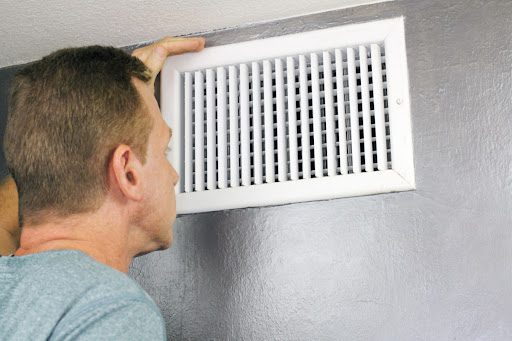
One of the most impactful solutions is having your air ducts professionally cleaned. Over the years, ducts can harbor significant dust, pet dander, pollen, and even pests. A thorough cleaning removes these contaminants, preventing them from being blown back into your home.
For best results, look for companies that use advanced methods such as negative air pressure cleaning. This technique is highly effective at removing deeply embedded dust and debris. You can learn more about this process in our article on understanding the negative air pressure method.
If you’re curious about the most effective duct cleaning approaches, consider reading this guide to the best way to clean air ducts for additional insights.
2. Upgrade and Replace Air Filters Regularly
Your HVAC system’s air filter is the first line of defense against dust. Using high-efficiency filters, such as HEPA or those with a high MERV rating, can capture much finer particles than standard filters. Make sure to:
- Check filters monthly, especially during heavy use seasons.
- Replace or clean filters as recommended by the manufacturer.
- Consider upgrading to a filter that matches your system’s capabilities for maximum dust control.
Neglecting filter maintenance is a leading cause of dust recirculation and can even reduce system efficiency.
3. Seal Duct Leaks to Prevent Dust Intrusion
Leaky ducts can draw in dust from unconditioned spaces and distribute it throughout your home. To address this:
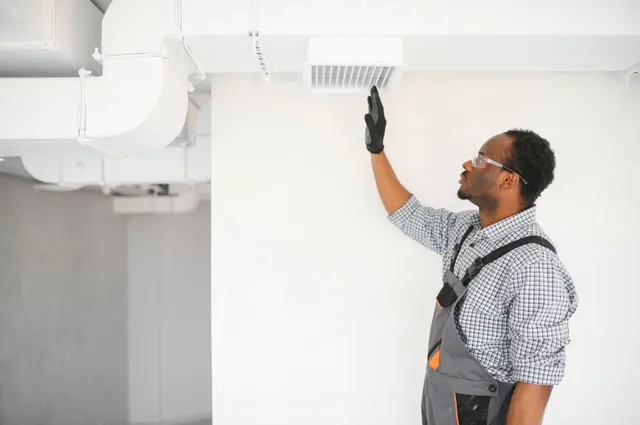
- Inspect accessible ductwork for visible gaps, holes, or disconnected joints.
- Use mastic sealant or metal tape (not standard duct tape) to seal any leaks.
- Consider hiring a professional for a comprehensive duct inspection and sealing, especially if you suspect hidden leaks.
Properly sealed ducts not only reduce dust but also improve energy efficiency and indoor comfort.
4. Maintain Regular Cleaning Habits
While addressing your HVAC system is critical, don’t overlook routine cleaning in your home. Dust can accumulate on surfaces and be drawn back into the air system. To minimize this:
- Vacuum carpets and rugs with a HEPA-filtered vacuum at least once a week.
- Dust hard surfaces with a damp cloth to trap particles instead of spreading them.
- Wash bedding, curtains, and upholstery regularly.
These habits, combined with HVAC maintenance, will significantly reduce dust recirculation.
5. Consider Air Purification Solutions
For homes with persistent dust problems, adding a portable or whole-home air purifier can make a noticeable difference. Devices with HEPA filtration are especially effective at capturing airborne particles before they settle or enter your HVAC system.
For those with allergies or respiratory sensitivities, investing in a HEPA air scrubber can provide an extra layer of protection and peace of mind.
Additional Tips for Long-Term Dust Control
Beyond the main strategies above, here are some extra steps to keep your home’s air cleaner:
- Keep windows and doors closed during high pollen or dust seasons.
- Use doormats and remove shoes at entryways to prevent tracking in outdoor dust.
- Check for and address any moisture issues, as humidity can cause dust to settle and promote mold growth.
- Consider installing UV lights in your HVAC system to help maintain duct cleanliness and reduce microbial growth. Learn more about the role of UV lights in duct cleanliness.
- If you’re remodeling, take steps to protect your ducts from construction dust. Our article on ways to keep ducts clean during remodeling offers practical advice.
Recognizing When Professional Help Is Needed
If you’ve tried these solutions and still notice significant dust blowing from your vents, it may be time to consult a professional. Persistent dust issues can sometimes indicate deeper problems, such as mold contamination or severe ductwork damage. In some cases, dirty ducts can even contribute to health problems like symptoms of sick building syndrome from ducts.
A qualified HVAC technician can assess your system, recommend targeted solutions, and ensure your home’s air is as clean as possible.
FAQ: Common Questions About Dust in HVAC Systems
How often should I have my air ducts cleaned?
Most experts recommend professional duct cleaning every 3–5 years, or more frequently if you have pets, allergies, or recent renovations. If you notice visible dust or musty odors, it’s a sign to schedule a cleaning sooner.
What type of air filter is best for dust control?
HEPA filters or those with a high MERV rating (13 or above) are best for trapping fine dust particles. Always check your HVAC system’s specifications to ensure compatibility with higher-efficiency filters.
Can leaky ducts really make dust problems worse?
Absolutely. Leaky ducts can pull in dust from attics, basements, or crawl spaces and distribute it throughout your home. Sealing leaks is a key step in reducing airborne dust and improving overall air quality.
Are air purifiers worth it for homes with dust issues?
Air purifiers, especially those with HEPA filtration, can significantly reduce airborne dust and allergens. They are particularly beneficial for people with allergies, asthma, or respiratory sensitivities.
By following these proven strategies and maintaining regular HVAC and home cleaning routines, you can dramatically reduce dust blowing from your vents and enjoy a cleaner, healthier home environment.