Gaining access to difficult sections of ductwork is a challenge faced by homeowners, property managers, and HVAC professionals alike. Whether you’re tackling a cleaning project, inspecting for damage, or planning repairs, knowing how to access hard to reach ductwork is essential for maintaining indoor air quality and ensuring your HVAC system runs efficiently. This guide will walk you through proven strategies, recommended tools, and practical safety tips to help you approach these tricky areas with confidence.
Addressing hidden or obstructed air ducts isn’t just about convenience—it’s about preventing dust buildup, mold growth, and airflow restrictions that can impact your health and comfort. Before diving into the process, it’s helpful to understand the structure of your duct system and the common obstacles that make certain sections less accessible.
If you’re interested in maintaining your ductwork’s insulation or need to address specific cleaning concerns, you may also find value in learning about how to clean insulated ductwork safely, which covers related maintenance techniques.
Understanding the Challenges of Inaccessible Duct Sections
Ductwork often runs through walls, ceilings, crawl spaces, and attics—places that are not designed for easy access. Over time, these hidden sections can accumulate dust, debris, and even pests. The main obstacles include:
- Limited physical access due to tight spaces or obstacles like beams and joists
- Complex duct layouts with sharp bends, long runs, or multiple branches
- Insulation or building materials covering ductwork
- Potential for damage if improper methods are used
Recognizing these challenges is the first step toward developing an effective plan for reaching and servicing your entire duct system.
Essential Tools and Equipment for Gaining Access
Professionals rely on specialized tools to reach and clean difficult duct areas. For homeowners and DIYers, investing in the right equipment can make a significant difference. Here are some of the most useful tools for the job:
- Flexible duct brushes – Designed to bend around corners and navigate tight spaces
- Inspection cameras – Allow you to visually assess interior duct conditions without removing panels
- Long-reach vacuum attachments – Help remove dust and debris from deep within the ductwork
- Access panels – Pre-installed or retrofitted panels provide entry points for cleaning and inspection
- HEPA air scrubbers – Capture airborne particles during cleaning, protecting indoor air quality
When selecting equipment, prioritize tools that are compatible with your duct size and layout. Always follow manufacturer instructions to avoid damaging your system.
Step-by-Step Methods for Accessing Difficult Ductwork
Tackling hard-to-reach ducts requires a systematic approach. Here are the key steps professionals use to ensure thorough access and cleaning:
- Map your duct system: Use blueprints, inspection cameras, or visual tracing to identify all duct runs, including hidden sections.
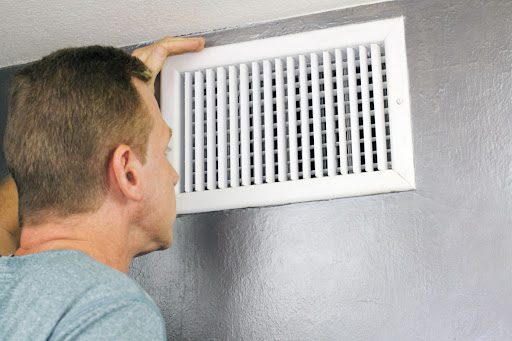
- Locate existing access points: Check for service panels or removable grilles. If none exist, consider installing access panels at strategic locations.
- Clear obstructions: Move furniture, insulation, or stored items that block entry to duct openings.
- Use extension tools: Employ flexible brushes or vacuum attachments to reach deep into the ductwork.
- Monitor progress: Use an inspection camera to verify that all areas are reached and cleaned.
- Seal and restore: Once finished, ensure all panels and grilles are securely reattached and that any insulation is replaced.
For more advanced cleaning methods, such as using negative air pressure, you can explore resources like understanding the negative air pressure method to learn about professional-grade techniques.
Safety Considerations When Working in Tight Spaces
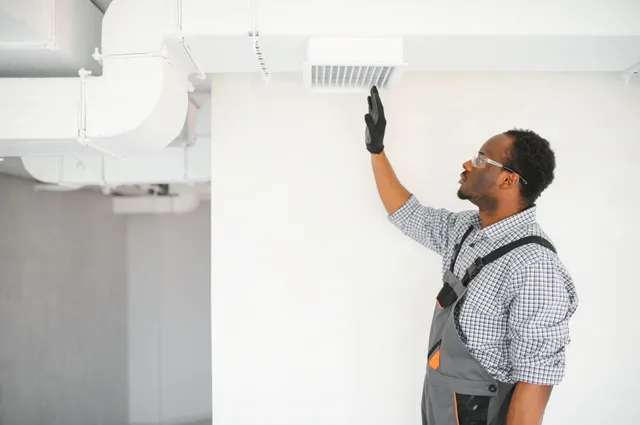
Safety is paramount when accessing confined or elevated ductwork. Always keep these precautions in mind:
- Wear protective gear, including gloves, goggles, and a dust mask or respirator
- Use a sturdy ladder or scaffolding for overhead ducts
- Ensure adequate lighting in attics, crawl spaces, or basements
- Watch for electrical wiring, sharp edges, or pests
- Never force tools or panels—if resistance is met, reassess your approach
If you encounter mold, asbestos, or signs of animal infestation, it’s best to consult a certified HVAC technician or remediation specialist.
Professional Tips for Thorough Duct Cleaning and Maintenance
Experts recommend a proactive approach to keep your entire duct system in top shape:
- Schedule regular inspections to identify problem areas before they worsen
- Use HEPA filtration during cleaning to minimize airborne contaminants
- Seal leaks and gaps with mastic or foil tape to prevent dust infiltration
- Consider UV lights for ongoing microbial control—learn more about the role of UV lights in duct cleanliness
- Replace air filters frequently to support system efficiency
For a deeper dive into the best cleaning practices, check out this comprehensive guide to air duct cleaning methods from industry experts.
Common Issues Found in Hard-to-Reach Ducts
When you finally gain access to those hidden sections, you may discover:
- Accumulated dust, pet hair, and debris
- Mold or mildew growth due to moisture
- Signs of pests such as rodents or insects
- Damaged or disconnected duct joints
- Insulation that has shifted or deteriorated
Addressing these issues promptly can prevent poor air quality and reduce the risk of symptoms of sick building syndrome from ducts in your home or workplace.
Maintaining Clean and Accessible Ductwork
Once you’ve successfully accessed and serviced your ductwork, ongoing maintenance is key. Here are some practical steps:
- Install additional access panels in problem areas for future ease
- Keep surrounding spaces clear to allow for regular inspection
- Monitor for unusual odors, dust buildup, or reduced airflow
- Plan for periodic professional cleaning, especially after renovations—see these ways to keep ducts clean during remodeling
Staying proactive not only extends the life of your HVAC system but also helps maintain a healthier indoor environment.
Frequently Asked Questions
What is the safest way to reach ductwork in tight spaces?
The safest approach is to use flexible tools and inspection cameras, wear appropriate safety gear, and avoid forcing access panels or tools. If an area is too confined or presents hazards like mold or asbestos, it’s best to call a professional.
How often should hard-to-reach ducts be cleaned?
Most experts recommend inspecting and cleaning your entire duct system every 3–5 years, or more frequently if you notice dust buildup, odors, or allergy symptoms. Areas that are particularly inaccessible may require professional attention to ensure thorough cleaning.
Can I install my own access panels for duct cleaning?
Yes, many homeowners install aftermarket access panels to make future cleaning and inspection easier. Choose panels that are compatible with your duct material and size, and follow installation instructions carefully to avoid damaging the ductwork.