Indoor air quality is a critical factor in maintaining a healthy home or business environment. One often overlooked aspect is how humidity levels impact duct dust accumulation and mold development inside HVAC systems. Understanding the relationship between moisture, dust, and microbial growth can help property owners take proactive steps to reduce health risks and maintain efficient airflow.
This article explores the effect of humidity on duct dust, why it matters for mold prevention, and practical strategies to keep your ductwork clean and safe. If you’re interested in advanced cleaning methods, you may also want to learn about the understanding the negative air pressure method for duct cleaning.

Understanding How Humidity Influences Dust in Ducts
Humidity refers to the amount of water vapor present in the air. When indoor humidity rises above recommended levels (typically 30-50%), it can have a direct impact on the way dust behaves inside ductwork. High moisture content causes dust particles to clump together and stick to duct surfaces more readily. Over time, this leads to thicker layers of debris, which can restrict airflow and reduce HVAC efficiency.
Conversely, extremely low humidity can make dust lighter and more likely to become airborne, allowing it to circulate throughout the building. Both scenarios present challenges for maintaining clean ducts and good indoor air quality.
Why Moisture Promotes Mold Growth in Ductwork
Mold spores are naturally present in the environment, but they require moisture to grow and thrive. When ducts are exposed to high humidity, condensation can form on the inner surfaces. This damp environment, combined with organic material found in dust, creates ideal conditions for mold colonies to develop.
Common signs of mold in ductwork include musty odors, visible growth around vents, and increased allergy symptoms among occupants. Addressing humidity issues is essential for preventing these problems before they escalate.
Key Factors Affecting Humidity and Dust Accumulation
- Air Leaks: Gaps or cracks in ductwork can allow humid air from attics, crawlspaces, or basements to enter the system, raising moisture levels inside the ducts.
- Poor Insulation: Uninsulated or poorly insulated ducts are more likely to experience temperature fluctuations, leading to condensation and moisture buildup.
- HVAC Operation: Systems that cycle on and off frequently may not remove enough humidity from the air, especially in humid climates.
- Dust Sources: Activities such as remodeling, pet ownership, or high foot traffic can increase the amount of dust entering the HVAC system.
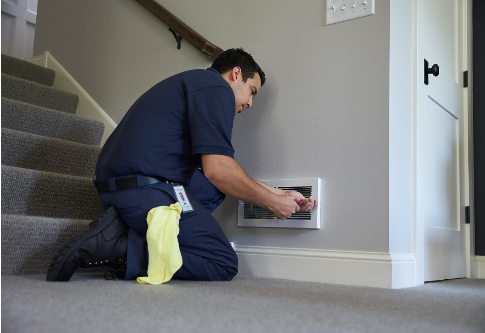
How the Effect of Humidity on Duct Dust Impacts Indoor Air Quality
When dust and moisture combine in ductwork, the result is more than just dirty vents. The mixture can harbor bacteria, allergens, and volatile organic compounds (VOCs), all of which can be circulated throughout the building. This can worsen respiratory issues, trigger allergies, and contribute to the phenomenon known as symptoms of sick building syndrome from ducts.
Additionally, mold spores released from contaminated ducts can settle on furniture, walls, and carpets, making remediation more difficult and costly. Keeping humidity in check is a proactive way to protect both your HVAC system and the health of occupants.
Preventing Dust and Mold Problems Caused by Humidity
There are several practical steps homeowners and facility managers can take to minimize the risks associated with high humidity in ductwork:
- Monitor Indoor Humidity: Use a hygrometer to keep track of moisture levels. Aim for 30-50% relative humidity.
- Seal Duct Leaks: Properly sealed ductwork prevents humid air from entering and keeps conditioned air inside the system. For more information, see our guide on how to clean insulated ductwork safely.
- Insulate Ducts: Adding insulation to ducts in unconditioned spaces helps prevent condensation and temperature swings.
- Change Air Filters Regularly: Clean filters trap dust before it can enter the duct system and reduce the risk of buildup.
- Schedule Routine Duct Cleaning: Professional cleaning removes accumulated dust and mold, improving air quality and system efficiency. For DIY tips, check out this step-by-step guide to cleaning air ducts yourself.
- Use Air Scrubbers or Dehumidifiers: Devices like HEPA air scrubbers and dehumidifiers can help control airborne particles and moisture, especially in humid climates.

Best Practices for Managing Humidity and Duct Cleanliness
Maintaining the right balance of humidity is essential for preventing dust buildup and mold growth in your HVAC system. Here are some best practices to follow:
- Ventilate Properly: Use exhaust fans in kitchens, bathrooms, and laundry rooms to remove excess moisture at the source.
- Address Water Intrusion Promptly: Fix leaks in roofs, walls, or plumbing to prevent water from entering ductwork.
- Upgrade Filtration: Consider high-efficiency filters or air purifiers to capture more dust and allergens.
- Monitor for Signs of Mold: Regularly inspect vents and registers for discoloration, musty smells, or visible growth.
- Consider UV Technology: Installing UV lights in your HVAC system can help inhibit mold and bacteria. Learn more about the role of UV lights in duct cleanliness.
Long-Term Benefits of Controlling Humidity in Ducts
By managing moisture and dust levels in your ductwork, you can enjoy several long-term advantages:
- Improved Air Quality: Less dust and mold means cleaner, healthier air for everyone indoors.
- Lower Allergy and Asthma Risks: Reducing allergens and irritants can help minimize symptoms for sensitive individuals.
- Greater HVAC Efficiency: Clean ducts allow air to flow freely, reducing energy consumption and extending equipment lifespan.
- Reduced Maintenance Costs: Preventing mold and dust buildup can help you avoid expensive repairs and remediation.
- Peace of Mind: Knowing your system is clean and safe provides confidence in your indoor environment.
Frequently Asked Questions
What is the ideal humidity level to prevent dust and mold in ducts?
The recommended indoor humidity range is between 30% and 50%. Staying within this range helps minimize dust accumulation and reduces the risk of mold growth inside ductwork.
How often should ducts be cleaned if I live in a humid climate?
In humid regions, it’s wise to have your ducts inspected and cleaned every 2-3 years, or more frequently if you notice signs of dust buildup or mold. Regular filter changes and humidity control can help extend the time between professional cleanings.
Can high humidity cause permanent damage to my HVAC system?
Yes, prolonged exposure to high humidity can lead to corrosion, mold growth, and reduced efficiency in HVAC components. Addressing moisture issues promptly helps protect your system and maintain good air quality.
Are there smart ways to keep ducts clean during home renovations?
Yes, sealing off vents, using air scrubbers, and cleaning ducts after construction are effective strategies. Discover more ways to keep ducts clean during remodeling for optimal results.