Experiencing frequent sneezing at home or work can be frustrating, especially when it seems to happen most often indoors. One of the most overlooked contributors to indoor allergy symptoms is the presence of dusty vents. When heating, ventilation, and air conditioning (HVAC) systems circulate air, they can also spread dust, allergens, and other irritants throughout your environment. Understanding the connection between dusty vents and sneezing is key to improving indoor air quality and reducing discomfort.
This article explores why vents accumulate dust, how this can trigger sneezing and allergies, and practical solutions to address the problem. We’ll also highlight expert-recommended products and cleaning strategies to help you breathe easier in your home or office.

For those interested in more advanced cleaning methods, you may want to learn about the understanding the negative air pressure method, which is a professional technique for removing dust and debris from ductwork.
How Dust Accumulates in Vents
Air ducts and vents act as the lungs of any building, circulating air to maintain comfort and temperature. Over time, these pathways can collect a significant amount of dust, pollen, pet dander, mold spores, and even bacteria. When the HVAC system is running, these particles are blown into living spaces, where they can settle on surfaces or remain airborne.
- Dust buildup is common in homes with pets or high foot traffic.
- Renovations and construction work can introduce more debris into the duct system.
- Neglected air filters allow more particulates to enter the airflow.
- Humidity and moisture can encourage the growth of mold and mildew inside vents.
If you notice visible dust on vent covers, musty odors, or increased sneezing when the air turns on, it’s likely your ducts need attention.
Why Dusty Vents Trigger Sneezing and Allergies
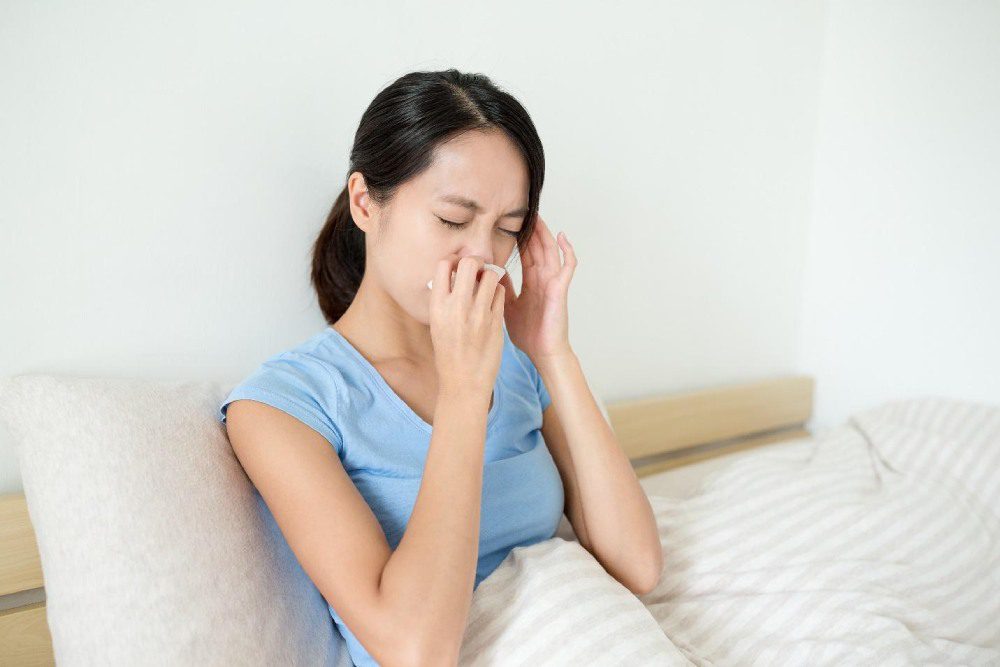
Sneezing is a natural reflex that helps clear irritants from your nose and throat. When you breathe in air contaminated by dust and allergens from vents, your body reacts by trying to expel these particles. For people with allergies or asthma, the effects can be even more pronounced.

Common symptoms linked to contaminated vents include:
- Frequent sneezing or runny nose
- Watery or itchy eyes
- Sinus congestion and headaches
- Worsening asthma or allergy symptoms
- Fatigue and general discomfort
In some cases, exposure to airborne irritants from vents can contribute to more serious issues such as symptoms of sick building syndrome from ducts. This highlights the importance of maintaining clean airways in any indoor environment.
Key Causes of Dusty Vents and Sneezing
Several factors contribute to the accumulation of dust and allergens in vents, each of which can worsen sneezing and respiratory irritation:
- Dirty or Old Air Filters: Air filters are designed to trap dust and particles before they enter your living space. When filters are clogged or outdated, they lose effectiveness and allow more contaminants to circulate.
- Poor Duct Sealing: Leaky ducts can draw in dust from attics, crawl spaces, or wall cavities, introducing new irritants into your system.
- Lack of Regular Cleaning: Without routine cleaning, dust and debris build up inside the ductwork, eventually making their way into the air you breathe.
- Humidity and Mold: Moisture in ducts can lead to mold growth, which releases spores that are potent triggers for sneezing and allergies.
- Pets and Pollen: Pet hair and outdoor pollen can easily be drawn into vents, especially during certain seasons.
Addressing these root causes is essential for reducing the impact of dusty vents on your indoor air quality and health.
Effective Remedies for Cleaner Air and Fewer Allergies
Improving the air quality in your home or office starts with a few practical steps. Here are proven strategies to minimize dust and reduce sneezing:
- Replace Air Filters Regularly: Choose high-efficiency filters such as HEPA or electrostatic models and change them every 1–3 months, depending on usage and manufacturer recommendations.
- Schedule Professional Duct Cleaning: Experts use specialized tools to remove dust, debris, and mold from inside your ductwork. For guidance on safe cleaning practices, see this article on how to clean insulated ductwork safely.
- Control Humidity: Use dehumidifiers to keep indoor humidity between 30–50%, which discourages mold and dust mite growth.
- Seal Duct Leaks: Properly sealed ducts prevent dust from entering the system from unconditioned spaces.
- Install Air Purifiers: Standalone HEPA air purifiers can capture airborne particles before they settle or are inhaled.
- Consider UV Lights: Adding UV lights to your HVAC system can help kill mold and bacteria. Learn more about the role of UV lights in duct cleanliness.
These steps can make a noticeable difference in your comfort and health, especially for those sensitive to airborne irritants.
Preventing Dust and Allergens in Your HVAC System
Prevention is the best approach to maintaining clean air and avoiding sneezing fits. Here are some ongoing habits to keep your vents and ducts in top shape:
- Vacuum and Dust Regularly: Use a vacuum with a HEPA filter to reduce dust buildup on floors, furniture, and around vent covers.
- Keep Windows Closed During High Pollen Seasons: This limits the amount of outdoor allergens entering your home.
- Monitor Indoor Air Quality: Consider using an air quality monitor to track dust, humidity, and pollutant levels.
- Clean Vent Covers: Remove and wash vent covers every few months to prevent dust from being blown back into the room.
- Address Mold Promptly: If you notice musty odors or visible mold, use an approved anti-mold spray and consult a professional if needed.
For more tips on keeping your system clean during home projects, see these ways to keep ducts clean during remodeling.
Understanding Indoor Air Pollution and Health Risks
Indoor air pollution is a growing concern, especially as people spend more time inside. Dust, mold, and other particulates from vents can worsen allergies, asthma, and even contribute to long-term health issues. According to NHS guidance on indoor air pollution, maintaining clean airways and minimizing exposure to irritants is essential for respiratory health.
Regular maintenance, proper filtration, and attention to humidity levels all play a role in reducing the impact of dusty vents on your well-being.
FAQ: Common Questions About Dusty Vents and Sneezing
How often should air ducts be cleaned to prevent sneezing?
Most experts recommend having air ducts professionally cleaned every 3–5 years, or more frequently if you have pets, allergies, or recent construction in your home. Regular filter changes and surface cleaning can help maintain air quality between professional services.
Can mold in vents cause more than just sneezing?
Yes, mold spores from vents can trigger a range of symptoms, including coughing, headaches, sinus infections, and even more severe respiratory issues for those with asthma or compromised immune systems. Promptly addressing moisture and using anti-mold products is crucial.
Are HEPA filters effective for reducing dust and allergens?
HEPA filters are highly effective at capturing small particles, including dust, pollen, and pet dander. Upgrading to HEPA or electrostatic filters can significantly reduce airborne irritants and help minimize sneezing and allergy symptoms.
What are signs that my vents are contributing to poor air quality?
Signs include visible dust on vent covers, musty odors, increased allergy symptoms when the HVAC runs, and excessive dust settling on surfaces. If you notice these, it may be time for a thorough cleaning and filter replacement.