Persistent dust buildup in homes and commercial spaces can be frustrating, especially when regular cleaning and HVAC maintenance don’t seem to solve the problem. If you’re noticing layers of dust reappearing shortly after cleaning, or if allergy symptoms persist despite your best efforts, the root cause may be hidden deep within your ductwork. Modern solutions like duct camera inspection for unexplained dust offer a precise way to identify and address these elusive issues.
Before investing in costly repairs or repeated duct cleanings, understanding what’s happening inside your ventilation system is crucial. This article explores how advanced inspection tools can pinpoint sources of dust, debris, and contamination, helping you regain control over your indoor air quality.
For those dealing with insulated ductwork, it’s important to use proper cleaning methods to avoid damaging materials or releasing more particulates. Learn more about how to clean insulated ductwork safely to complement your inspection efforts.
Why Dust Accumulates Despite Regular Cleaning
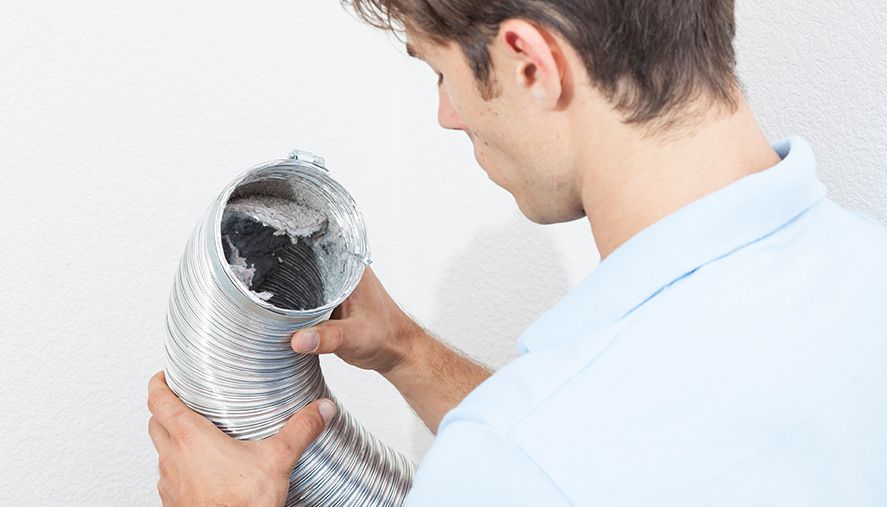
Many property owners are surprised to find that dust returns quickly, even after thorough cleaning routines. Common culprits include leaky ducts, poor filtration, construction debris, or even pest infestations. However, without a clear view inside your duct system, these issues can remain undetected for years.
Traditional inspections often rely on guesswork or surface-level checks. In contrast, using a duct camera inspection for unexplained dust allows technicians to visually assess the interior of your ductwork in real time. This approach uncovers hidden blockages, disconnected joints, and areas where dust may be entering or accumulating.
How Duct Camera Technology Works
The process involves inserting a small, high-resolution camera attached to a flexible cable into the duct system. As the camera moves through the ducts, it transmits live video to a monitor, allowing technicians and property owners to see exactly what’s inside.
- Pinpointing Dust Sources: The camera can reveal dust buildup, mold, and debris in hard-to-reach areas.
- Identifying Leaks and Gaps: Visual inspection helps spot cracks or disconnected sections where unfiltered air and dust may enter.
- Assessing Cleaning Effectiveness: After cleaning, a follow-up inspection ensures that all contaminants have been removed.
This technology is especially valuable for diagnosing persistent dust problems that don’t respond to standard cleaning or filter changes.
Common Issues Revealed by Duct Camera Inspections
When unexplained dust continues to circulate, a camera-based inspection often uncovers issues such as:
- Accumulated Construction Debris: Renovations or previous repairs may leave behind drywall dust, sawdust, or insulation fibers.
- Pest Activity: Rodents or insects can bring in nesting materials and droppings, contributing to dust and allergens.
- Mold and Moisture: Damp areas inside ducts can lead to mold growth, which breaks down into fine particulates.
- Disconnected or Damaged Ducts: Gaps allow attic or crawlspace dust to enter the air supply.
- Old or Deteriorated Insulation: Aging insulation can shed fibers directly into the airflow.
By seeing these problems firsthand, you can make informed decisions about repairs, cleaning, or upgrades to your HVAC system.
Benefits of Visual Inspections for Persistent Dust
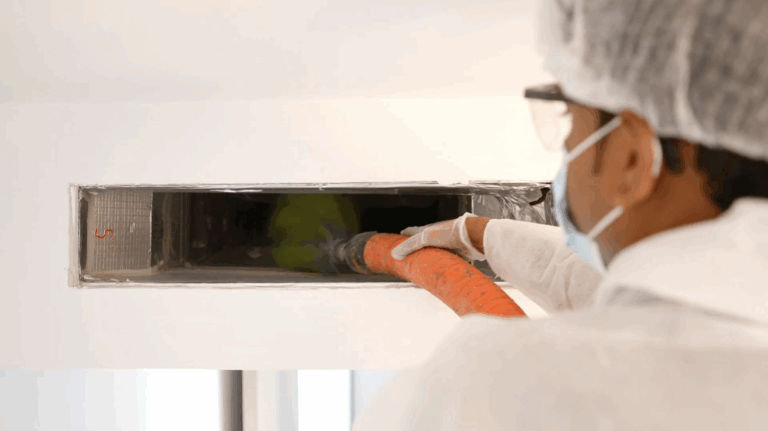
Opting for a duct camera inspection for unexplained dust offers several key advantages:
- Targeted Solutions: Instead of guessing, you can address the exact source of dust and contamination.
- Cost Savings: Avoid unnecessary cleaning or repairs by knowing precisely what needs attention.
- Peace of Mind: Visual confirmation of clean, intact ducts helps ensure healthy indoor air quality.
- Documentation: Video or photo evidence can be useful for warranty claims, insurance, or property sales.
For a step-by-step overview of the inspection process, see this comprehensive guide to inspecting air ducts.
What to Expect During a Professional Duct Camera Assessment
When you schedule a professional inspection, technicians will typically:
- Discuss your dust concerns and review your HVAC history.
- Access the duct system through existing vents or service ports.
- Insert the camera and record video as it travels through the ducts.
- Point out any issues found, such as blockages, leaks, or contamination.
- Recommend targeted cleaning, repairs, or upgrades based on findings.
The process is non-invasive and usually takes less than two hours for a standard home or small business.
Preventing Future Dust Issues After Inspection
Once sources of dust have been identified and addressed, ongoing maintenance is key. Consider these strategies:
- Upgrade to high-efficiency air filters and replace them regularly.
- Seal any leaks or gaps in ductwork to prevent dust intrusion.
- Schedule periodic professional cleanings, especially after renovations.
- Monitor for signs of moisture or pest activity and address promptly.
- Explore the role of UV lights in duct cleanliness to help control microbial growth.
For those undergoing home remodeling, review these ways to keep ducts clean during remodeling to minimize dust and debris entering your system.
Related Health Concerns and When to Seek Help
Persistent dust isn’t just a nuisance—it can impact respiratory health, trigger allergies, and contribute to what’s known as “sick building syndrome.” If you or your family experience unexplained symptoms such as headaches, coughing, or eye irritation, contaminated ducts may be a factor. Learn more about the symptoms of sick building syndrome from ducts and when to consult a professional.
In some cases, advanced cleaning methods like the negative air pressure cleaning method may be recommended after a camera inspection to thoroughly remove contaminants.
FAQ
How often should I schedule a duct camera inspection?
For most homes, a visual inspection every 3–5 years is sufficient, unless you notice persistent dust, recent renovations, or allergy symptoms. Commercial properties or buildings with high occupancy may benefit from more frequent checks.
Can I perform a duct camera inspection myself?
While consumer-grade cameras are available, professional inspections offer higher-quality imaging and expert interpretation of findings. Trained technicians can also identify subtle issues and recommend the most effective solutions.
Will a duct camera inspection fix my dust problem?
The inspection itself doesn’t remove dust, but it identifies the underlying causes. Once issues are found, targeted cleaning, repairs, or upgrades can be performed to resolve the problem and improve air quality.