Understanding what influences the duct camera inspection cost factors can help homeowners and facility managers make informed decisions when scheduling HVAC maintenance. Camera inspections of air ducts provide a clear view of the interior condition, revealing blockages, damage, or contamination that may not be visible from the outside. The total price for this service can vary significantly depending on several variables, from property size to accessibility and the technology used.
If you’re considering a thorough duct assessment, it’s helpful to know what drives pricing and how to compare service providers. For those interested in related maintenance topics, you might also want to learn about how to clean insulated ductwork safely to extend the lifespan of your HVAC system and improve indoor air quality.
Why Choose Camera Inspections for Ductwork?
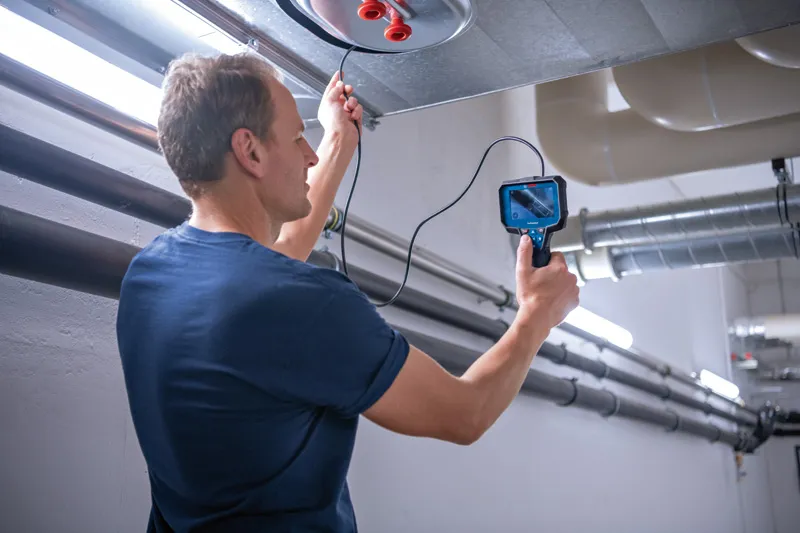
Traditional duct inspections often rely on visual checks at registers or guessing based on airflow and dust levels. In contrast, a camera inspection uses a specialized device to provide real-time video or images from inside the duct system. This approach offers several advantages:
- Pinpoints exact locations of blockages, leaks, or mold growth
- Reduces unnecessary duct cleaning or repairs
- Documents duct condition for insurance or warranty claims
- Improves transparency between service providers and customers
These benefits make camera-based assessments a preferred choice for both residential and commercial properties, especially when accurate diagnostics are needed.
Key Elements That Influence Duct Camera Inspection Pricing
Several duct camera inspection cost factors come into play when determining the final price of this service. Below are the most significant variables to consider:
1. Size and Complexity of the Duct System
The larger and more intricate your ductwork, the more time and resources are required for a comprehensive inspection. Homes with multiple floors, extensive branching, or commercial buildings with complex layouts typically incur higher charges. Service providers may price inspections based on square footage, number of vents, or the total length of ducting.
2. Accessibility and Location
Ducts that are easy to access, such as those in basements or crawl spaces, generally cost less to inspect than those hidden behind walls, ceilings, or in tight attic spaces. If technicians need to remove panels, move furniture, or use specialized equipment to reach the ductwork, expect additional labor fees.
3. Type of Camera Technology Used
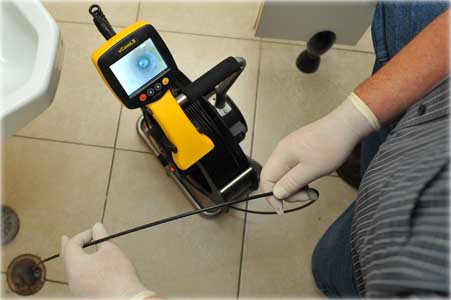
The quality and capabilities of the inspection camera can affect the cost. Basic push cameras are less expensive, while advanced robotic or 360-degree cameras with recording and reporting features may come at a premium. High-definition imaging and the ability to capture video for documentation can also influence pricing.
4. Condition of the Ducts
If your ductwork is heavily contaminated with dust, debris, or mold, it may take longer to inspect or require additional cleaning before the camera can be used effectively. Some companies charge extra for pre-inspection cleaning or if significant obstructions are found during the process.
5. Geographic Region and Local Market Rates
Prices for duct camera inspections can vary depending on your location. Urban areas or regions with a high cost of living may have higher service rates than rural communities. Local competition and demand for HVAC services also play a role in setting prices.
6. Additional Services and Reporting
Many companies offer bundled packages that include inspection, cleaning, and post-inspection reports. Detailed documentation, video files, or recommendations for repairs may be included for an extra fee. Always clarify what is covered in the quoted price to avoid surprises.
Average Price Ranges for Duct Camera Assessments
While costs vary, most residential duct camera inspections fall in the range of $200 to $500, depending on the factors outlined above. Larger commercial properties or facilities with complex ductwork can expect higher fees, sometimes exceeding $1,000. Always request a detailed estimate and ask for a breakdown of what is included.
For a more in-depth look at what a professional inspection entails, you can review this comprehensive overview of camera-based duct inspections from an industry expert.
How to Save on Duct Inspection Services
There are several ways to optimize your investment in duct camera inspections:
- Schedule inspections during off-peak seasons when service providers may offer discounts
- Bundle inspection with cleaning or other HVAC maintenance for package pricing
- Get multiple quotes from reputable companies to compare rates and services
- Ask about any additional fees for documentation, video files, or follow-up visits
- Maintain your ductwork regularly to reduce the need for frequent inspections
Staying proactive with HVAC care not only helps control costs but also extends the life of your system and improves indoor air quality.
Related Considerations for Duct Maintenance
Beyond inspection, maintaining clean and functional ductwork is essential for healthy indoor environments. For example, understanding the role of UV lights in duct cleanliness can help prevent microbial growth, while learning about the symptoms of sick building syndrome from ducts highlights the importance of regular assessments.
If you’re planning renovations, consider these ways to keep ducts clean during remodeling to avoid contamination. For those interested in cleaning methods, exploring the negative air pressure method can provide insight into effective duct cleaning strategies.
Frequently Asked Questions
What is typically included in a duct camera inspection?
Most inspections involve a visual assessment using a specialized camera, identification of blockages or damage, and a summary report. Some services include video or photo documentation and recommendations for cleaning or repairs.
How often should duct camera inspections be performed?
For most homes, a camera inspection every 3–5 years is sufficient unless you notice issues like reduced airflow, unusual odors, or visible mold. Commercial properties or buildings with high occupancy may require more frequent checks.
Can camera inspections detect all types of duct problems?
While camera inspections are highly effective for spotting blockages, leaks, and contamination, some issues—such as insulation defects or external damage—may require additional diagnostic methods. Always consult with your HVAC professional for a comprehensive assessment.