Maintaining clean air ducts is essential for healthy indoor air quality and efficient HVAC performance. However, the use of chemicals during duct cleaning or deodorizing can introduce significant risks to both your health and your home’s air system. Understanding the dangers of using chemicals in ductwork is crucial for homeowners, facility managers, and anyone considering duct maintenance. This article explores the potential hazards, safer alternatives, and best practices to ensure your air remains clean and safe.
Many people are unaware that certain cleaning agents, disinfectants, and deodorizers can leave behind harmful residues or release volatile organic compounds (VOCs) into the air. These substances may linger in your ventilation system, affecting air quality long after the initial application. If you’re interested in safer cleaning methods, you might also want to read about how to clean insulated ductwork safely for additional guidance on non-chemical approaches.
Why Chemical Use in Air Ducts Is Risky
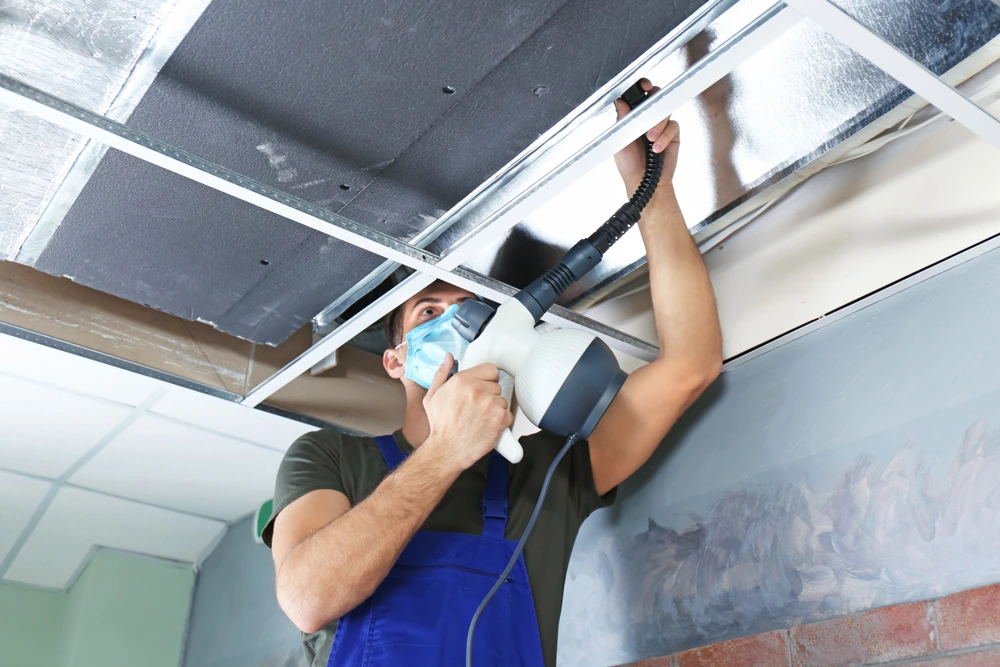
Applying chemicals inside ductwork may seem like an effective way to eliminate mold, bacteria, or odors, but it often creates more problems than it solves. The primary concern is that chemicals can circulate throughout your home via the HVAC system, exposing occupants to potentially hazardous substances.
- Volatile Organic Compounds (VOCs): Many cleaning products and deodorizers emit VOCs, which can cause headaches, dizziness, respiratory irritation, and even long-term health issues.
- Residue Buildup: Some chemicals leave sticky or powdery residues that attract dust and debris, reducing indoor air quality and potentially damaging duct materials.
- Corrosion and Material Damage: Harsh agents can corrode metal ducts or degrade flexible duct liners, leading to leaks and inefficiency.
These risks are especially concerning for sensitive groups, such as children, the elderly, and those with allergies or asthma. If you’re considering a cleaning project, it’s important to weigh the potential health impacts against the perceived benefits.
Common Chemicals Used and Their Hazards
Several types of chemicals are marketed for duct cleaning, deodorizing, or sanitizing. Each comes with its own set of dangers:
| Type of Chemical | Potential Hazard |
|---|---|
| Disinfectants (e.g., bleach, quaternary ammonium compounds) | Respiratory irritation, toxic fumes, residue buildup |
| Deodorizers and Fragrances | VOC release, allergic reactions, masking underlying issues |
| Biocides and Mold Inhibitors | Long-term health effects, environmental contamination |
| Solvent-based Cleaners | Flammability, corrosion, toxic exposure |
It’s important to note that the Environmental Protection Agency (EPA) does not recommend routine use of chemical biocides or sealants in air ducts, except in specific cases where microbial contamination is confirmed and cannot be controlled by other means.
Health Effects of Chemical Exposure in Ducts
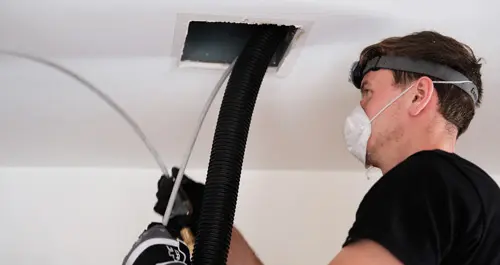
The dangers of using chemicals in ductwork extend beyond immediate irritation. Prolonged or repeated exposure to chemical residues and airborne contaminants can have lasting health consequences. Some of the most common symptoms include:
- Eye, nose, and throat irritation
- Worsening of asthma or allergy symptoms
- Headaches and dizziness
- Fatigue and difficulty concentrating
- Potential links to more serious conditions with chronic exposure
For those experiencing unexplained symptoms, it may be worth investigating whether chemical residues or poor duct cleaning practices are a contributing factor. For more information on health impacts, see the article on symptoms of sick building syndrome from ducts.
Alternatives to Chemical Duct Cleaning
There are safer and more effective ways to maintain duct cleanliness without resorting to harsh chemicals. Mechanical cleaning methods, such as vacuuming with HEPA filtration or using negative air pressure, remove dust and debris without introducing new contaminants. Learn more about the understanding the negative air pressure method for a chemical-free approach.
Other alternatives include:
- UV Light Systems: These can help control microbial growth without chemicals. See more about the role of UV lights in duct cleanliness.
- HEPA Air Scrubbers: Devices that filter airborne particles during cleaning, reducing the need for chemical agents.
- Routine Maintenance: Regular filter changes and HVAC servicing prevent buildup and reduce the need for aggressive cleaning.
When odors or mold are present, it’s best to address the underlying cause (such as moisture or leaks) rather than masking symptoms with fragrances or deodorizers.
What to Avoid When Cleaning Ductwork
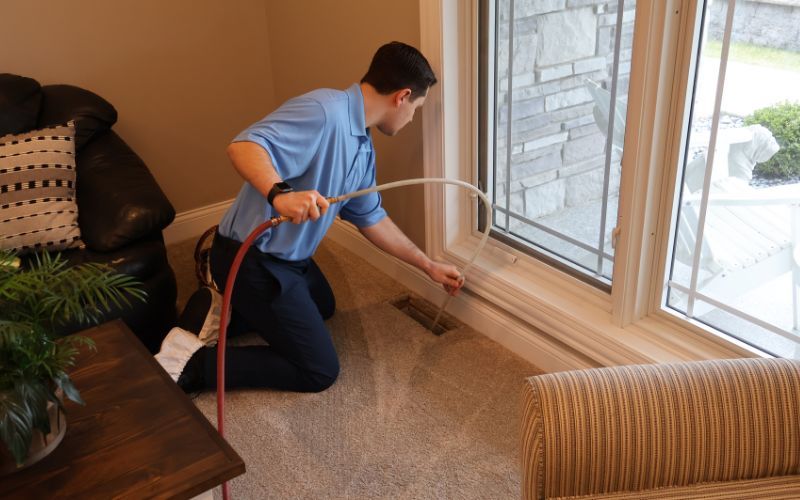
To minimize risk and protect your indoor environment, avoid the following practices:
- Using unapproved or industrial-strength chemicals not intended for residential HVAC systems
- Applying deodorizers or fragrances that mask rather than solve problems
- Attempting DIY chemical cleaning without proper training or equipment
- Neglecting to address underlying issues such as leaks or moisture, which can lead to recurring contamination
Instead, focus on proven, mechanical cleaning methods and consult professionals who follow industry standards. For a step-by-step guide on safe cleaning, see this DIY duct cleaning tutorial that emphasizes non-chemical approaches.
Best Practices for Safe Duct Maintenance
Maintaining clean and healthy ductwork doesn’t require harsh chemicals. Here are some best practices to keep your system safe:
- Schedule regular inspections and cleanings with reputable professionals.
- Use mechanical cleaning methods, such as vacuuming with HEPA filters or negative air pressure.
- Address moisture problems promptly to prevent mold growth.
- Change HVAC filters regularly to reduce dust and allergens.
- Use air purifiers or scrubbers during cleaning to capture airborne particles.
During home renovations or remodeling, take extra precautions to prevent debris from entering the duct system. For tips, see these ways to keep ducts clean during remodeling.
FAQ: Chemical Hazards in Air Ducts
Can chemical cleaners improve air quality in ducts?
While some products claim to sanitize or deodorize, chemical cleaners often introduce new pollutants or leave harmful residues. Mechanical cleaning and source control are safer and more effective for improving air quality.
Are there any safe chemicals for duct cleaning?
Most experts recommend avoiding chemical use unless specifically required for a severe microbial contamination. If chemicals are needed, only EPA-registered products should be used by trained professionals, and the system should be thoroughly ventilated afterward.
What should I do if I suspect chemical residue in my ducts?
If you notice unusual odors, irritation, or suspect chemical contamination, stop using the HVAC system and consult a professional duct cleaning service. They can assess the situation and recommend safe remediation steps.
How can I prevent the need for chemical cleaning?
Regular filter changes, prompt attention to leaks or moisture, and periodic mechanical cleaning will keep your ducts clean and reduce the need for chemical interventions.