Maintaining clean and efficient HVAC ductwork is essential for healthy indoor air quality and system performance. Over time, air ducts can accumulate dust, debris, mold, and even pests, leading to reduced efficiency and potential health risks. While regular cleaning and maintenance are important, there are situations where a more advanced approach is needed to truly understand the condition inside your ductwork. This is where duct camera inspection becomes invaluable.
Using specialized cameras, technicians can visually assess the interior of duct systems, identifying blockages, damage, or contamination that might otherwise go unnoticed. Understanding when to use duct camera inspection can help homeowners and facility managers make informed decisions about maintenance, repairs, and indoor air quality improvements.
For those dealing with insulated ductwork, learning how to clean insulated ductwork safely can complement the use of inspection cameras, ensuring a thorough and effective maintenance routine.
Key Situations That Call for Duct Camera Inspection
Not every maintenance visit requires a camera, but there are clear scenarios where this technology offers significant advantages. Below are some of the most common situations where a visual inspection inside the ducts is highly recommended:
- Unexplained Odors: Persistent musty or foul smells coming from vents can indicate mold, mildew, or trapped debris. A camera allows technicians to pinpoint the source.
- Visible Mold or Water Damage: If you notice mold around vents or signs of water leaks, a camera can help assess the extent of contamination inside the ductwork.
- Reduced Airflow or Hot/Cold Spots: Blockages, collapsed ducts, or heavy buildup can restrict airflow. Camera inspection helps identify and locate these issues quickly.
- After Pest Infestations: Rodents or insects may leave behind nests, droppings, or damage. A camera can confirm whether the ducts are clear or require cleaning and repairs.
- Before and After Major Cleaning: Technicians often use cameras to document duct conditions before cleaning and to verify results after the job is complete.
- Suspected Construction Debris: Renovations can introduce dust, drywall particles, and other debris into ducts. Visual inspection ensures nothing is left behind.
Benefits of Visual Duct Assessment
Integrating camera technology into HVAC maintenance offers several important benefits:
- Accurate Diagnosis: Technicians can see exactly what’s happening inside the ducts, leading to more precise recommendations and targeted solutions.
- Documentation: Before-and-after images or videos provide proof of work and help homeowners understand the condition of their system.
- Cost Efficiency: By identifying the exact location and nature of problems, unnecessary cleaning or repairs can be avoided.
- Peace of Mind: Homeowners gain confidence knowing that hidden issues have been properly identified and addressed.
For a detailed overview of the inspection process, you can refer to this step-by-step guide to inspecting air ducts.
How Duct Camera Inspection Works
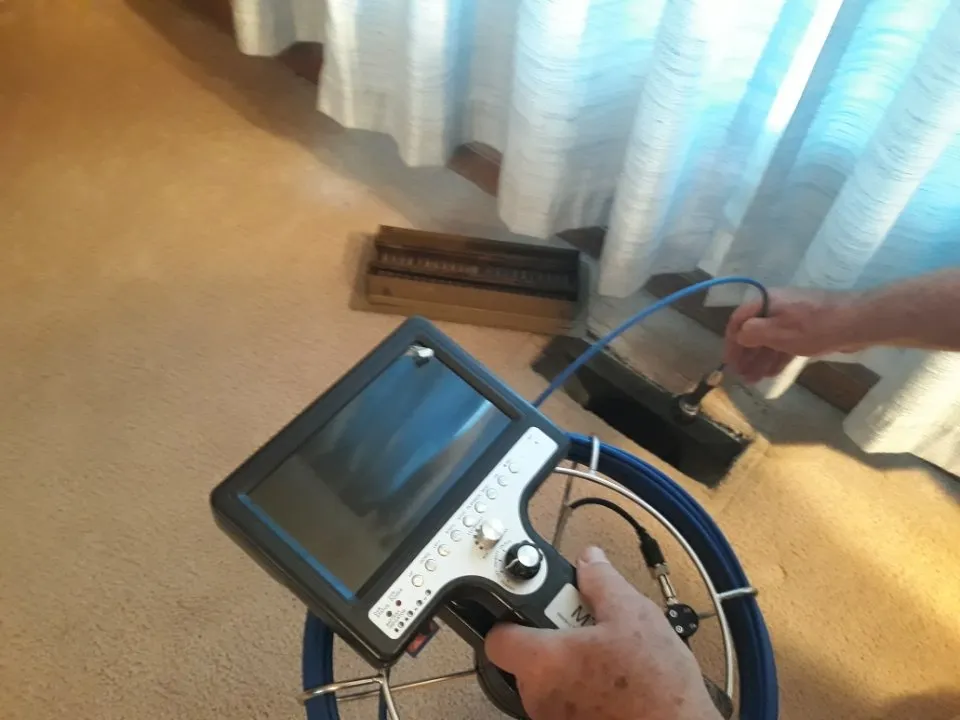
The process involves inserting a small, flexible camera into the ductwork. This camera transmits real-time video to a monitor, allowing the technician to navigate bends and branches within the system. High-resolution images help spot:
- Accumulated dust and debris
- Mold growth or water damage
- Physical damage such as cracks or disconnected joints
- Obstructions or foreign objects
- Pest activity or remnants
Modern inspection cameras often include lighting and the ability to record footage, making it easier to share findings with property owners or maintenance teams.
Comparing Camera Inspection to Traditional Methods
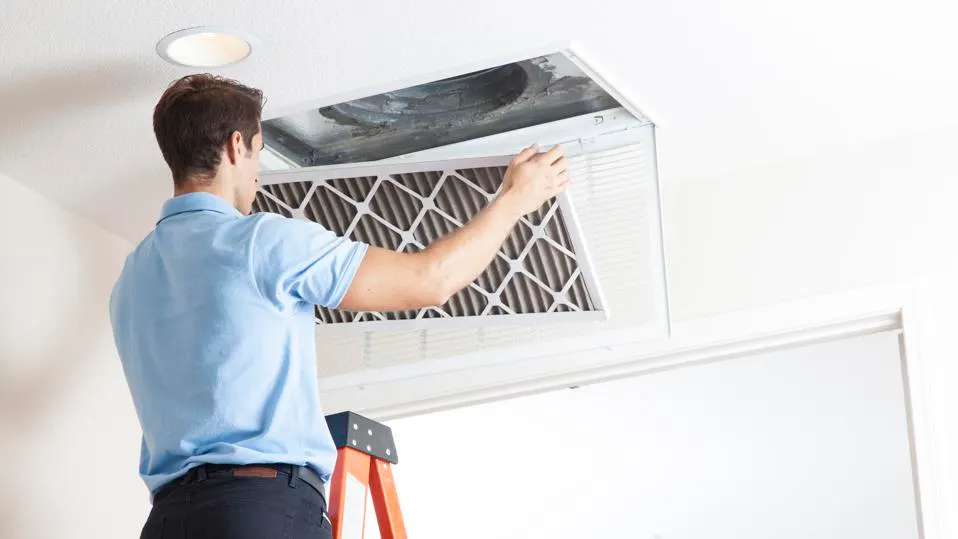
Traditional duct inspections often rely on external observation and guesswork, which can miss hidden problems. In contrast, camera-based assessments provide direct visual evidence, reducing uncertainty and improving decision-making. This is especially valuable in complex or older HVAC systems, where access is limited and issues may be deep within the duct network.
In some cases, combining camera inspection with other advanced cleaning methods, such as the negative air pressure method, ensures a more thorough and effective maintenance outcome.
Signs That Indicate the Need for Duct Camera Inspection
Recognizing the right moment to request a camera-based assessment can save time, money, and frustration. Here are some warning signs and triggers to watch for:
- Sudden increase in allergy symptoms or respiratory issues among building occupants
- Noticeable drop in HVAC efficiency or rising energy bills
- Frequent dust accumulation on surfaces despite regular cleaning
- Recent water leaks, flooding, or fire damage affecting the property
- Unexplained noises or airflow changes from vents
If you’re experiencing any of these issues, a camera inspection can provide the clarity needed to address the root cause and restore optimal system performance.
Integrating Camera Inspections Into a Preventive Maintenance Plan
While not necessary for every routine checkup, periodic camera assessments can be a valuable part of a comprehensive HVAC maintenance strategy. Consider scheduling a visual inspection:
- Every few years, especially in older buildings or those with a history of duct issues
- After major renovations or construction projects
- When moving into a new property with unknown maintenance history
- Following pest infestations or water damage events
Proactive use of this technology helps prevent small problems from escalating, supports better air quality, and extends the life of your HVAC system.
Additional Resources for Duct Maintenance and Inspection
For those interested in learning more about keeping ductwork clean and healthy, consider exploring related topics such as the role of UV lights in duct cleanliness or understanding the symptoms of sick building syndrome from ducts. These resources provide further insight into maintaining a safe and efficient indoor environment.
Frequently Asked Questions
What is a duct camera inspection and how does it work?
A duct camera inspection uses a small, flexible camera inserted into the HVAC ductwork to provide real-time video or images of the interior. This allows technicians to visually assess the condition of the ducts, identify blockages, mold, debris, or damage, and make informed recommendations for cleaning or repairs.
How often should I schedule a camera inspection for my ducts?
The frequency depends on factors such as the age of your HVAC system, history of issues, and environmental conditions. Generally, a camera inspection is recommended every few years, after renovations, or when you notice signs of poor air quality, odors, or reduced system performance.
Can a camera inspection detect all types of duct problems?
While visual inspections are highly effective for spotting debris, mold, blockages, and physical damage, some issues—such as leaks hidden behind insulation or within walls—may require additional diagnostic tools. However, camera technology remains one of the most reliable methods for assessing internal duct conditions.