A well-sealed duct network is essential for maintaining indoor comfort, air quality, and energy efficiency. However, many homeowners are unaware that small leaks or gaps in their ductwork can lead to significant problems over time. Recognizing the signs of a leaky duct system early can help prevent wasted energy, uneven temperatures, and even health concerns. This article will guide you through the most common indicators of duct leakage, why they matter, and what steps you can take to address them.
Before diving into the warning signals, it’s important to understand how ductwork impacts your home’s overall environment. If you’re interested in keeping your airways clean and efficient, you might also want to learn about how to clean insulated ductwork safely for long-term maintenance.
Why Leaky Ducts Are a Problem
Ductwork is responsible for distributing heated or cooled air throughout your living spaces. When leaks develop, conditioned air escapes into attics, crawl spaces, or walls instead of reaching the intended rooms. This not only reduces comfort but also forces your HVAC system to work harder, leading to higher utility bills and unnecessary wear and tear.
In addition, leaky ducts can draw in dust, insulation fibers, and other contaminants, which then circulate through your home. Over time, this can impact indoor air quality and even contribute to symptoms of sick building syndrome from ducts, such as headaches or allergies.
Common Indicators of Duct Leakage
Spotting the signs of a leaky duct system isn’t always straightforward, but there are several red flags to watch for. If you notice any of the following, it may be time to inspect your ductwork or consult a professional.
1. Uneven Temperatures Throughout the Home
One of the most noticeable symptoms is inconsistent heating or cooling between rooms. If certain areas remain too hot or too cold despite thermostat adjustments, escaping air could be the culprit. This often happens when leaks prevent adequate airflow to distant rooms.
2. Higher Than Normal Energy Bills
If your utility costs have increased without a clear reason, duct leaks might be to blame. When air escapes, your HVAC system compensates by running longer cycles, consuming more energy to maintain the desired temperature.
3. Excessive Dust or Musty Odors
Leaks can pull in dust and debris from unconditioned spaces, leading to more frequent dusting and potential respiratory irritation. Musty or stale odors may also indicate that air from attics or crawl spaces is entering your living areas through gaps in the ductwork.
4. Weak Airflow From Vents
If you notice that some vents are blowing less air than others, or airflow seems weak overall, this could point to leaks or disconnected sections of ductwork. Reduced air pressure makes it difficult for your system to deliver consistent comfort.
5. Unusual Noises in the Ducts
Whistling, rattling, or banging sounds coming from your ducts may indicate air escaping through gaps or loose connections. While some noise is normal, persistent or new sounds should not be ignored.
Health and Comfort Concerns
Beyond energy waste, leaky ducts can contribute to poor indoor air quality. Pollutants, allergens, and even mold spores can be drawn into the system and distributed throughout your home. This is especially concerning for individuals with asthma or allergies.
If you’re experiencing unexplained health symptoms, it may be worth exploring the symptoms of sick building syndrome from ducts and considering a duct inspection.
How to Confirm and Address Duct Leaks
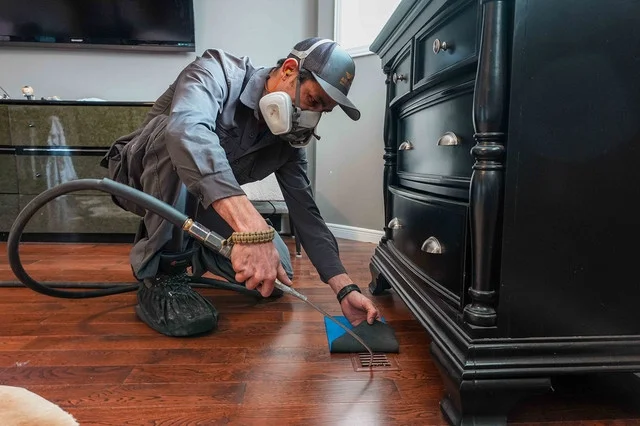
If you suspect your ductwork is compromised, a professional inspection is the most reliable way to confirm leaks. HVAC technicians use specialized tools, such as pressure tests and smoke pencils, to identify problem areas.
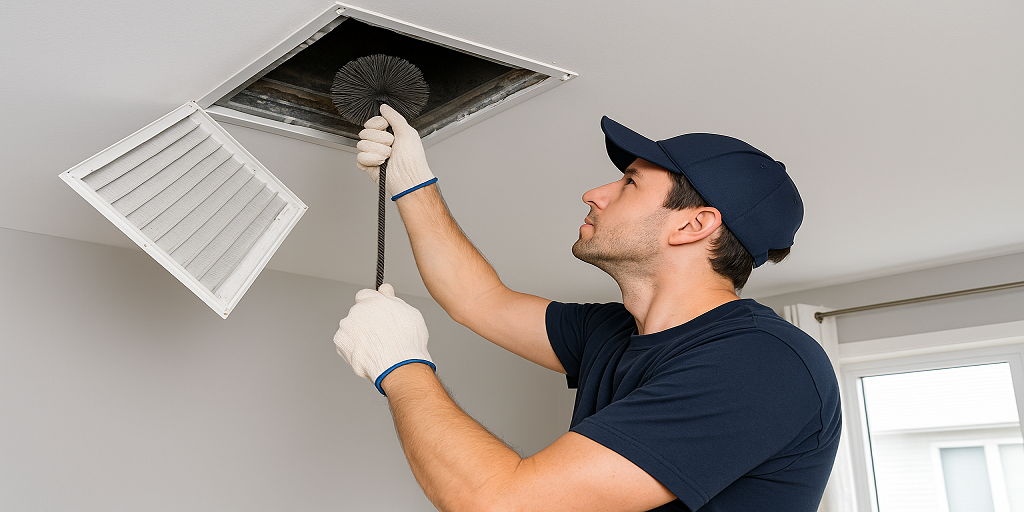
Once leaks are located, sealing options include mastic sealant, foil-backed tape, or even aerosol-based solutions for hard-to-reach areas. In some cases, replacing damaged sections may be necessary. Regular maintenance and cleaning can also help prevent future issues.
Prevention and Maintenance Tips
- Schedule regular inspections: Have your ductwork checked every few years, especially if your home is older or you’ve noticed any of the warning signals.
- Change air filters frequently: Clogged filters can increase pressure in the system, making leaks more likely.
- Seal and insulate ducts: Proper sealing and insulation help prevent both leaks and energy loss.
- Keep ducts clean: Dust and debris buildup can hide leaks and reduce air quality. Learn about the air duct cleaning process to keep your system in top shape.
For those considering more advanced solutions, understanding the role of UV lights in duct cleanliness can offer additional protection against microbial growth inside your ductwork.
When to Call a Professional
While some minor duct repairs can be handled by handy homeowners, significant leaks or hard-to-access areas are best left to professionals. Certified HVAC technicians have the tools and expertise to diagnose and fix leaks safely and effectively. Prompt action can save you money, improve comfort, and protect your indoor air quality.
If you’re planning renovations or major changes to your home, consider these ways to keep ducts clean during remodeling to avoid introducing new leaks or contaminants.
FAQ About Leaky Ductwork
How can I tell if my duct system is leaking?
Common clues include uneven temperatures, higher energy bills, weak airflow, and increased dust. A professional inspection is the most accurate way to confirm leaks.
Can leaky ducts affect my health?
Yes. Leaks can draw in dust, allergens, and even mold spores from unconditioned spaces, which may worsen allergies or respiratory issues.
Is it possible to seal duct leaks myself?
Small, accessible leaks can sometimes be sealed with mastic or foil tape. However, for larger or hidden leaks, or if you’re unsure, it’s best to hire a qualified HVAC technician.
How often should ductwork be inspected?
Most experts recommend an inspection every three to five years, or sooner if you notice any warning signs of leakage or airflow problems.