Maintaining clean air ducts is essential for healthy indoor air quality and efficient HVAC system performance. One of the most effective strategies for minimizing dust buildup in ductwork is the use of high-quality air filters. While dust accumulation in ducts is a common concern for homeowners and facility managers, understanding how filtration works can help prevent many related issues, such as poor air quality, increased allergy symptoms, and higher energy bills.
This article explores the role of air filters in reducing duct dust and provides practical advice for choosing and maintaining filters to keep your ventilation system clean. We’ll also highlight related topics, such as the impact of filter types, maintenance tips, and how filtration fits into a broader duct cleaning strategy.
For those interested in comprehensive duct maintenance, learning about how to clean insulated ductwork safely can further enhance your home’s air quality and system longevity.
Understanding How Air Filters Trap Dust in Duct Systems
Air filters are designed to capture airborne particles before they enter the ductwork and circulate throughout your home or building. Their primary function is to intercept dust, pollen, pet dander, and other contaminants, preventing them from settling in ducts and being redistributed by the HVAC system. The effectiveness of a filter is measured by its Minimum Efficiency Reporting Value (MERV) rating, which indicates the size of particles it can trap.
A higher MERV rating generally means better filtration, but it’s important to choose a filter compatible with your system to avoid airflow restriction. Filters with HEPA (High-Efficiency Particulate Air) standards are among the most efficient, capturing up to 99.97% of particles as small as 0.3 microns.
Why Duct Dust Accumulates and the Impact on Indoor Air Quality
Even with filtration, some dust will inevitably enter the ductwork over time. Factors contributing to dust buildup include leaky ducts, infrequent filter changes, and high indoor activity levels. When dust accumulates, it can affect both the efficiency of your HVAC system and the quality of the air you breathe.
Excessive dust in ducts can lead to:
- Reduced airflow and increased energy consumption
- Aggravation of allergies and respiratory issues
- Unpleasant odors and visible dust on vents
- Potential for mold growth in humid conditions
Addressing these issues starts with understanding the importance of air filters in minimizing duct dust and ensuring they are properly maintained.
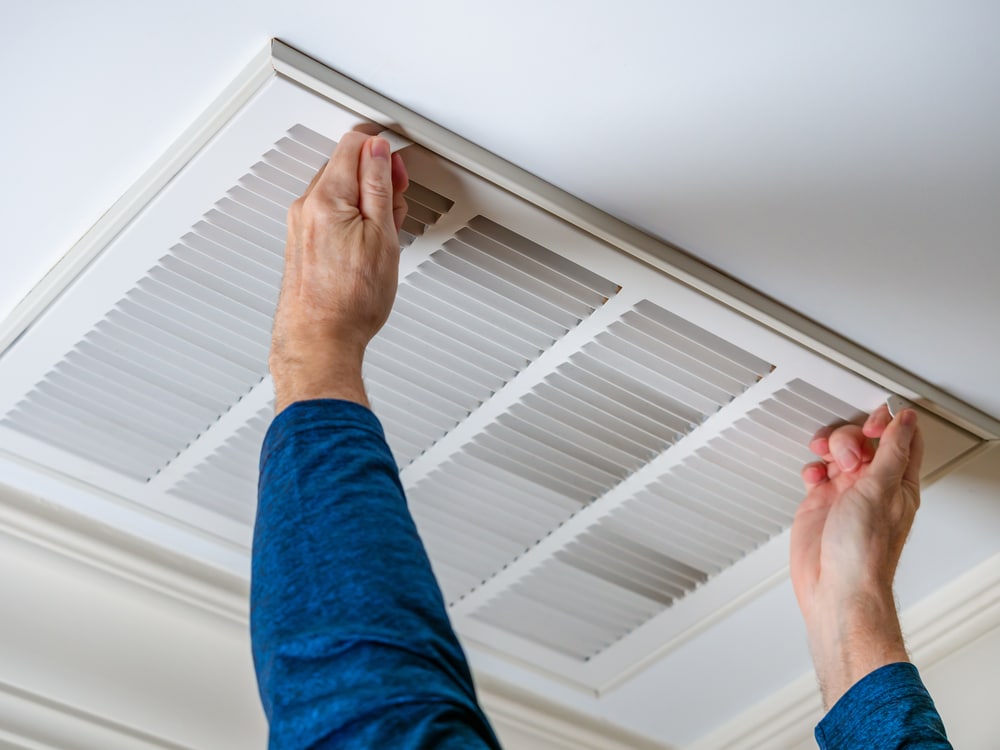
Types of Air Filters and Their Effectiveness Against Duct Dust
There are several types of air filters available, each with unique properties that influence their ability to reduce dust in ductwork:
- Fiberglass filters: Basic and inexpensive, but only capture larger particles. Not ideal for controlling fine dust.
- Pleated filters: Made from polyester or cotton folds, these offer better surface area and can trap smaller particles, making them more effective for dust reduction.
- Electrostatic filters: Use static electricity to attract dust and allergens. Washable and reusable, but efficiency varies by design.
- HEPA filters: The gold standard for filtration, capable of capturing extremely fine particles and significantly reducing dust accumulation in ducts.
Choosing the right filter depends on your system’s compatibility and your indoor air quality needs. For those seeking maximum dust control, investing in a HEPA-grade filter or air scrubber can make a noticeable difference.
Maintenance Tips to Maximize Filter Performance and Dust Control
Regular maintenance is crucial for ensuring that your air filters continue to perform their role in keeping ducts clean. Here are some practical steps:
- Check filters monthly: Especially during peak heating or cooling seasons, inspect your filters for visible dust and debris.
- Replace or clean filters as recommended: Most manufacturers suggest changing disposable filters every 1–3 months. Washable filters should be cleaned according to the manufacturer’s instructions.
- Seal duct leaks: Gaps or holes in ductwork allow unfiltered air (and dust) to bypass the filter. Sealing these leaks helps maintain proper filtration.
- Schedule professional duct cleaning: Even with diligent filter maintenance, periodic cleaning helps remove settled dust and debris from hard-to-reach areas. For DIY tips, see this step-by-step guide to cleaning air ducts yourself.
By following these steps, you can extend the lifespan of your HVAC system, improve indoor air quality, and reduce the frequency of duct cleaning.
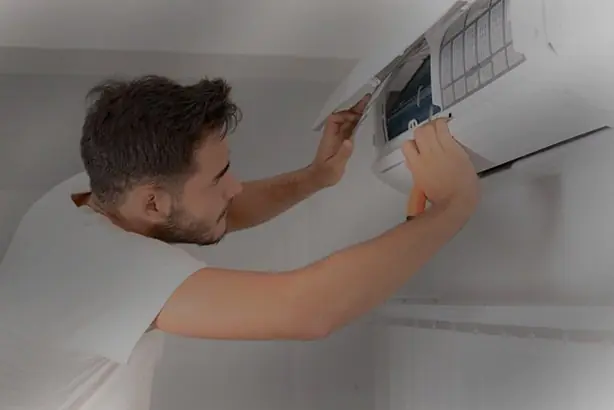
Integrating Air Filtration with Other Duct Cleaning Strategies
While effective filtration is a cornerstone of dust control, it works best when combined with other maintenance practices. For example, using UV lights in your HVAC system can help reduce microbial growth, as discussed in our article on the role of UV lights in duct cleanliness. Additionally, understanding the negative air pressure cleaning method can help you make informed decisions about professional duct cleaning services.
During home renovations or remodeling, dust levels can spike dramatically. Taking proactive steps, such as using high-efficiency filters and sealing off vents, can help keep your system clean. For more tips, check out our guide on ways to keep ducts clean during remodeling.
Finally, be aware of health symptoms that may indicate dirty ducts, such as those described in symptoms of sick building syndrome from ducts. Addressing dust and contaminants early can prevent more serious indoor air quality problems.
Frequently Asked Questions
How often should I change my air filter to prevent dust buildup in ducts?
Most experts recommend changing standard air filters every 1–3 months, depending on usage, filter type, and indoor air quality. Homes with pets, smokers, or high dust levels may require more frequent changes. Always follow the manufacturer’s guidelines for your specific filter.
Can better air filters completely eliminate dust in my ductwork?
While high-quality filters significantly reduce the amount of dust entering ducts, they cannot eliminate it entirely. Some dust will still settle over time, especially if there are leaks or gaps in the ductwork. Combining filtration with regular duct cleaning and maintenance offers the best results.
What type of air filter is best for reducing fine dust and allergens?
HEPA filters are the most effective for capturing fine dust and allergens. Pleated filters with a high MERV rating also perform well. However, it’s important to ensure your HVAC system can handle the airflow resistance of higher-efficiency filters.
Conclusion
The role of air filters in reducing duct dust is critical for maintaining a healthy, efficient, and comfortable indoor environment. By selecting the right filter, maintaining it regularly, and integrating it with other duct cleaning strategies, you can minimize dust accumulation, protect your HVAC system, and improve air quality for everyone in your space.