Electric wall heaters are a practical solution for keeping rooms warm during colder months, but over time, they can accumulate dust and debris. This buildup not only reduces heating efficiency but can also pose a fire risk and degrade indoor air quality. Learning how to remove dust from electric wall heaters safely is essential for maintaining both the performance of your heater and the safety of your home.
Regular cleaning helps extend the life of your unit and ensures that it operates efficiently. Before you begin, it’s important to understand the correct procedures and safety precautions to avoid damaging your heater or exposing yourself to electrical hazards. For those interested in broader air quality maintenance, you might also want to learn about ways to minimize dust during duct cleaning as part of your overall home care routine.
Why Dust Accumulates in Wall-Mounted Heaters
Wall heaters draw in air from the room, and with it, dust, pet hair, and other airborne particles. Over time, these particles settle on the heating elements and internal components. The accumulation is often worse in homes with pets, high foot traffic, or inadequate air filtration. Not only does this buildup reduce the heater’s efficiency, but it can also cause unpleasant odors when the unit is in use and, in severe cases, become a fire hazard.
Regular maintenance is key to preventing these issues and ensuring your heater operates safely and efficiently throughout the heating season.
Essential Safety Precautions Before Cleaning
Before attempting to clean any electric appliance, especially a wall heater, safety should be your top priority. Here are the steps you must follow:
- Turn Off Power: Always switch off the heater and disconnect it from the power source. If the unit is hardwired, turn off the circuit breaker that controls the heater.
- Allow Cooling: Wait until the heater has completely cooled down before starting any cleaning. Heating elements can remain hot for a while after use.
- Read the Manual: Consult the manufacturer’s instructions for any specific cleaning recommendations or warnings.
- Gather Supplies: You’ll need a vacuum with a brush attachment, a soft cloth, a small brush (like a paintbrush), and optionally, a can of compressed air for hard-to-reach spots.
Step-by-Step Guide to Removing Dust from Electric Wall Heaters
Follow these steps to safely and effectively remove dust from your wall-mounted electric heater:
- Power Down and Prepare: Ensure the heater is off and cool. Lay down a towel or drop cloth to catch any falling dust.
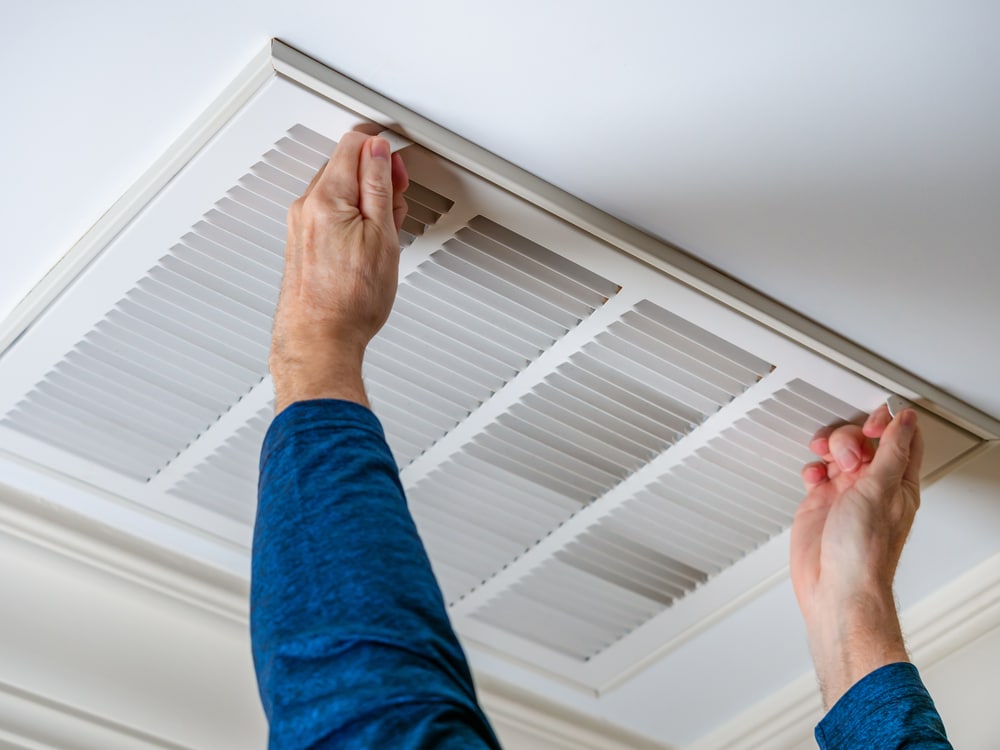
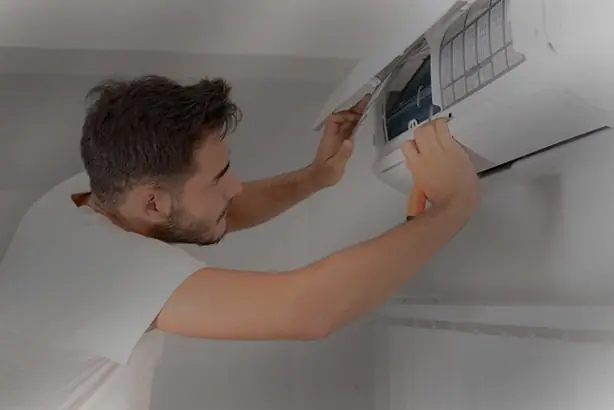
- Remove the Cover: Most wall heaters have a front cover secured with screws or clips. Carefully remove the cover and set it aside.
- Vacuum Loose Dust: Use the vacuum’s brush attachment to gently remove dust from the heater’s interior, focusing on the heating elements and fan (if present). Avoid using excessive force to prevent damaging delicate components.
- Brush Away Stubborn Debris: For dust that won’t vacuum up, use a small, soft brush to dislodge it. A can of compressed air can help blow out dust from tight spaces, but use short bursts to avoid scattering debris.
- Wipe Down Surfaces: With a slightly damp (not wet) cloth, wipe the exterior and any accessible non-electrical parts. Never use water directly on electrical components.
- Clean the Cover: Wash the front cover with warm, soapy water if it’s especially dirty. Dry it thoroughly before reattaching.
- Reassemble and Test: Once everything is clean and dry, reattach the cover, restore power, and test the heater to ensure it’s working properly.
Tips for Keeping Wall Heaters Dust-Free Longer
After you’ve learned the best way to clear dust from your electric heater, consider these tips to keep it cleaner for longer:
- Regular Dusting: Wipe the exterior of the heater weekly to prevent dust from entering the unit.
- Vacuum Nearby Floors: Dust and debris on the floor can easily be drawn into the heater. Vacuuming regularly reduces this risk.
- Use Air Purifiers: Devices with HEPA filters can help capture airborne dust before it settles on or inside your heater. For those looking to improve air quality further, consider investing in a HEPA air scrubber.
- Seal Gaps: Ensure windows and doors are properly sealed to minimize dust entering from outside.
When to Seek Professional Cleaning or Maintenance
While most homeowners can handle basic dust removal, there are situations where professional help is recommended:
- The heater emits a persistent burning smell even after cleaning.
- There is visible damage, corrosion, or frayed wiring inside the unit.
- You’re uncomfortable working with electrical appliances or the heater is hardwired and difficult to access.
- The heater hasn’t been serviced in several years.
Professional technicians can perform a thorough inspection and cleaning, ensuring all components are safe and functional. They can also identify issues like poor duct design or airflow problems that may affect your heater’s performance.
Additional Resources for Cleaner Indoor Air
Maintaining clean electric heaters is just one aspect of keeping your home’s air healthy. For those interested in DIY solutions, you can explore how to clean air ducts yourself for a deeper clean throughout your ventilation system. Addressing dust at its source and ensuring all air pathways are clear can significantly reduce the amount of debris that ends up in your heater.
For specific areas, such as garages or crawl spaces, targeted guides like how to clean ventilation in a garage or how to clean vents in a crawl space can provide step-by-step instructions tailored to those environments.
FAQ
How often should I clean my electric wall heater?
It’s best to clean your wall heater at least once before the start of the heating season and again midway through, especially if you notice dust buildup or reduced efficiency. Homes with pets or high dust levels may require more frequent cleaning.
Is it safe to use water or cleaning sprays inside the heater?
No, you should never use water or liquid cleaners directly on electrical components. Only use a slightly damp cloth for the exterior and ensure all parts are completely dry before reassembling and powering up the heater.
What should I do if my heater smells like burning dust after cleaning?
A faint burning smell is common the first time you use the heater after cleaning, as any remaining dust burns off. However, if the odor persists or is strong, turn off the heater and inspect it for leftover debris or signs of damage. If in doubt, contact a professional for a thorough inspection.