After a pest control treatment, many homeowners and facility managers wonder if their air ducts are truly free of pests and the debris they leave behind. This is where a duct camera inspection after pest control becomes invaluable. Using specialized cameras, professionals can visually confirm the condition of your ductwork, ensuring that pests and their remnants are completely removed and that your indoor air quality is restored.
Understanding the process and benefits of this inspection can help you make informed decisions about maintaining a healthy and efficient HVAC system. If you manage a commercial property, such as a restaurant or data center, you may also want to explore related topics like duct camera inspection for data centers for more specialized guidance.
Why Air Ducts Need Inspection After Pest Treatments
Pest infestations in ductwork can cause significant problems, from spreading allergens to damaging HVAC components. Even after a successful pest control service, residues such as droppings, nests, or dead insects may remain hidden inside the ducts. These remnants can compromise air quality and create ongoing health risks. A thorough duct camera inspection after pest control allows technicians to verify that all contaminants are gone and that no new issues have developed.
In addition to health concerns, pests can physically damage duct linings, insulation, and seals. Detecting these issues early helps prevent costly repairs and ensures your HVAC system operates efficiently. For those curious about scheduling, you can learn more about how often to perform duct camera inspection to keep your system in top condition.
How a Duct Camera Inspection Works
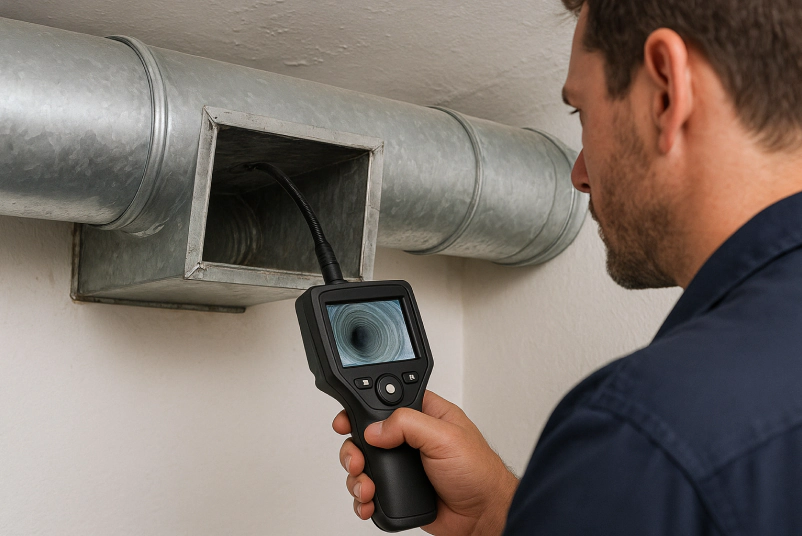
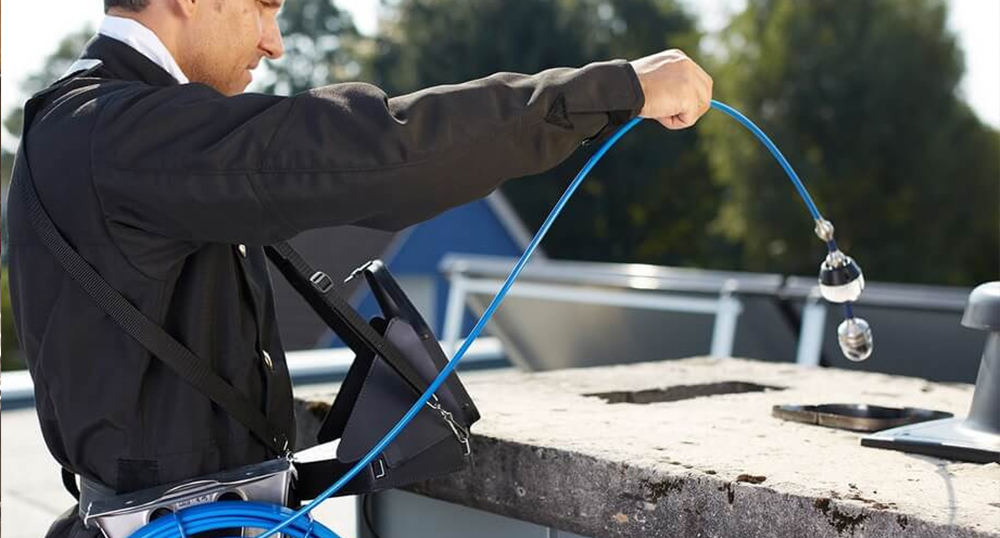
The process involves inserting a high-resolution camera, often mounted on a flexible rod, into the duct system. This camera transmits real-time video to a monitor, allowing the technician and property owner to see inside the ducts. The inspection covers all accessible areas, highlighting any remaining pest debris, blockages, or damage.
- Visual confirmation of pest removal and cleanliness
- Detection of hidden nests, droppings, or carcasses
- Identification of physical damage to ductwork
- Documentation for insurance or regulatory purposes
By using this technology, professionals can provide clear evidence of the duct’s condition and recommend any further cleaning or repairs if needed. This approach is particularly valuable in commercial settings, where compliance and documentation are critical.
Key Benefits of Post-Pest Control Duct Camera Assessments
Investing in a duct camera inspection after pest control offers several important advantages:
- Peace of mind: Visual proof that pests and contaminants are gone, reducing anxiety about lingering problems.
- Improved air quality: Ensures that allergens and pathogens are not circulating through your home or business.
- Early detection of damage: Spotting chewed wires, torn insulation, or compromised seals before they lead to bigger issues.
- Cost savings: Prevents unnecessary repairs and repeated pest treatments by addressing root causes.
- Documentation: Provides a visual record for property managers, insurance claims, or regulatory compliance.
For businesses in regulated industries, such as food service, maintaining clean and pest-free ducts is essential. If you operate a restaurant, you may find it helpful to review duct camera inspection for restaurants for industry-specific considerations.
When to Schedule a Duct Camera Inspection
Timing is crucial. Ideally, the inspection should take place soon after pest control services are completed, but before the HVAC system is put back into regular use. This ensures that any remaining contaminants are identified and removed before they can circulate throughout the building.
Some situations that warrant immediate inspection include:
- Visible signs of pests near vents or registers
- Unexplained odors coming from the ductwork
- Recent or recurring infestations
- Health complaints from building occupants
- Regulatory or insurance requirements
For ongoing maintenance, establishing a duct camera inspection maintenance schedule can help prevent future infestations and keep your system running efficiently.
What to Expect During the Inspection Process
A qualified technician will arrive with a specialized camera system and explain the process. The inspection typically takes between 30 minutes and two hours, depending on the size and complexity of the ductwork. The technician will insert the camera into various access points, capturing images and video of the interior surfaces.
After the inspection, you’ll receive a detailed report, often with photos or video clips. If any issues are found—such as pest remains, mold, or damage—the technician will recommend next steps, which may include cleaning, repairs, or additional pest control measures.
Professional Standards and Best Practices
Not all duct inspections are created equal. It’s important to choose a provider who follows industry best practices and uses up-to-date equipment. The NADCA guide for new technicians offers helpful insights into what a thorough inspection should include and the standards reputable companies should meet.
Look for technicians who are certified, insured, and willing to share inspection footage and findings. Clear communication and transparency are key to ensuring you get the full benefit of the service.
Common Findings and Next Steps
During a duct camera inspection after pest control, technicians may discover:
- Leftover pest debris, such as droppings or nesting materials
- Structural damage to duct linings or insulation
- Mold or mildew growth due to moisture from pest activity
- Obstructions that could affect airflow or system efficiency
Depending on the findings, recommended actions may include duct cleaning, sealing, repairs, or additional pest management. Promptly addressing these issues helps maintain a safe and healthy environment.
FAQ: Duct Camera Inspections After Pest Control
How soon after pest control should I schedule a duct camera inspection?
It’s best to arrange the inspection within a few days after pest treatment. This allows any remaining residues or damage to be identified and addressed before the HVAC system is used again.
Is a duct camera inspection necessary if I don’t see any pests?
Even if pests are not visible, they may have left behind droppings, nests, or damage inside the ducts. A camera inspection provides visual confirmation that the system is clean and safe.
Can this inspection help with insurance or regulatory compliance?
Yes, the documentation and images from the inspection can support insurance claims and demonstrate compliance with health or safety regulations, especially in commercial settings.
What should I look for in a duct inspection provider?
Choose a company with certified technicians, modern camera equipment, and a reputation for transparency. Ask for a detailed report and, if possible, video or photo evidence of the inspection.