Maintaining a healthy and safe learning environment is a top priority for educational facilities. One often overlooked aspect of campus health is the condition of HVAC systems and air ducts. Duct camera inspection for schools and universities is an advanced method that allows facility managers to assess the internal state of ductwork without invasive procedures. This approach not only supports better indoor air quality but also helps with compliance, energy efficiency, and long-term cost savings.
In this article, we’ll explore how camera-based duct inspections work, why they’re especially important for educational institutions, and what administrators and maintenance teams should expect from the process. We’ll also discuss how these inspections fit into broader maintenance schedules and regulatory requirements.
For those interested in regulatory aspects, you can find a detailed explanation of duct camera inspection for code compliance and how it applies to institutional settings.
Why Educational Facilities Need Advanced Duct Inspections
Schools and universities are unique environments where hundreds or thousands of people gather daily. The quality of air circulating through classrooms, lecture halls, and common areas directly impacts student health and academic performance. Over time, air ducts can accumulate dust, mold, allergens, and even pests, all of which can compromise air quality.
Traditional inspection methods often miss hidden issues deep within ductwork. Duct camera inspection for schools leverages specialized cameras to provide a real-time, high-definition view of the entire duct system. This technology helps maintenance teams identify blockages, leaks, microbial growth, and structural damage that would otherwise go unnoticed.
How Camera-Based Duct Inspections Work
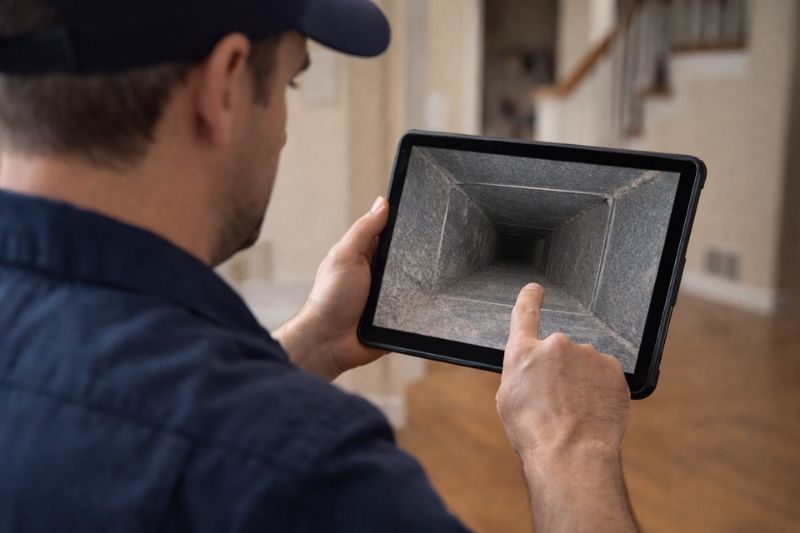
The process starts with inserting a flexible, high-resolution camera into the ductwork. The camera transmits live video to a monitor, allowing technicians to navigate bends and junctions while documenting the condition of the interior surfaces. This footage can be recorded for later review or for sharing with facility managers and regulatory bodies.
Key steps in a typical inspection include:
- Initial assessment of HVAC system layout and access points
- Insertion of the camera and systematic exploration of duct branches
- Identification of debris, microbial growth, or physical damage
- Documentation of findings with video and still images
- Preparation of a detailed inspection report with recommendations
This non-destructive approach minimizes disruption to school operations and provides actionable insights for maintenance planning.
Benefits of Duct Camera Inspection for Schools and Universities
Implementing regular camera-based inspections offers several advantages for educational institutions:
- Improved Indoor Air Quality: Early detection of dust, mold, and contaminants helps maintain a healthier environment for students and staff.
- Energy Efficiency: Identifying and addressing blockages or leaks can enhance HVAC performance, reducing energy consumption and costs.
- Regulatory Compliance: Many jurisdictions require periodic inspection and cleaning of air ducts in public buildings. Camera inspections provide clear documentation for compliance audits.
- Preventive Maintenance: Spotting minor issues before they escalate can prevent costly repairs and extend the lifespan of HVAC systems.
- Transparency and Accountability: Recorded footage and reports offer transparency for administrators, parents, and regulatory agencies.
Integrating Duct Inspections Into Maintenance Schedules
For optimal results, duct inspections should be part of a comprehensive maintenance plan. The frequency of these checks depends on factors such as building age, usage patterns, and local air quality. Many experts recommend annual or biannual inspections for schools, with more frequent checks in high-traffic or high-risk areas.
To learn more about recommended intervals, see this resource on how often to perform duct camera inspection.
Scheduling inspections during school breaks or low-occupancy periods can further reduce disruption. Maintenance teams should coordinate with HVAC professionals to ensure inspections are thorough and that any recommended cleaning or repairs are promptly addressed.
What to Expect During a School Duct Inspection
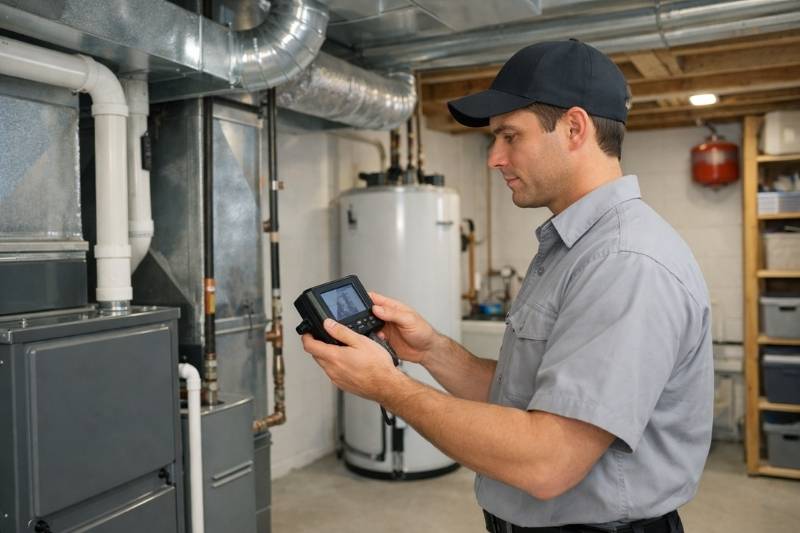
When scheduling a camera-based duct assessment, schools can expect a process designed to minimize classroom disruption. Technicians will typically:
- Review building plans and identify key access points
- Set up equipment in a way that avoids interference with daily activities
- Conduct the inspection, often after hours or during breaks
- Share findings and recommendations with facility managers
The resulting reports often include video evidence, annotated images, and prioritized action items. This transparency helps administrators make informed decisions about cleaning, repairs, or upgrades.
Choosing the Right Inspection Partner
Selecting a qualified provider is essential. Look for companies with experience in educational settings, up-to-date equipment, and a strong track record of thorough reporting. Providers should follow industry standards such as those outlined in the duct camera inspection NADCA guidelines to ensure inspections meet professional benchmarks.
For a deeper understanding of the technology behind these inspections and its impact on HVAC maintenance, explore this article on the revolutionary role of air duct cameras in HVAC inspections.
Frequently Asked Questions
How often should educational facilities schedule duct camera inspections?
Most experts recommend that schools and universities conduct camera-based duct inspections at least once a year. However, facilities with older HVAC systems, high occupancy, or a history of air quality issues may benefit from more frequent assessments.
What issues can be detected with a duct camera inspection?
These inspections can reveal dust buildup, mold growth, pest infestations, physical damage, and blockages. Early detection allows for prompt remediation, improving air quality and system efficiency.
Is the inspection process disruptive to school operations?
Camera-based inspections are minimally invasive and can often be scheduled during off-hours or school breaks. Technicians work efficiently to avoid interfering with classes or activities, making this approach ideal for busy educational environments.
Conclusion
Proactive duct inspections using camera technology are a smart investment for schools and universities. They help ensure a safe, healthy, and efficient learning environment while supporting compliance and long-term cost savings. By integrating these inspections into regular maintenance routines and working with qualified professionals, educational institutions can protect their communities and extend the life of their HVAC systems.