Indoor air quality is a growing concern for many households, especially for those dealing with allergies and sensitivities. Dust, pollen, mold spores, and other contaminants can accumulate in air ducts, making symptoms worse for sensitive individuals. Traditional cleaning methods may not always reveal the full extent of the problem inside ductwork. This is where duct camera inspection for allergies becomes a valuable tool, offering a clear, visual assessment of what’s lurking within your HVAC system.
By using specialized cameras, professionals can identify hidden sources of allergens and determine the best course of action for cleaning and maintenance. If you’re interested in more ways to protect your indoor air, learning about the how to clean insulated ductwork safely can further support a healthier home environment.
Why Visual Inspections Matter for Sensitive Individuals
For people with allergies, asthma, or chemical sensitivities, even small amounts of dust or mold in the air can trigger symptoms. Air ducts are often out of sight, making it difficult to know when they need attention. A duct camera inspection for allergies provides a real-time look inside the system, helping to pinpoint problem areas that may otherwise go unnoticed.
Unlike surface cleaning or guesswork, camera inspections allow professionals to:
- Identify visible mold growth, dust buildup, and debris inside ducts
- Locate pest infestations or moisture problems contributing to allergen growth
- Document before-and-after conditions to ensure cleaning effectiveness
- Target cleaning efforts for maximum impact on air quality
How Duct Camera Technology Works
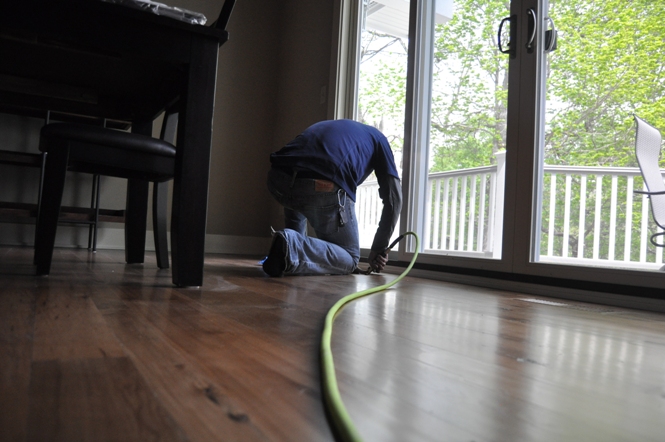
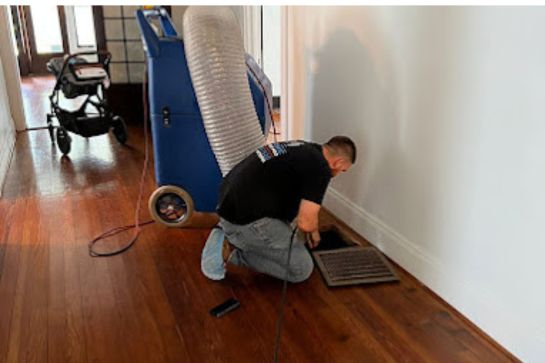
The process involves inserting a small, high-resolution camera attached to a flexible cable into the duct system. The technician guides the camera through the network of ducts, viewing the live feed on a monitor. This technology makes it possible to inspect hard-to-reach areas, bends, and junctions where dust and allergens tend to collect.
Key features of modern duct cameras include:
- LED lighting for clear visibility in dark spaces
- 360-degree rotation for comprehensive coverage
- Recording capabilities for documentation and review
- Real-time feedback to guide cleaning and repairs
By using this approach, professionals can develop a targeted cleaning plan, addressing only the areas that truly need attention and avoiding unnecessary disruption.
Common Allergens Found in Ductwork
Air ducts can harbor a variety of contaminants that may aggravate allergies and sensitivities. During a duct camera inspection for allergies, technicians often encounter:
- Dust and dust mites: Accumulate over time, especially if filters are not changed regularly.
- Mold and mildew: Thrive in damp or humid conditions, often hidden in unseen duct sections.
- Pollen: Can enter the system from open windows or doors and circulate throughout the home.
- Pet dander: Sticks to duct surfaces and is difficult to remove without thorough cleaning.
- Pest debris: Rodents or insects may leave droppings, fur, or nests inside ducts.
Identifying these contaminants is crucial for developing an effective cleaning strategy and reducing exposure for sensitive individuals.
Benefits of Camera-Based Duct Assessments for Allergy Sufferers
There are several advantages to choosing camera inspections when managing allergies:
- Accurate diagnosis: Visual evidence helps confirm the presence and location of allergens.
- Efficient cleaning: Technicians can focus on problem spots, saving time and minimizing disruption.
- Peace of mind: Homeowners can see the condition of their ducts before and after cleaning, ensuring the job is done right.
- Preventative maintenance: Early detection of issues like leaks or mold growth can prevent bigger problems down the line.
For those with severe sensitivities, this approach can be paired with other strategies such as HEPA filtration, regular filter changes, and even advanced solutions like the role of UV lights in duct cleanliness to further reduce airborne triggers.
When to Schedule a Duct Camera Inspection
Not every home requires frequent camera inspections, but certain situations make them especially valuable:
- Persistent allergy symptoms despite regular cleaning
- Visible dust or debris coming from vents
- Recent water damage or suspected mold growth
- After home renovations or construction projects
- Moving into a new home with an unknown maintenance history
If you notice any of these signs, scheduling a professional assessment can help identify hidden problems and guide effective remediation.
Integrating Camera Inspections with a Complete Allergy Management Plan
While visual inspections are a powerful tool, they work best as part of a broader approach to indoor air quality. Combining camera-based assessments with regular HVAC maintenance, filter changes, and cleaning methods such as the understanding the negative air pressure method can significantly reduce allergen levels in your home.
For those experiencing unexplained symptoms, it’s also worth exploring the symptoms of sick building syndrome from ducts to better understand potential sources of discomfort.
For more in-depth information on the process, the home guide to air duct inspection provides a detailed look at what to expect and how to prepare for a professional evaluation.
Maintaining Clean Ducts After Inspection
Once problem areas have been identified and addressed, ongoing maintenance is key to preventing future buildup. Here are some practical steps to keep your ducts—and your air—clean:
- Change HVAC filters every 1–3 months, or as recommended by the manufacturer
- Schedule regular professional cleanings, especially if you have pets or live in a dusty area
- Seal leaks and insulate ducts to prevent moisture intrusion and dust entry
- Keep vents and registers clean and unobstructed
- Monitor humidity levels to discourage mold growth
During home improvement projects, consider these ways to keep ducts clean during remodeling to avoid introducing new contaminants into your HVAC system.
FAQ
How often should I have my ducts inspected with a camera if I have allergies?
For most households, a camera inspection every 3–5 years is sufficient. However, if you notice persistent allergy symptoms, recent water damage, or visible dust from vents, it’s wise to schedule an inspection sooner. Homes with pets, smokers, or recent renovations may also benefit from more frequent assessments.
Can a duct camera inspection detect all types of allergens?
While camera inspections are excellent for spotting visible contaminants like dust, mold, and debris, they may not detect microscopic allergens or chemical residues. For a comprehensive approach, pair visual inspections with air quality testing and regular filter changes.
Is duct cleaning always necessary after a camera inspection?
Not always. If the inspection reveals minimal buildup or no visible contaminants, a full cleaning may not be required. However, if mold, dust, or pest debris is found, targeted cleaning is highly recommended to improve air quality and reduce allergy triggers.