Many homeowners and building managers focus on the visible parts of their HVAC systems, but the hidden ductwork plays a crucial role in overall performance. When air ducts accumulate dust, debris, and other contaminants, the consequences go beyond just indoor air quality. The impact of dirty ducts on energy efficiency can be significant, leading to higher utility bills and unnecessary strain on heating and cooling equipment.
Understanding how neglected ductwork affects energy use is essential for anyone looking to reduce costs and maintain a comfortable indoor environment. This article explores the ways in which buildup inside ducts can undermine system efficiency, increase expenses, and even shorten the lifespan of HVAC components.

For those interested in advanced cleaning methods, learning about the understanding the negative air pressure method can offer insights into effective duct maintenance.
How Dirty Ducts Affect HVAC Performance
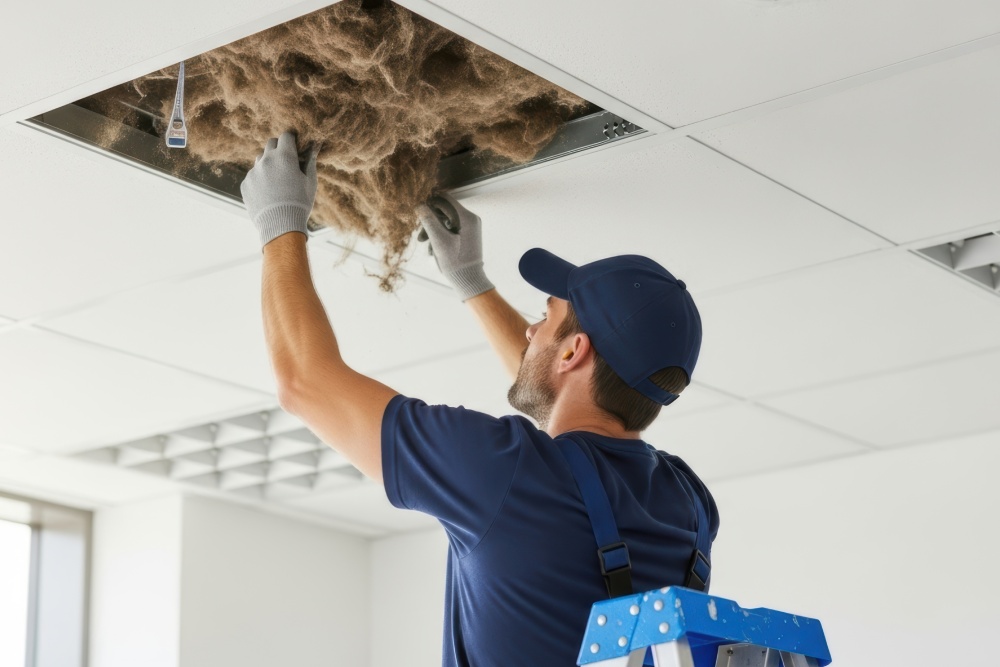
Over time, dust, pet dander, pollen, and even mold can accumulate inside ductwork. As this buildup grows, it restricts airflow, forcing the HVAC system to work harder to maintain the desired temperature. This increased workload leads to higher energy consumption and, ultimately, elevated utility bills.
The presence of debris in ducts can also cause uneven heating or cooling throughout a building. Some rooms may feel stuffy or too cold, while others remain comfortable. This imbalance often prompts occupants to adjust the thermostat more frequently, which further drives up energy usage.
Signs That Ducts Are Compromising Efficiency
Recognizing the warning signs of inefficient ductwork can help prevent escalating costs. Common indicators include:
- Noticeable dust buildup around vents and registers
- Unexplained spikes in energy bills
- Frequent HVAC cycling or longer running times
- Musty or unpleasant odors when the system operates
- Visible mold growth inside ducts or near vents
If any of these symptoms are present, it may be time to consider a thorough duct inspection and cleaning. Addressing these issues promptly can restore optimal airflow and reduce unnecessary energy consumption.
The Link Between Duct Cleanliness and Energy Costs
The relationship between duct hygiene and energy expenses is direct. When ducts are clogged, the HVAC system must use more power to push air through the obstructions. According to industry estimates, dirty ductwork can reduce system efficiency by up to 20%. This means that a significant portion of the energy used is wasted, translating to higher monthly bills.
In addition to increased energy use, dirty ducts can cause premature wear and tear on system components. Motors, fans, and filters may require more frequent replacement, adding to the overall cost of ownership.
Factors That Worsen Duct Contamination
Several conditions can accelerate the accumulation of debris in ductwork, further reducing energy efficiency:
- Poor filtration: Low-quality or clogged filters allow more dust and particles to enter the ducts.
- High humidity: Moisture encourages mold growth, which can spread throughout the system.
- Pet ownership: Pet hair and dander quickly build up, especially in homes with multiple animals.
- Recent renovations: Construction dust and debris often find their way into the duct system.
- Lack of regular maintenance: Infrequent inspections and cleanings allow problems to go unnoticed.
Addressing these factors can help maintain cleaner ducts and support better energy performance.
Improving Energy Efficiency Through Duct Maintenance
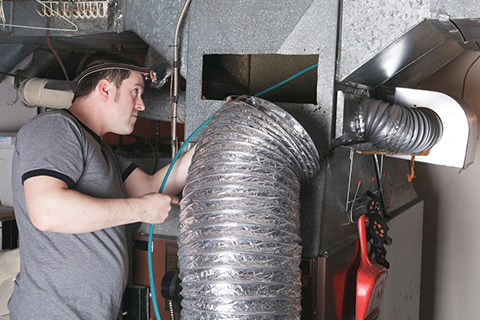
Regular duct cleaning is one of the most effective ways to restore and preserve HVAC efficiency. By removing accumulated dust, mold, and other contaminants, airflow is improved and the system can operate at its intended capacity.
In addition to professional cleaning, homeowners can take steps to prevent future buildup. Using high-efficiency filters, sealing leaks, and scheduling periodic inspections all contribute to a healthier and more efficient system. For those with insulated ductwork, following best practices for how to clean insulated ductwork safely can further enhance results.
DIY Duct Cleaning: What to Know
While some basic maintenance can be performed by homeowners, such as replacing filters and vacuuming accessible vents, deep cleaning of ductwork is best left to professionals. Specialized equipment is required to reach all areas and ensure thorough removal of contaminants.
For those considering a do-it-yourself approach, it’s important to understand the limitations. Attempting to clean ducts without the right tools can stir up dust and potentially damage the system. For a detailed breakdown of what’s involved, see this guide on cleaning air ducts yourself.
Additional Benefits of Clean Ductwork
Beyond energy savings, maintaining clean ducts offers several other advantages:
- Improved indoor air quality: Reduces allergens, dust, and pollutants circulating in the air.
- Extended equipment lifespan: Less strain on HVAC components means fewer repairs and replacements.
- Enhanced comfort: Consistent airflow ensures even heating and cooling throughout the space.
- Reduced risk of health issues: Cleaner air can help prevent symptoms of sick building syndrome from ducts, such as headaches and respiratory irritation.
For more on health-related impacts, explore the symptoms of sick building syndrome from ducts and how to address them.
Preventive Steps for Maintaining Duct Efficiency
Proactive measures can help keep ductwork clean and systems running efficiently:
- Change HVAC filters regularly, using high-efficiency options when possible.
- Schedule professional duct inspections and cleanings every 3–5 years, or more often if needed.
- Seal any leaks or gaps in ductwork to prevent dust infiltration and energy loss.
- Keep vents and registers clear of obstructions like furniture or drapes.
- Consider installing UV lights in the system to inhibit microbial growth, as discussed in the role of UV lights in duct cleanliness.
- During home renovations, take steps to protect ducts from construction debris. See these ways to keep ducts clean during remodeling for practical tips.
FAQs About Duct Cleanliness and Energy Efficiency
How often should air ducts be cleaned to maintain optimal energy efficiency?
Most experts recommend professional duct cleaning every 3–5 years. However, homes with pets, allergies, or recent renovations may require more frequent service. Regular inspections can help determine the right schedule for your situation.
Can dirty ducts really increase my energy bills significantly?
Yes, clogged or contaminated ductwork can reduce HVAC efficiency by up to 20%, leading to noticeably higher utility costs. Keeping ducts clean ensures that your system doesn’t have to work harder than necessary to maintain comfort.
Are there any health risks associated with dirty ductwork?
Accumulated dust, mold, and allergens in ducts can contribute to poor indoor air quality and may trigger respiratory issues, allergies, or symptoms of sick building syndrome. Clean ducts support a healthier living environment.