Maintaining a clean and healthy indoor environment is essential for every household. One of the most overlooked aspects of home health is the cleanliness of your heating, ventilation, and air conditioning (HVAC) system. Proper HVAC hygiene directly impacts the well-being of your family, influencing everything from respiratory comfort to allergy management. This article provides practical steps and expert recommendations to help you safeguard your home’s air quality and promote overall wellness.
Many families focus on surface cleaning but forget that air ducts and HVAC components can harbor dust, mold, and allergens. Addressing these hidden sources of contamination is crucial for reducing health risks and ensuring a safe living space. If you’re interested in advanced cleaning methods, you may want to learn about the understanding the negative air pressure method for ductwork, which is especially effective for thorough system maintenance.
Why Clean HVAC Systems Matter for Family Health
The air you breathe indoors can be more polluted than outdoor air, especially when HVAC systems are neglected. Dust, pollen, pet dander, and even mold spores can accumulate in ducts and filters. When the system runs, these particles circulate throughout your home, potentially triggering allergies, asthma, and other respiratory issues. Children, elderly family members, and those with compromised immune systems are particularly vulnerable.
According to experts, poor indoor air quality can contribute to a range of symptoms, including headaches, fatigue, and irritation of the eyes, nose, or throat. If you notice these issues, it may be a sign that your home’s air needs attention. For more details on how air quality affects health, check out this comprehensive overview of indoor air quality symptoms.
Essential Steps for Maintaining HVAC Hygiene
Keeping your HVAC system clean doesn’t have to be complicated. By following a few key practices, you can significantly improve indoor air quality and support your family’s wellness. Here are some essential steps:
- Change air filters regularly: Replace filters every 1–3 months, or as recommended by your system’s manufacturer. High-efficiency particulate air (HEPA) filters are especially effective at trapping allergens.
- Schedule professional duct cleaning: Periodic cleaning by certified technicians removes built-up dust, debris, and microbial growth from ducts and vents.
- Control humidity: Use dehumidifiers or your HVAC’s humidity controls to keep levels between 30–50%, discouraging mold and dust mite growth.
- Inspect for mold and leaks: Regularly check for visible mold, musty odors, or water leaks around HVAC components. Address issues promptly to prevent contamination.
- Keep vents and registers clean: Wipe down grilles and ensure they are not blocked by furniture or drapes.

Reducing Allergens and Improving Air Quality
For families with allergy sufferers, managing airborne triggers is a top priority. Dust mites, pollen, and pet dander can all accumulate in HVAC systems, making routine maintenance essential. Using HEPA or electrostatic filters can dramatically reduce the presence of these particles in your home’s air.
In addition to filter upgrades, consider using anti-mold sprays designed for HVAC components. These products help prevent microbial growth in hard-to-reach areas, such as coils and drip pans. For more in-depth cleaning, you might also explore the how to clean insulated ductwork safely to address insulation-related contaminants.
Keeping windows closed during high pollen seasons and regularly vacuuming with HEPA-equipped machines further supports a healthier indoor environment.
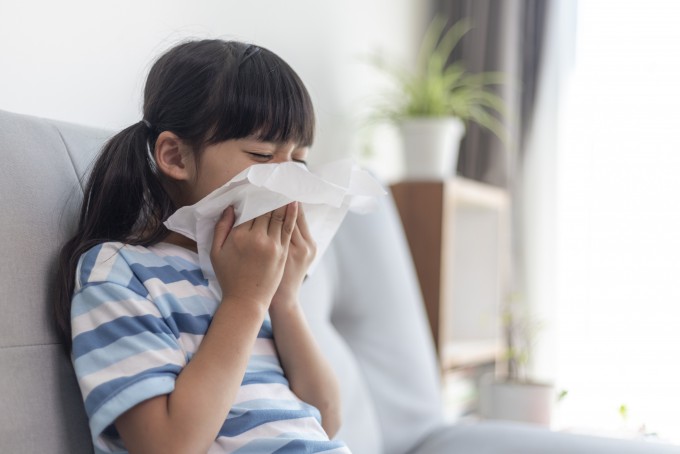
Preventing Mold and Bacteria in Air Ducts
Mold and bacteria thrive in damp, dark environments—conditions often found inside HVAC ducts. To minimize these risks, it’s important to monitor humidity and address leaks as soon as they are detected. Using an anti-mold spray can help inhibit the growth of fungi and bacteria on internal surfaces.
If you notice persistent musty odors or visible mold, professional remediation may be necessary. For ongoing prevention, ensure that all condensation drains properly and that your system is inspected at least once a year.
Families concerned about the health effects of contaminated air ducts can learn more about symptoms of sick building syndrome from ducts and take proactive steps to protect their home.
Best Practices for Ongoing System Maintenance
Consistent upkeep is the foundation of a healthy HVAC system. In addition to regular filter changes and duct cleaning, consider these best practices:
- Schedule annual inspections: A qualified technician can identify issues before they become major problems.
- Keep outdoor units clear: Remove leaves, debris, and obstructions from around exterior HVAC components to maintain airflow and efficiency.
- Seal and insulate ducts: Properly sealed ducts prevent dust and pollutants from entering the system and improve energy efficiency.
- Upgrade to smart thermostats: Modern controls can help you optimize air quality and comfort by managing temperature and humidity more precisely.
If you’re planning renovations, it’s also important to consider ways to keep ducts clean during remodeling to avoid introducing construction dust and debris into your HVAC system.
FAQ: Common Questions About Air Quality and HVAC Hygiene
How often should I have my HVAC ducts professionally cleaned?
Most experts recommend professional duct cleaning every 3–5 years, or more frequently if you have pets, allergies, or notice visible mold. Regular filter changes and inspections can help extend the time between deep cleanings.
What are the signs that my HVAC system is affecting my family’s health?
Common indicators include increased allergy symptoms, persistent coughing, headaches, fatigue, or musty odors in the home. If these issues arise, it’s wise to check your air filters, inspect for mold, and consider a professional assessment.
Can I improve air quality without replacing my entire HVAC system?
Yes, upgrading to HEPA or electrostatic filters, using anti-mold sprays, and maintaining regular cleaning routines can all enhance air quality without the need for a full system replacement.
Conclusion: Prioritizing Clean Air for Family Wellness
Taking proactive steps to maintain your HVAC system is one of the most effective ways to support your family’s health. By following the guidelines outlined above—changing filters, controlling humidity, preventing mold, and scheduling regular maintenance—you can create a safer, more comfortable home environment. Remember, clean air is a foundation for wellness, and a well-maintained HVAC system is key to achieving it.