Keeping your heating, ventilation, and air conditioning system clean is vital for maintaining healthy indoor air and efficient operation. However, many homeowners overlook the importance of safety when tackling this task. Whether you’re planning to clean vents, replace filters, or address ductwork, following proper HVAC cleaning safety tips can help prevent accidents, reduce exposure to allergens, and protect every member of your household.
This article outlines essential precautions, recommended equipment, and best practices to help you clean your HVAC system safely. We’ll also highlight common hazards and provide guidance on when to call a professional. For those interested in learning about specific ductwork cleaning methods, you might find this detailed guide on how to clean insulated ductwork safely especially useful.
Why Safety Matters During HVAC Maintenance
Cleaning your HVAC system can stir up dust, mold spores, and other contaminants that have settled in ducts and components. Without proper precautions, these particles may trigger allergies, asthma, or other respiratory issues. Additionally, working around electrical parts, sharp sheet metal, and chemical cleaners poses physical risks. Prioritizing safety ensures you not only improve air quality but also avoid unnecessary injuries or health problems.
Personal Protective Equipment for HVAC Cleaning
Before starting any cleaning project, gather the right protective gear. Using the appropriate equipment is one of the most important HVAC cleaning safety tips for homeowners and professionals alike. Here’s what you’ll need:
- Gloves: Wear durable, chemical-resistant gloves to protect your hands from sharp edges and cleaning agents.
- Eye Protection: Safety goggles shield your eyes from dust, debris, and accidental splashes.
- Respirator or Mask: A high-quality mask or respirator (preferably N95 or higher) helps filter out fine particles, mold spores, and allergens.
- Long-Sleeved Clothing: Cover exposed skin to minimize contact with irritants and contaminants.
For those with severe allergies or respiratory sensitivities, consider upgrading your home’s filtration system. Products like HEPA air purifiers and electrostatic filters can further reduce airborne particles.

Essential Steps for Safe HVAC Cleaning
Following a systematic process can help you avoid common hazards and maximize the effectiveness of your cleaning efforts. Here are some key steps to consider:
- Turn Off Power: Always switch off your HVAC system at the breaker before opening panels or accessing internal components. This reduces the risk of electrical shock.
- Ventilate the Area: Open windows and doors to allow fresh air to circulate, especially if you’re using cleaning sprays or solvents.
- Remove and Replace Filters: Dirty or clogged filters can harbor dust and mold. Replace them regularly and dispose of used filters in sealed bags.
- Use Approved Cleaning Products: Only use cleaners specifically designed for HVAC systems. Avoid harsh chemicals that can damage components or leave harmful residues.
- Clean Ducts Carefully: If you’re cleaning ductwork, use a vacuum with a HEPA filter and soft brushes to avoid damaging insulation or releasing more dust into the air. For more advanced methods, see this overview on the understanding the negative air pressure method.
- Check for Mold: Inspect for visible mold growth. If you find significant contamination, use an anti-mold HVAC spray or consult a professional.
- Reassemble and Test: Once cleaning is complete, securely replace panels and filters, then restore power and test the system.
Common Hazards and How to Avoid Them
Even with the best intentions, it’s easy to overlook potential dangers when cleaning your HVAC system. Here are some risks and how to minimize them:
- Electrical Shock: Never work on your HVAC unit while it’s powered. Double-check breakers before starting.
- Exposure to Mold and Allergens: Always wear a mask and gloves. If you have a history of respiratory issues, consider hiring a professional or using advanced filtration.
- Chemical Burns or Irritation: Read all labels and use only products intended for HVAC use. Rinse thoroughly and ventilate the area after cleaning.
- Physical Injuries: Sheet metal edges can be sharp. Wear gloves and handle components with care.
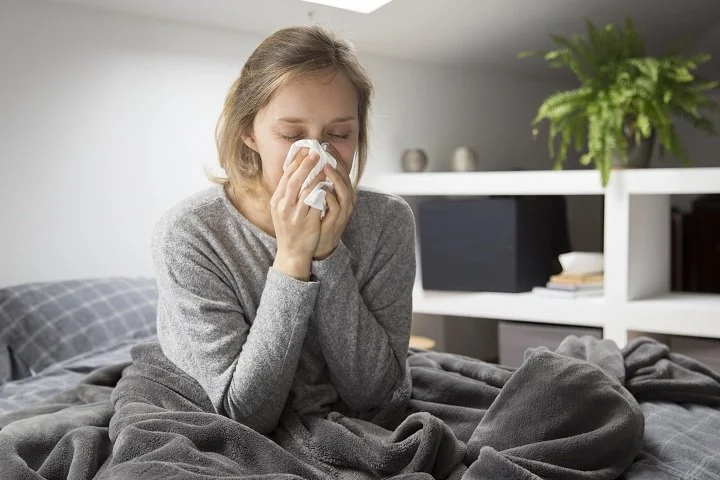
If you experience symptoms like headaches, dizziness, or persistent allergies after cleaning, it may indicate lingering contaminants. Learn more about the symptoms of sick building syndrome from ducts and when to seek medical advice.
When to Call a Professional
Some cleaning tasks are best left to certified HVAC technicians. If you notice extensive mold, persistent odors, or visible debris deep in your ductwork, professional cleaning may be necessary. Technicians have specialized tools and training to safely remove contaminants without damaging your system.
Additionally, if your system is under warranty, DIY cleaning could void coverage. Always check your manufacturer’s guidelines before attempting maintenance. For more information on advanced cleaning technologies, see this article on the role of UV lights in duct cleanliness.
Additional Tips for Maintaining a Safe and Healthy HVAC System
- Schedule Regular Inspections: Have your system checked by a professional at least once a year.
- Change Filters Frequently: Replace filters every 1–3 months, or more often if you have pets or allergies.
- Keep Vents Clear: Don’t block air returns or supply registers with furniture or drapes.
- Monitor Humidity: Use a dehumidifier if necessary to prevent mold growth.
- Stay Informed: For more on indoor air quality and health, consult reputable resources like the URMC Health Encyclopedia.
If you’re planning renovations, it’s important to protect your ducts from dust and debris. These ways to keep ducts clean during remodeling can help maintain air quality throughout your project.
Frequently Asked Questions
What are the most important safety precautions for cleaning HVAC systems?
The most critical steps include turning off the power, wearing protective gear (gloves, mask, goggles), using only approved cleaning products, and ensuring good ventilation. Always follow manufacturer instructions and avoid working alone in case of emergencies.
How often should I clean my HVAC system to maintain safety and air quality?
Filters should be replaced every 1–3 months. Ducts and internal components typically need inspection and cleaning every 2–5 years, depending on usage, pets, and local air quality. If you notice dust buildup, odors, or allergy symptoms, consider cleaning sooner.
Can I use household cleaners for my HVAC system?
It’s best to avoid standard household cleaners, as they may damage HVAC components or leave harmful residues. Use products labeled for HVAC use, and always read safety instructions. For mold, select an EPA-registered anti-mold spray designed for air systems.