Cleaning air vents is essential for maintaining healthy indoor air quality and ensuring your HVAC system runs efficiently. Many homeowners look for cost-effective and simple ways to clear dust and debris from their ductwork. One method that has gained popularity is using a leaf blower to clean vents. But how effective is this approach, and what should you know before trying it?
This article explores practical steps, safety considerations, and the pros and cons of using a leaf blower for vent cleaning. You’ll also find expert tips, helpful resources, and answers to common questions about this do-it-yourself method. If you’re considering alternatives or want to understand the process better, read on for a grounded, step-by-step guide.

Before you start, it’s important to recognize signs that your ductwork may need attention. If you notice musty odors, visible dust buildup, or reduced airflow, it might be time to address your vents. For more information on related issues, see signs of moisture in air ducts and how they can impact your system’s performance.
Understanding the Leaf Blower Method for Duct Cleaning
Using a leaf blower to clear vents is a DIY approach that relies on high-velocity air to push dust and debris through the ductwork. The idea is to force contaminants out of the vents, making it easier to collect and remove them. This method is appealing because most households already own a leaf blower, and the process can be completed without specialized equipment.
However, it’s important to understand the limitations and potential risks. Leaf blowers are not designed specifically for HVAC cleaning, and their effectiveness depends on several factors, including duct design, the amount of buildup, and accessibility. For a thorough cleaning, professionals use specialized vacuums and agitation tools that can reach deeper into the system.
Step-by-Step Guide: Using a Leaf Blower for Vent Maintenance
If you decide to try this method, follow these steps to maximize results and minimize mess:
- Turn off your HVAC system to prevent the blower from spreading dust throughout your home.
- Remove vent covers from the supply and return registers. Clean the covers separately with soap and water.
- Seal off vents in rooms you are not cleaning to direct airflow where you want it. Use painter’s tape and plastic sheeting for a temporary seal.
- Position the leaf blower at the main supply vent or return duct. Make sure the nozzle fits snugly to prevent air from escaping.
- Place a collection bag or vacuum at the opposite end of the duct to catch debris. If this isn’t possible, cover nearby furniture and floors to protect from dust.
- Turn on the leaf blower and run it for several minutes. Move the nozzle around to dislodge stubborn particles.
- Check for blockages and repeat the process as needed. Replace vent covers and turn your HVAC system back on when finished.
While this method can help remove loose dust, it may not address deeper buildup or contaminants stuck to duct walls. For more comprehensive cleaning, consider professional services or explore a detailed overview of the air duct cleaning process.

Pros and Cons of Using a Leaf Blower for Air Ducts
Before committing to this DIY solution, weigh the advantages and disadvantages:
| Benefits | Drawbacks |
|---|---|
|
|
For those dealing with more complex issues, such as persistent dust or moisture, it may be helpful to review ways to minimize dust during the duct cleaning process or consult a professional for advice.
Safety Tips and Precautions for DIY Vent Cleaning
When using a leaf blower for ductwork maintenance, safety should be a top priority. Here are some essential tips:
- Wear a dust mask and safety goggles to protect yourself from airborne particles.
- Ensure all pets and children are out of the area before starting.
- Check your ductwork for loose connections or damage before blowing air through the system.
- Do not use excessive force with the blower, as this can damage flexible ducts or dislodge seals.
- Ventilate the area well after cleaning to clear any lingering dust.
If you notice signs of poor airflow or suspect design issues, see how to recognize poor duct design for more guidance.
When to Consider Professional Duct Cleaning Services
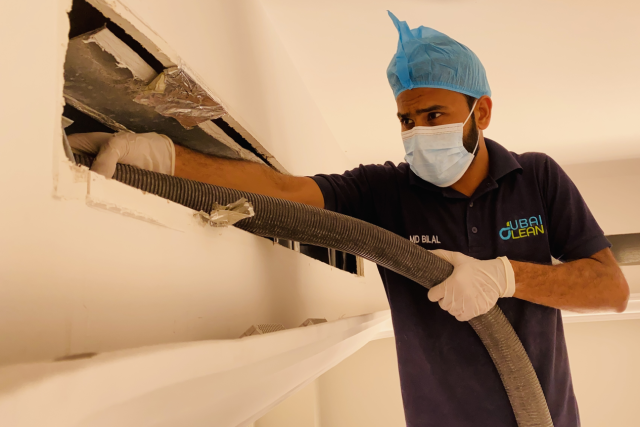
While a leaf blower can help with light maintenance, it is not a substitute for professional duct cleaning. If you experience persistent dust, allergy symptoms, or suspect mold or pests in your system, it’s best to consult a certified technician. Professionals use high-powered vacuums, rotary brushes, and HEPA filtration to ensure a thorough and safe cleaning process.
Homeowners with crawl spaces or hard-to-reach vents may benefit from specialized advice. For example, see how to clean vents in a crawl space for practical tips on tackling these areas.
Alternative Methods and Maintenance Tips
If you’re looking for other ways to keep your vents clean, consider these approaches:
- Regularly replace or clean HVAC filters to prevent dust buildup.
- Vacuum vent covers and accessible duct openings with a brush attachment.
- Use a damp microfiber cloth to wipe down vent grilles and registers.
- Schedule professional cleaning every few years, especially if you have pets, allergies, or recent renovations.
For those working in garages or workshops, see how to clean ventilation in a garage for targeted advice on maintaining airflow in these environments.
Frequently Asked Questions
Can a leaf blower really clean air ducts effectively?
A leaf blower can help remove loose dust and debris near vent openings, but it is not as effective as professional equipment for deep cleaning. It may not reach all areas or remove sticky buildup, so results can be limited.
Is it safe to use a leaf blower for vent cleaning?
It can be safe if you follow proper precautions, such as wearing protective gear and ensuring your ductwork is in good condition. However, using too much force or neglecting to seal off other vents can create a mess or damage the system.
How often should I clean my vents using this method?
For most homes, light vent cleaning with a leaf blower can be done once or twice a year. However, regular filter changes and periodic professional cleaning are recommended for optimal air quality and system performance.
What should I do if I notice moisture or mold in my ducts?
If you see signs of moisture, musty odors, or visible mold, it’s important to address the underlying cause and consult a professional. DIY methods like a leaf blower will not resolve moisture or biological growth issues.
In summary, using a leaf blower for vent cleaning can be a quick and affordable option for light maintenance, but it has its limitations. For deeper cleaning, persistent problems, or peace of mind, professional duct cleaning remains the most effective solution.