Excess moisture inside your HVAC ductwork can lead to a range of problems, from mold growth and poor indoor air quality to structural damage and higher energy bills. Recognizing the signs of moisture in air ducts early is essential for maintaining a healthy and efficient home environment. This article outlines the most common indicators of dampness in your duct system, explains why they matter, and offers practical advice on what to do if you spot these warning signals.
Before diving into the specific symptoms, it’s helpful to understand that moisture issues in ductwork are often linked to factors like condensation, leaks, or inadequate insulation. Addressing these problems promptly can prevent more serious complications. For those interested in broader HVAC maintenance, you may also want to learn about how to clean vents in a crawl space to further improve your system’s performance.
Why Moisture in Ductwork Is a Serious Concern
When water or high humidity infiltrates your air ducts, it creates an ideal environment for mold, mildew, and bacteria. These contaminants can circulate throughout your home every time the HVAC system runs, potentially causing respiratory issues and aggravating allergies. Additionally, persistent dampness can corrode metal ducts, weaken joints, and reduce the overall lifespan of your heating and cooling system.
Moisture problems can also impact your energy efficiency. Wet insulation loses its effectiveness, forcing your HVAC system to work harder and increasing utility costs. By staying alert to the warning signs of moisture in air ducts, you can address problems before they escalate.
Visible Mold or Mildew Around Vents
One of the most obvious indicators of excess moisture is the appearance of mold or mildew on or near your supply and return vents. Mold often looks like black, green, or white fuzzy patches and may be accompanied by a musty odor. If you spot these growths, it’s a clear signal that dampness is present somewhere in your ductwork.
In many cases, the mold you see on the outside of vents is just the tip of the iceberg. The real problem may be hidden deeper inside the ducts, where moisture accumulates and spores thrive. If you notice visible growth, it’s important to act quickly to prevent the spread of contaminants throughout your home.

Musty or Damp Odors When the HVAC Runs
Unpleasant smells are another common sign of moisture issues in ductwork. If you detect a persistent musty, earthy, or damp odor whenever your heating or cooling system operates, it could indicate the presence of mold, mildew, or stagnant water inside the ducts. These odors are often strongest when the system first turns on, as air movement stirs up spores and particles.
While air fresheners may temporarily mask the smell, they won’t solve the underlying problem. Persistent odors should always be investigated, as they often point to hidden moisture and microbial growth.
Condensation or Water Droplets on Duct Surfaces
Another telltale sign of excess humidity is the presence of condensation or visible water droplets on the exterior of your ductwork. This often occurs when warm, moist air comes into contact with cold duct surfaces, causing water to form. Over time, this moisture can seep into insulation or drip onto ceilings and walls, leading to water stains and potential structural damage.
If you notice beads of water or damp patches on or around your ducts, it’s important to check for sources of humidity, such as leaky pipes, poor insulation, or gaps in the ductwork itself.
Unusual Dust or Debris Accumulation
While dust is a normal part of any HVAC system, an unusual buildup of debris, especially if it appears clumpy or damp, can be a sign of moisture problems. Wet dust can stick to duct walls and create a breeding ground for mold and bacteria. Over time, this can reduce airflow, increase allergy symptoms, and decrease your system’s efficiency.
Regular inspection and cleaning can help you spot these issues early. If you’re unsure how to approach this task, consider reviewing step-by-step instructions for cleaning air ducts yourself to maintain a healthier system.
Water Stains or Discoloration Near Vents
Stains or discoloration on ceilings, walls, or floors near your HVAC vents often point to leaks or condensation inside the ductwork. These marks may appear yellow, brown, or gray and can grow larger over time if the moisture issue isn’t resolved. In severe cases, you may also notice peeling paint or bubbling wallpaper around affected areas.
Addressing these stains promptly can help prevent further water damage and the spread of mold throughout your home.
Increased Allergy or Respiratory Symptoms
If you or your family members experience more frequent allergy symptoms, coughing, sneezing, or respiratory discomfort, it could be linked to contaminants circulating through damp ductwork. Mold spores, dust mites, and bacteria thrive in moist environments and can easily become airborne, especially when the HVAC system is running.
While these symptoms can have multiple causes, a sudden or unexplained increase in issues may warrant a closer look at your duct system. For additional tips on improving indoor air quality, you might also explore ways to minimize dust during duct cleaning for a healthier home.
What to Do If You Notice Moisture Problems
If you identify any of the above signs of moisture in air ducts, it’s important to act quickly to prevent further damage. Here are some practical steps to consider:
- Inspect for leaks: Check for visible gaps, cracks, or disconnected joints in your ductwork.
- Improve insulation: Ensure ducts in unconditioned spaces are properly insulated to reduce condensation.
- Control humidity: Use dehumidifiers or air scrubbers to maintain optimal indoor humidity levels.
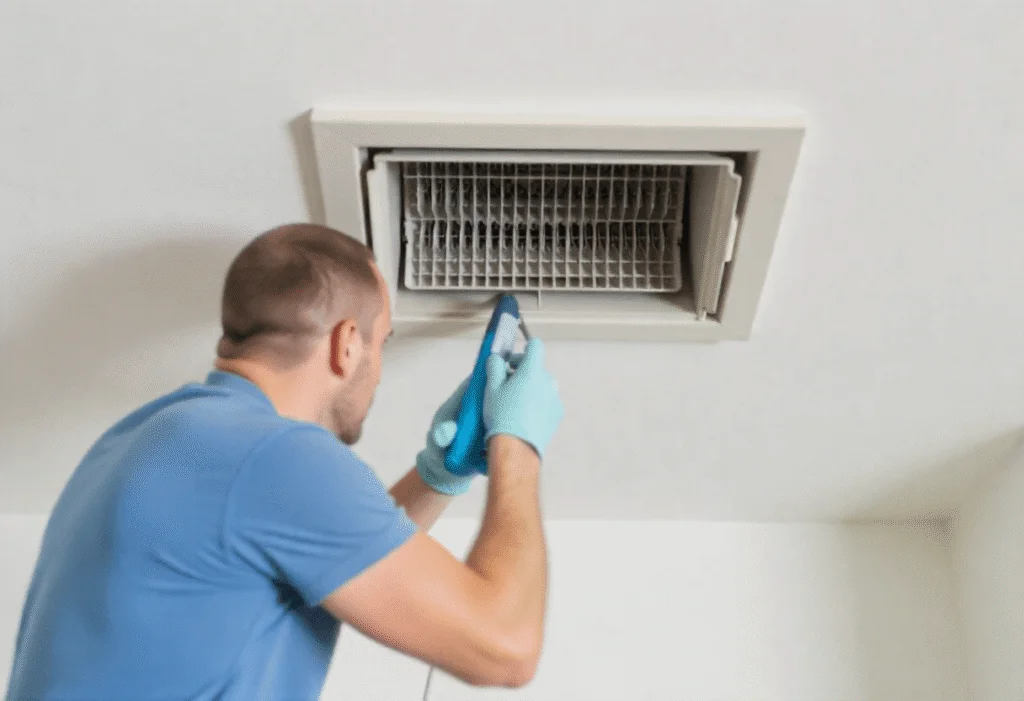
- Schedule professional cleaning: Hire a certified technician to inspect and clean your ducts, especially if mold is present.
- Address water sources: Fix plumbing leaks, roof issues, or drainage problems that may contribute to excess moisture.
Regular maintenance and prompt repairs are key to keeping your HVAC system running efficiently and your indoor air healthy. If you’re dealing with persistent issues, consulting a professional is often the best course of action.
Prevention Tips for Moisture in Air Ducts
Preventing moisture buildup is often easier and less expensive than dealing with the consequences. Here are a few strategies to help keep your ductwork dry and free from contaminants:
- Seal all duct joints and connections with mastic or foil tape to prevent air and moisture leaks.
- Keep vents and registers clean and unobstructed to promote proper airflow.
- Monitor indoor humidity and use exhaust fans in bathrooms and kitchens.
- Schedule annual HVAC inspections to catch problems early.
- Consider installing a whole-home dehumidifier in humid climates.
For those with unique setups, such as garages or workshops, you may benefit from learning how to clean ventilation in a garage to further reduce moisture risks.
Frequently Asked Questions
How can I tell if my air ducts have hidden moisture problems?
Look for indirect clues such as musty odors, increased dust, water stains near vents, or unexplained allergy symptoms. Even if you don’t see visible water, these signs often indicate underlying dampness. A professional inspection can confirm the presence of moisture and recommend solutions.
Is mold in ductwork dangerous?
Yes, mold spores can aggravate allergies, asthma, and other respiratory issues, especially in sensitive individuals. Mold growth inside ducts can also spread quickly throughout the home, making prompt remediation essential for health and safety.
What’s the best way to remove moisture from air ducts?
First, identify and fix the source of the moisture, such as leaks or poor insulation. Use a dehumidifier or HEPA air scrubber to reduce humidity. Professional duct cleaning may be necessary if mold or heavy buildup is present. For DIY cleaning, follow detailed instructions for cleaning air ducts yourself to ensure thorough results.
Conclusion
Staying alert to the signs of moisture in air ducts can help you maintain a healthier, more efficient home. By recognizing early warning signals—like mold, musty odors, condensation, and increased allergy symptoms—you can take proactive steps to address problems before they escalate. Regular maintenance, prompt repairs, and professional inspections are the best ways to keep your HVAC system running smoothly and your indoor air quality high.