Properly maintaining the ventilation system in your garage or workspace is essential for both air quality and safety. Over time, dust, debris, and even chemical residues can accumulate in vents and ducts, reducing airflow and potentially circulating pollutants. Learning how to clean ventilation in a garage ensures a healthier environment, helps equipment run efficiently, and can even extend the life of your HVAC system.
Whether you use your garage for projects, storage, or as a workshop, keeping the air moving freely is crucial. This article offers a step-by-step approach to cleaning out vents and ducts, along with tips for minimizing dust and maintaining your system. For those interested in more targeted advice, you may also want to explore ways to minimize dust during duct cleaning for additional strategies.
Why Regular Ventilation Cleaning Matters
Neglecting garage or workshop ventilation can lead to a buildup of dust, allergens, and even harmful fumes from paints, solvents, or automotive work. Over time, this can affect your health, cause unpleasant odors, and reduce the efficiency of your heating or cooling system. Regular cleaning helps:
- Improve air quality by removing dust and contaminants
- Reduce fire hazards from accumulated debris
- Maintain consistent airflow and system efficiency
- Extend the lifespan of your HVAC or exhaust system
For those who have recently completed woodworking or other dusty projects, learning how to remove sawdust from HVAC systems can be especially helpful.
Essential Tools and Supplies for Cleaning Garage Ventilation
Before starting, gather the following items to ensure a thorough and safe cleaning process:
- Vacuum with hose and brush attachments (preferably with a HEPA filter)
- Soft-bristle brush or microfiber cloths
- Screwdriver (to remove vent covers)
- Protective gloves and dust mask
- Bucket of warm, soapy water
- Flashlight for inspecting ducts
If your system includes insulated ductwork, check out this guide to cleaning insulated ductwork safely for special considerations.
Step-by-Step Guide: How to Clean Ventilation in a Garage
Follow these steps to effectively clean your garage or workspace ventilation system:
1. Turn Off the System and Ensure Safety
Before you begin, switch off any fans, HVAC units, or exhaust systems connected to your garage. This prevents dust from circulating and keeps you safe while working around electrical components.
2. Remove and Clean Vent Covers
Use a screwdriver to carefully remove vent covers or grilles. Wash them in warm, soapy water to remove dust and grime. Allow them to dry completely before reinstalling.
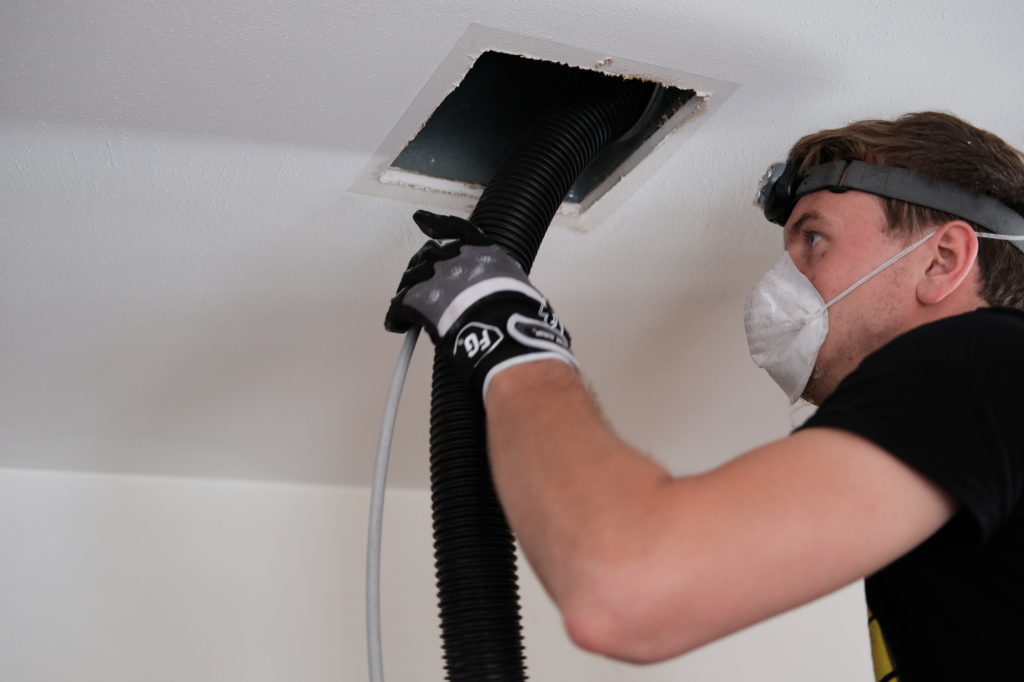
3. Vacuum and Brush Out the Ducts
With the vent covers off, use a vacuum with a hose and brush attachment to remove dust and debris from inside the ducts. Reach as far as possible into the ductwork. For stubborn buildup, gently loosen debris with a soft-bristle brush or microfiber cloth, then vacuum again.
For a more detailed approach, consider the step-by-step process for cleaning air ducts yourself provided by Soft Scrub.
4. Inspect for Mold or Moisture
While cleaning, check for any signs of mold, mildew, or moisture inside the ducts. If you spot any, address the source of moisture and consider professional remediation, as mold spores can be hazardous to your health.
5. Clean Exhaust Fans and Filters
Many garages have exhaust fans or air filtration units. Remove and clean filters according to the manufacturer’s instructions. Wipe down fan blades and housings to remove dust buildup.
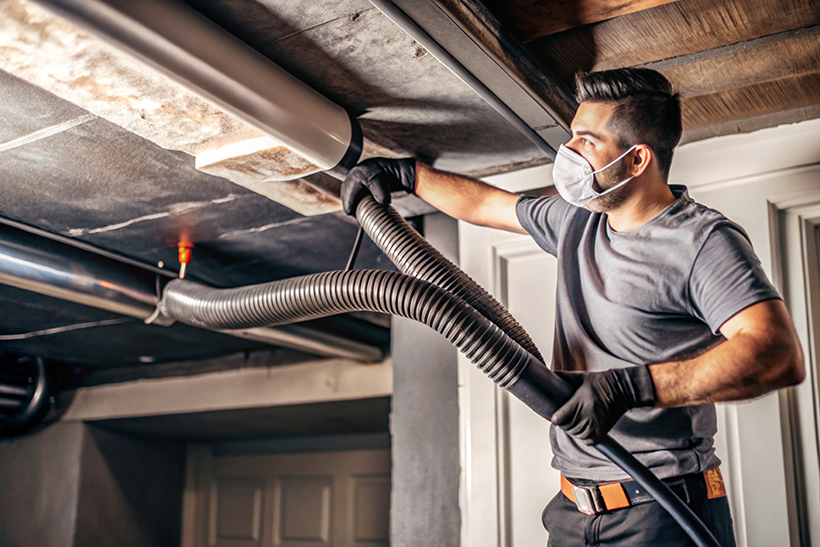
6. Reinstall Vent Covers and Restore Power
Once everything is clean and dry, reinstall the vent covers. Turn the ventilation system back on and check for proper airflow. If you notice weak airflow or persistent odors, further inspection or professional cleaning may be needed.
Tips for Keeping Garage Ventilation Clean
- Schedule regular cleanings every 6–12 months, or more often if you do frequent dusty work.
- Use a HEPA air scrubber or portable air cleaner to capture airborne particles during projects.
- Seal gaps and cracks around vents to prevent dust infiltration.
- Store chemicals and paints in airtight containers to minimize fumes.
- Consider installing additional exhaust fans for better air exchange.
Understanding the difference between supply and return duct cleaning can also help you target your efforts for maximum efficiency.
When to Call a Professional
While most homeowners can handle basic cleaning, certain situations call for expert help:
- Extensive mold or mildew inside ducts
- Persistent odors that don’t resolve after cleaning
- Visible rodent or insect infestations
- Complex or hard-to-reach ductwork
Professionals have specialized equipment to clean deep within the system and can address issues like insulation damage or major blockages.
Frequently Asked Questions
How often should I clean my garage ventilation system?
For most garages and workspaces, a thorough cleaning every 6 to 12 months is sufficient. However, if you do a lot of woodworking, painting, or other dusty activities, you may need to clean more frequently.
Can I use household cleaners inside my ducts?
It’s best to avoid harsh chemicals inside ductwork. Use mild soap and water for vent covers and accessible surfaces. If you suspect mold, consult a professional for safe removal.
What’s the best way to reduce dust buildup in garage vents?
Regular cleaning, using a vacuum with a HEPA filter, and running an air scrubber during projects are effective ways to minimize dust. For more tips, see these ways to minimize dust during duct cleaning.
Should I replace filters in my garage exhaust fan?
Yes, replace or clean filters according to the manufacturer’s recommendations. Dirty filters restrict airflow and can recirculate dust and contaminants.
Conclusion
Maintaining clean ventilation in your garage or workspace is vital for air quality, safety, and equipment longevity. By following these steps and staying consistent with maintenance, you can keep your environment healthier and more comfortable. For related topics, you might also be interested in learning how to clean wall heaters for a comprehensive approach to indoor air care.