Maintaining clean vents in your crawl space is essential for healthy indoor air quality and efficient HVAC performance. Over time, dust, debris, mold, and even pests can accumulate in these hard-to-reach areas, leading to poor airflow and potential health risks. Whether you’re a homeowner aiming to improve your living environment or a DIY enthusiast looking to tackle this maintenance task, understanding how to clean vents in a crawl space can make a significant difference.
Crawl space vents are often overlooked, but neglecting them can result in musty odors, increased allergens, and even structural issues caused by excess moisture. Regular cleaning not only helps prevent these problems but also extends the lifespan of your HVAC system. In this article, you’ll find a step-by-step approach to cleaning crawl space vents, recommended tools, safety tips, and advice on minimizing dust and contamination during the process.
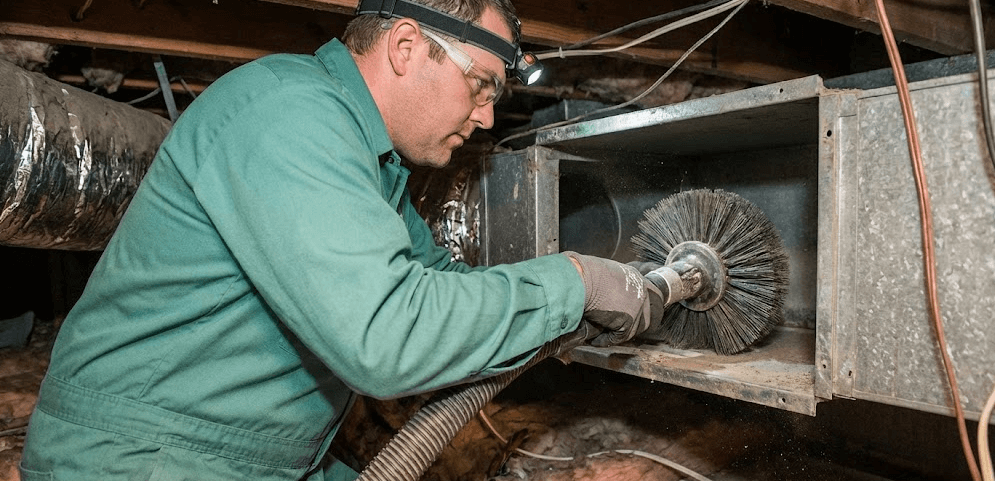
Before diving into the cleaning process, it’s helpful to understand the importance of minimizing dust and debris. For more detailed strategies, check out ways to minimize dust during duct cleaning to keep your home cleaner during maintenance.
Why Keeping Crawl Space Vents Clean Matters
Crawl space vents play a crucial role in your home’s ventilation system. When these vents become clogged with dirt, cobwebs, or organic material, several issues can arise:
- Reduced Airflow: Blocked vents restrict the movement of fresh air, leading to higher humidity and potential mold growth.
- Poor Indoor Air Quality: Accumulated dust and allergens can circulate through your home, affecting respiratory health.
- Increased Energy Costs: Your HVAC system must work harder to maintain comfortable temperatures, resulting in higher utility bills.
- Pest Infestations: Debris in vents can attract insects and rodents, causing further damage and contamination.
By regularly cleaning these vents, you help ensure a healthier, more efficient home environment.
Essential Tools and Supplies for Cleaning Crawl Space Vents
Gathering the right equipment is key to a safe and effective cleaning process. Here’s what you’ll need:
- Protective Gear: Gloves, safety goggles, a dust mask or respirator, and coveralls to protect against dust and contaminants.
- Vacuum with HEPA Filter: A vacuum equipped with a HEPA filter captures fine particles and prevents them from re-entering the air.
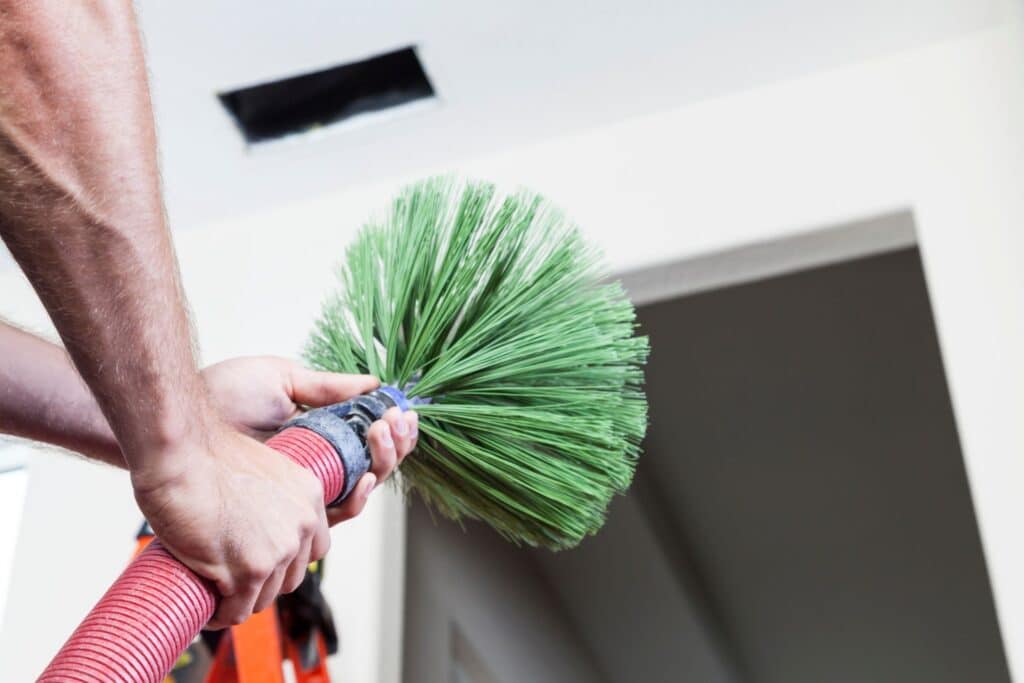
- Brushes: Long-handled or flexible brushes help dislodge debris from vent covers and duct openings.
- Flashlight or Headlamp: Crawl spaces are often dimly lit, so good lighting is essential.
- Cleaning Cloths and Mild Detergent: For wiping down vent covers and surrounding surfaces.
- Screwdriver or Drill: To remove vent covers if necessary.
- HEPA Air Scrubber: For improved air quality during and after cleaning, especially if you’re sensitive to dust or allergens.
Using a HEPA air scrubber can be especially helpful in reducing airborne particles. If you don’t have one, you can buy HEPA air scrubber units online.
Step-by-Step Instructions for Cleaning Crawl Space Vents
Follow these practical steps to ensure your crawl space vents are thoroughly cleaned and functioning optimally:
- Prepare the Area: Put on your protective gear before entering the crawl space. Ensure the area is well-ventilated and free of standing water or hazardous materials.
- Inspect the Vents: Use a flashlight to check for visible dust, cobwebs, mold, or signs of pests. Take note of any damaged vent covers or ductwork that may need repair.
- Remove Vent Covers: If possible, unscrew or unclip the vent covers for easier access. Place them aside for cleaning.
- Vacuum Loose Debris: Use the HEPA vacuum to remove loose dust, dirt, and debris from the vent openings and surrounding areas. Pay special attention to corners and crevices.
- Brush and Scrub: Gently scrub the inside of the vent openings and covers with a brush. For stubborn buildup, use a mild detergent solution on a cloth or sponge.
- Wipe Down Surfaces: Clean the vent covers thoroughly before reinstalling. Wipe down any accessible ductwork near the vents.
- Reinstall Vent Covers: Once everything is dry and clean, securely replace the vent covers.
- Run a HEPA Air Scrubber: If available, operate the air scrubber in the crawl space for several hours to remove lingering dust and allergens.
Tips for Reducing Dust and Contaminants During Cleaning
Cleaning vents in confined spaces can stir up dust and allergens. Here are some best practices to keep your home environment safe:
- Seal Off Adjacent Areas: Use plastic sheeting or temporary barriers to prevent dust from spreading to other parts of your home.
- Work Methodically: Clean one vent at a time, starting from the farthest point and working toward the exit.
- Use HEPA Filtration: Both vacuums and air scrubbers with HEPA filters are effective at capturing fine particles.
- Dispose of Debris Properly: Place all collected dust and debris in sealed bags before removing them from the crawl space.
- Ventilate the Area: Open nearby windows or use fans to help clear out airborne particles after cleaning.
For more information on keeping your ductwork clean and safe, see our guide on how to clean insulated ductwork safely.
How Often Should You Clean Crawl Space Vents?
The frequency of cleaning depends on several factors, including your home’s location, the presence of pets, and local climate. As a general rule:
- Annual Inspection: Check crawl space vents at least once a year for signs of buildup or damage.
- Biannual Cleaning: In areas with high dust or pollen, consider cleaning every six months.
- After Renovations: Always clean vents after construction or remodeling projects to remove sawdust and debris. For tips, see how to remove sawdust from HVAC systems.
If you notice persistent odors, visible mold, or increased allergy symptoms, it may be time to clean more frequently.

When to Call a Professional for Crawl Space Vent Cleaning
While many homeowners can handle basic vent cleaning, certain situations call for expert help:
- Extensive Mold Growth: If you see widespread mold or smell a persistent musty odor, contact a mold remediation specialist.
- Pest Infestations: Evidence of rodents or insects may require pest control before cleaning.
- Damaged Ductwork: Cracked or disconnected ducts should be repaired by a professional to restore proper airflow and prevent contamination.
- Allergy or Asthma Concerns: If you or your family members have respiratory sensitivities, professional cleaning ensures thorough removal of allergens.
For more information on the pros and cons of DIY versus professional duct cleaning, the EPA’s guide to air duct cleaning offers valuable insights.
Frequently Asked Questions
What are the signs that crawl space vents need cleaning?
Common indicators include reduced airflow, musty odors, visible dust or cobwebs on vent covers, increased allergy symptoms, and higher energy bills. If you notice any of these, it’s time to inspect and clean your vents.
Can I use regular household vacuums to clean crawl space vents?
It’s best to use a vacuum with a HEPA filter to capture fine particles and prevent them from circulating back into your home. Standard vacuums may not be effective at trapping allergens and can release dust into the air.
Is it safe to clean crawl space vents myself?
Yes, as long as you take proper safety precautions, such as wearing protective gear and ensuring good ventilation. However, if you encounter mold, pests, or damaged ductwork, consider hiring a professional for a thorough and safe cleaning.
How can I prevent dust buildup in crawl space vents?
Regular inspections, using high-quality air filters in your HVAC system, and sealing gaps around vent covers can help minimize dust accumulation. For more strategies, explore our article on ways to minimize dust during duct cleaning.
What’s the difference between supply and return vents in crawl spaces?
Supply vents deliver conditioned air into your home, while return vents pull air back into the HVAC system. Both types can be present in crawl spaces and require periodic cleaning. To learn more, see our resource on the difference between supply and return duct cleaning.