Keeping your indoor air clean is essential for a healthy home or business environment. When it comes to cleaning air ducts, one of the main concerns is preventing dust from spreading throughout the space. If not managed correctly, duct cleaning can release significant amounts of dust and debris, leading to additional cleaning needs and potential respiratory irritation. This article explores practical ways to minimize dust during duct cleaning, helping you maintain a cleaner, safer space during and after the process.
Whether you’re hiring professionals or tackling the job yourself, understanding the right techniques and equipment can make a big difference. We’ll cover preparation steps, recommended tools, and best practices to keep dust at bay. If you’re dealing with specific ductwork types, such as insulated systems, you might also find value in learning how to clean insulated ductwork safely for even more targeted advice.
Preparation: Setting the Stage for a Cleaner Duct Cleaning
Proper preparation is the foundation for reducing dust during duct maintenance. Before you or a technician begin, consider these steps:
- Seal off registers and vents: Use plastic sheeting or magnetic vent covers to block supply and return vents in rooms not being cleaned. This prevents dust from escaping into living spaces.
- Clear the area: Move furniture, rugs, and valuables away from vents and duct access points. This not only protects your belongings but also makes cleaning more efficient.
- Turn off HVAC systems: Shutting down your heating or cooling system prevents air movement that could spread dust during cleaning.
- Communicate with your cleaning provider: If you’re hiring a professional, ask about their dust containment methods and request that they use equipment designed to minimize airborne particles.
Best Equipment and Tools for Dust Control
Choosing the right tools is one of the most effective ways to minimize dust during duct cleaning. Here are some essentials:
- HEPA-filtered vacuums: High-Efficiency Particulate Air (HEPA) vacuums capture fine dust and allergens, preventing them from re-entering your indoor air.
- Negative air machines: These devices create a vacuum within the duct system, pulling dust and debris into a sealed container rather than letting it escape into your home.
- Brushes with dust containment: Rotary brushes with built-in suction help dislodge debris while immediately vacuuming it up.
- Air scrubbers: Portable air scrubbers with HEPA filtration can be placed in the work area to continuously filter airborne dust during the cleaning process.
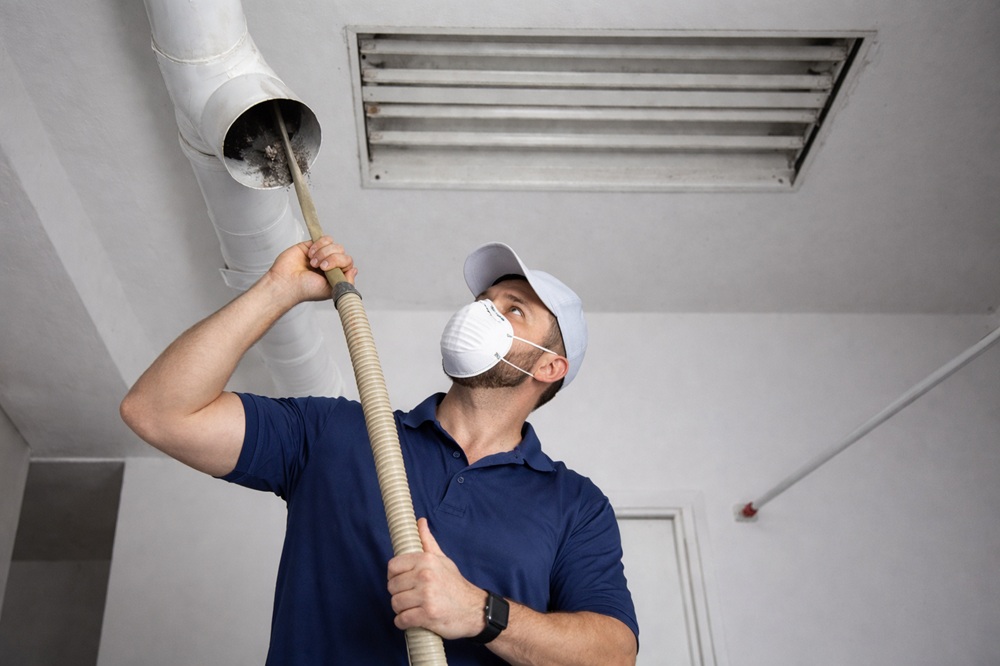
Step-by-Step Techniques to Reduce Dust Spread
Implementing the right cleaning techniques is just as important as using the proper equipment. Here are proven strategies for keeping dust contained:
- Work in sections: Clean one section of ductwork at a time, keeping other areas sealed. This limits the amount of dust that can escape.
- Use negative pressure: Always maintain negative air pressure within the ducts using a vacuum or negative air machine. This draws dust inward rather than letting it blow out into rooms.
- Wet cleaning methods: For stubborn debris, lightly misting the inside of ducts with water before brushing can help trap dust and prevent it from becoming airborne.
- Frequent filter changes: If your vacuum or air scrubber uses replaceable filters, check and change them as needed to maintain optimal dust capture.
- Post-cleaning wipe-down: After the ducts are clean, wipe down vent covers, registers, and surrounding surfaces to remove any residual dust.
Professional vs. DIY: Which Approach Controls Dust Better?
Both professional and do-it-yourself duct cleaning can be done with minimal dust if the right precautions are taken. However, professionals typically have access to industrial-grade equipment, such as truck-mounted vacuums and advanced air scrubbers, which are highly effective at containing dust. If you’re considering a DIY approach, make sure to use HEPA vacuums and seal off work areas thoroughly. For more detailed instructions, you can refer to resources like this step-by-step guide to cleaning air ducts.
If you have unique ductwork features, such as high ceiling vents or insulated ducts, check out guides on how to clean high ceiling vents and how to clean insulated ductwork safely for more tailored advice.
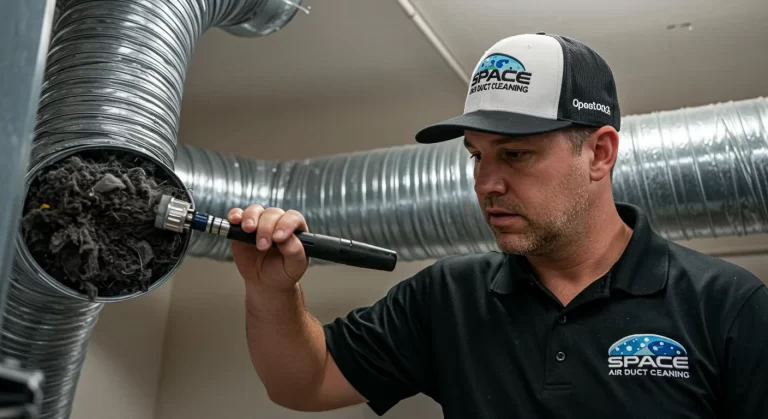
Additional Tips for Keeping Dust Under Control
Beyond the main cleaning process, there are a few extra steps you can take to further limit dust exposure:
- Cover floors and furniture: Use drop cloths or plastic sheeting to protect surfaces near vents and duct access points.
- Ventilate the area: Open windows and use fans to direct any stray dust outdoors after cleaning is complete.
- Schedule regular maintenance: Keeping ducts clean with periodic maintenance reduces the overall dust load, making each cleaning easier and less messy.
- Check for leaks: After cleaning, inspect ductwork for gaps or leaks that could allow dust to escape into your living space in the future.
For those who have recently completed renovations or woodworking projects, you may also want to review tips on how to remove sawdust from HVAC systems to prevent fine debris from circulating through your ducts.
Common Mistakes That Increase Dust During Duct Cleaning
Avoiding certain pitfalls can make a big difference in dust control:
- Skipping vent sealing: Failing to block off vents allows dust to escape into rooms.
- Using standard vacuums: Household vacuums lack HEPA filtration and can blow dust back into the air.
- Neglecting filter changes: Dirty filters reduce the effectiveness of vacuums and air scrubbers.
- Improper cleaning order: Cleaning ducts before addressing registers and grilles can lead to recontamination.
- Overlooking post-cleaning cleanup: Not wiping down surfaces after duct cleaning can leave a layer of dust behind.
FAQ: Dust Control During Duct Cleaning
How can I tell if my duct cleaning service is minimizing dust effectively?
A reputable service will use HEPA-filtered vacuums, seal off vents, and maintain negative air pressure in the duct system. Ask your provider about their dust control methods and look for minimal visible dust in your home during and after cleaning.
Is it safe to stay in my home during duct cleaning?
It’s generally safe, but for sensitive individuals (such as those with allergies or asthma), it may be best to stay in a different area or leave the home temporarily. Proper dust containment should keep exposure to a minimum.
Can I use regular household vacuums for duct cleaning?
No, standard vacuums do not have the filtration needed to trap fine dust and can actually worsen air quality by blowing dust back into the air. Always use HEPA-filtered equipment specifically designed for duct cleaning.
How often should I clean my air ducts to prevent dust buildup?
Most experts recommend cleaning air ducts every 3–5 years, or more frequently if you notice visible dust, mold, or after major renovations. Regular maintenance helps keep dust levels manageable.
Conclusion
Minimizing dust during duct cleaning is achievable with the right preparation, equipment, and techniques. By sealing vents, using HEPA filtration, and following best practices, you can keep your indoor environment cleaner and healthier. Whether you choose to hire professionals or do it yourself, being proactive about dust control makes the process smoother and more effective.