Efficient heating, ventilation, and air conditioning (HVAC) systems depend on well-designed ductwork. When duct design is suboptimal, it can lead to a range of problems including uneven temperatures, high energy bills, and poor indoor air quality. Learning how to recognize poor duct design and airflow issues is essential for homeowners and property managers who want to maintain comfort and efficiency in their spaces.
Understanding the warning signs of problematic ductwork can help you address issues early, avoid unnecessary repairs, and improve your home’s air quality. In this article, we’ll explore the most common symptoms of inadequate duct layouts, what causes these problems, and practical steps you can take to identify and resolve them. For those interested in keeping their HVAC systems clean and efficient, you may also want to review these ways to minimize dust during duct cleaning.

Key Signs of Inefficient Ductwork
Spotting the indicators of faulty duct design early can save you money and discomfort. Here are some of the most common symptoms that suggest your duct system may not be performing optimally:
- Uneven room temperatures: If some rooms are consistently hotter or colder than others, it could be due to poor airflow distribution.
- Weak or noisy airflow: Noticeably weak air coming from vents, or whistling and banging noises, often point to blockages or undersized ducts.
- Excessive dust: Dust accumulation around vents or in living spaces may result from leaks or gaps in the ductwork.
- High energy bills: Inefficient ducts force your HVAC system to work harder, leading to increased energy consumption.
- Frequent HVAC cycling: Short or frequent cycles can indicate airflow restrictions or imbalanced duct layouts.
These issues are not only inconvenient but can also impact the lifespan of your HVAC equipment and your indoor air quality.
Common Causes of Poor Duct Layouts
Understanding what leads to subpar ductwork is crucial for diagnosing and fixing airflow problems. The following are typical causes:
- Improper sizing: Ducts that are too small or too large for the HVAC system can cause pressure imbalances and inefficient airflow.
- Long or convoluted runs: Excessively long or winding duct paths increase resistance and reduce air delivery to distant rooms.
- Sharp bends and kinks: Tight turns or crushed flexible ducts restrict airflow and create noise.
- Poor sealing and insulation: Gaps, leaks, or missing insulation allow conditioned air to escape and unconditioned air to enter.
- Improper placement of supply and return vents: Incorrect vent locations can create hot and cold spots and reduce overall efficiency. For more details on vent differences, see the difference between supply and return duct cleaning.
Many of these issues stem from shortcuts during installation, lack of proper planning, or modifications made without professional guidance.
How to Identify Airflow Problems in Your Home
Recognizing the symptoms of duct issues is the first step, but a closer inspection can help pinpoint the exact problem. Here’s how you can assess your home’s ductwork:
- Check for visible leaks: Inspect accessible ducts for holes, gaps, or disconnected joints. Leaks are often found at seams or where ducts meet vents.
- Feel for airflow at vents: With the HVAC system running, place your hand near each vent. Weak or inconsistent airflow may indicate blockages or undersized ducts.
- Listen for unusual sounds: Whistling, rattling, or banging noises can signal airflow restrictions or loose components.
- Monitor dust buildup: Excessive dust around vents or in rooms can be a sign of leaks or dirty ducts. Learn more about how to remove sawdust from HVAC systems after renovation projects.
- Review your energy bills: A sudden spike in heating or cooling costs may suggest your HVAC system is working harder due to duct inefficiencies.
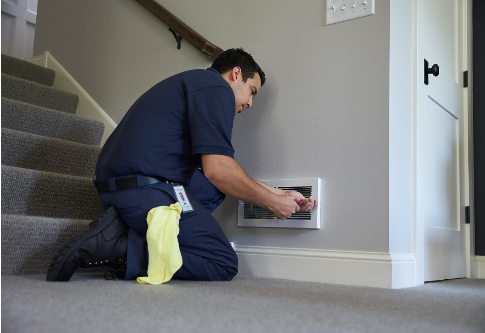
For a more thorough assessment, consider hiring a professional to conduct a duct leakage test or airflow measurement.
DIY Checks and Professional Solutions
Some duct issues can be addressed with simple do-it-yourself checks, while others require professional intervention. Here’s what you can do:
- Seal accessible leaks: Use mastic sealant or metal tape (not duct tape) to seal visible gaps or holes in exposed ducts.
- Replace air filters regularly: Clogged filters restrict airflow and can exacerbate duct problems. Change filters every 1–3 months depending on usage and environment.
- Keep vents clear: Ensure that furniture, curtains, or rugs are not blocking supply or return vents.
- Schedule duct cleaning: Built-up dust and debris can restrict airflow. For a step-by-step approach, see this guide on how to clean air ducts yourself.
- Consult a professional: If you suspect major design flaws or persistent airflow issues, a qualified HVAC technician can inspect, test, and recommend solutions such as resizing ducts, adding returns, or redesigning sections for better efficiency.

Preventing Future Duct and Airflow Problems
Once ductwork issues are identified and addressed, taking preventive measures can help maintain optimal airflow and system efficiency:
- Schedule regular inspections: Have your ducts checked by a professional every few years, especially after renovations or major HVAC upgrades.
- Upgrade insulation: Properly insulated ducts reduce energy loss and prevent condensation issues.
- Design with efficiency in mind: If building or remodeling, ensure ductwork is planned by a qualified HVAC designer who follows industry standards.
- Maintain cleanliness: Regular cleaning prevents dust buildup and improves air quality. For tips on cleaning specific components, see the guide on how to clean wall heaters.
By staying proactive, you can avoid many of the common pitfalls that lead to airflow problems and ensure your HVAC system operates at peak performance.
Frequently Asked Questions
What are the most common signs of poor ductwork?
The most frequent indicators include uneven room temperatures, weak airflow from vents, excessive dust, high utility bills, and unusual noises such as whistling or banging. These symptoms often point to leaks, blockages, or design flaws in the duct system.
Can I fix duct issues myself, or do I need a professional?
Some minor problems, like sealing visible leaks or replacing filters, can be handled by homeowners. However, diagnosing and correcting major design flaws, resizing ducts, or balancing airflow should be left to qualified HVAC professionals for best results.
How often should I have my ducts inspected or cleaned?
It’s a good idea to have your ducts inspected every 3–5 years, or sooner if you notice performance issues. Cleaning frequency depends on factors like pets, allergies, and recent renovations. For more information, check out these tips on cleaning insulated ductwork safely.