Maintaining healthy indoor air is a priority for homeowners and businesses alike. Over time, dust, allergens, and contaminants can accumulate in ductwork, impacting the air you breathe. Understanding how to test air quality before and after duct cleaning is essential for evaluating the effectiveness of cleaning and ensuring your environment remains safe and comfortable.
This guide will walk you through practical steps to assess indoor air quality, highlight the benefits of regular duct maintenance, and explain the tools and methods available for accurate measurement. By the end, you’ll know exactly what to look for and how to interpret your results.
For those dealing with insulated ductwork, you may also want to learn about how to clean insulated ductwork safely to further improve your air quality and system efficiency.
Why Assess Indoor Air Quality Around Duct Cleaning?
Air ducts play a crucial role in circulating air throughout your property. When they become dirty, they can distribute dust, mold spores, and other pollutants. Testing air quality both before and after cleaning provides:
- Evidence of improvement – You’ll see measurable changes in airborne particles and contaminants.
- Peace of mind – Confirms the cleaning service was effective and worth the investment.
- Health insights – Identifies lingering issues that may require further action, such as mold remediation or filtration upgrades.
Regular assessment can also help detect problems early, such as the symptoms of sick building syndrome from ducts, which can arise from poor air circulation and contaminated systems.
Key Contaminants to Measure
When evaluating air quality related to ductwork, focus on these common pollutants:
- Particulate Matter (PM2.5 and PM10) – Fine dust, pollen, and other particles that can aggravate allergies and respiratory conditions.
- Volatile Organic Compounds (VOCs) – Chemicals released from cleaning products, paints, and building materials.
- Mold Spores – Often found in damp or neglected ducts, posing risks for asthma and allergies.
- Carbon Monoxide (CO) – A byproduct of combustion appliances, dangerous at high levels.
- Humidity and Temperature – High humidity can encourage mold growth, while temperature affects comfort and system efficiency.
Preparing for Air Quality Testing
To get accurate results, follow these preparation steps:
- Choose the right time: Test at least 24 hours before and after duct cleaning to allow any changes to stabilize.
- Minimize external influences: Keep windows and doors closed, and avoid using strong-smelling chemicals or sprays during testing.
- Document conditions: Note recent activities, such as renovations or new furniture, which can temporarily affect air quality readings.
For those planning to clean ducts themselves, consider reviewing a step-by-step guide on DIY duct cleaning to ensure you’re following best practices and minimizing recontamination.
Tools and Methods for Testing Air Quality
There are several ways to measure indoor air quality, ranging from simple DIY kits to professional-grade equipment. Here’s an overview of the most common options:
- Portable Air Quality Monitors: Handheld devices that measure particulate matter, VOCs, CO2, humidity, and temperature in real time. These are user-friendly and provide instant feedback.
- Lab-Based Test Kits: Collect air samples using provided cassettes or petri dishes, then mail them to a lab for detailed analysis of mold, bacteria, and chemical contaminants.
- Professional Inspections: Certified indoor air quality specialists use advanced instruments to assess a wide range of pollutants and provide a comprehensive report.
- HEPA Air Scrubbers: While not a testing device, these machines can help reduce airborne particles during and after cleaning. Consider using one for ongoing air purification.
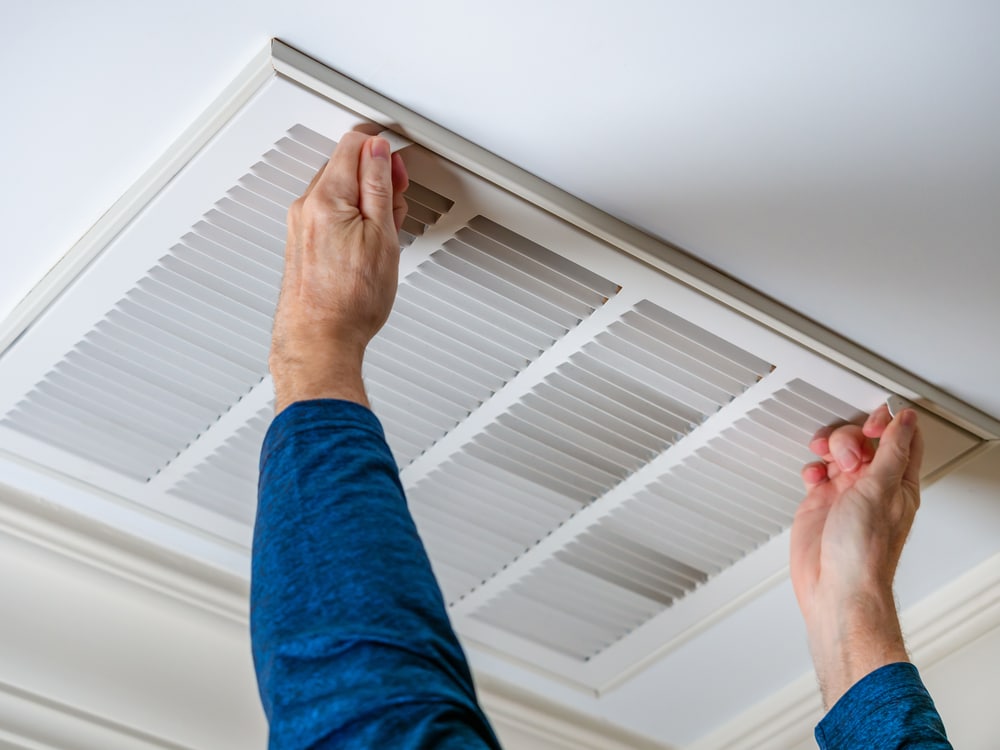
Step-by-Step: Measuring Air Quality Before and After Cleaning
Follow these steps to accurately evaluate air quality changes resulting from duct cleaning:
- Baseline Measurement: Place your air quality monitor or test kit in the main living area, away from vents and direct airflow. Record readings for at least 30 minutes to establish a baseline.
- Document Results: Note all readings, including particulate levels, VOCs, and humidity. Take photos of device displays if possible.
- Conduct Duct Cleaning: Whether you hire a professional or do it yourself, ensure the process is thorough. For advanced cleaning, methods like negative air pressure cleaning can be especially effective at removing deep-seated debris.
- Post-Cleaning Testing: Wait 24 hours for dust to settle and the HVAC system to circulate air. Repeat the same test in the same location, under similar conditions.
- Compare Data: Look for reductions in particulate matter, VOCs, and other pollutants. If levels remain high, consider additional cleaning or upgrades such as UV lights, which play a significant role in duct cleanliness.
Interpreting Your Results
After collecting your before-and-after data, analyze the following:
- Significant drop in PM2.5/PM10: Indicates effective removal of dust and debris from ducts.
- Lower VOCs: Suggests improved ventilation and less chemical buildup.
- Stable or reduced humidity: Helps prevent mold regrowth.
- Persistent high readings: May signal hidden issues, such as leaks, mold growth, or inadequate filtration.
If you notice only minor improvements, consider reviewing ways to keep ducts clean during remodeling or other ongoing maintenance strategies to prevent rapid recontamination.
Tips for Ongoing Indoor Air Quality Maintenance
Testing air quality is not a one-time task. To keep your environment healthy year-round:
- Change HVAC filters regularly (every 1–3 months).
- Schedule professional duct cleaning every 3–5 years, or more often if you have allergies or pets.
- Use HEPA air purifiers in high-traffic areas.
- Control humidity with dehumidifiers or proper ventilation.
- Monitor for signs of mold or unusual odors.
Regular monitoring and maintenance can help you catch issues early and maintain a safe, comfortable indoor environment.
Frequently Asked Questions
What are the best tools for measuring air quality before and after duct cleaning?
Portable air quality monitors are the most convenient option for homeowners, providing real-time data on particulates, VOCs, and other key metrics. For more detailed analysis, lab-based test kits or professional inspections can identify specific contaminants such as mold spores or bacteria.
How soon should I test air quality after duct cleaning?
It’s best to wait at least 24 hours after cleaning to allow dust to settle and the HVAC system to circulate fresh air. This ensures your post-cleaning readings accurately reflect the new baseline conditions.
What if my air quality doesn’t improve after cleaning the ducts?
If you don’t see significant improvements, consider checking for other sources of pollution, such as carpets, furniture, or hidden mold. Upgrading to HEPA filters, using UV lights, or consulting an indoor air quality specialist may be necessary for persistent issues.