Wall heaters are a practical solution for keeping rooms warm during colder months, but they can accumulate dust, debris, and allergens over time. Regular maintenance not only improves efficiency but also ensures the safety of your home. If you’re looking for a straightforward approach to how to clean wall heaters, this guide covers everything you need to know, from preparation to finishing touches. Proper cleaning can extend the life of your unit and help maintain healthy indoor air quality.
Before getting started, it’s important to understand that cleaning wall-mounted heaters involves more than just wiping the surface. Dust and buildup inside the unit can impact performance and even pose fire risks. For those interested in broader HVAC maintenance, you might also want to learn about how to clean insulated ductwork safely for a comprehensive approach to indoor air quality.
Why Regular Wall Heater Maintenance Matters
Neglecting wall heater cleaning can lead to reduced heating efficiency, higher energy bills, and potential safety hazards. Dust and lint inside the heater may cause unpleasant odors when the unit is running, and in some cases, can even ignite. Keeping your heater clean helps maintain optimal airflow and ensures the appliance operates as intended.
Routine maintenance also supports healthier indoor air. When heaters are clogged with dust, they can circulate allergens throughout your home. If you have allergies or respiratory sensitivities, regular cleaning is especially important. For those with more complex HVAC systems, understanding the difference between supply and return duct cleaning can further improve air quality and system performance.
Essential Safety Precautions Before Cleaning
Before you begin, always prioritize safety. Wall heaters are electrical appliances, and improper handling can result in injury or damage. Here are the key steps to take before starting:
- Turn off the power to the heater at the circuit breaker. Never rely solely on the unit’s switch.
- Allow the heater to cool completely before touching any part of it.
- Gather necessary tools: a vacuum with a brush attachment, microfiber cloths, a soft brush, and a screwdriver if your heater has a removable cover.
- Wear a dust mask and gloves to protect yourself from inhaling dust and debris.
Step-by-Step Instructions for Cleaning Wall Heaters
Follow these steps for a thorough and safe cleaning process:
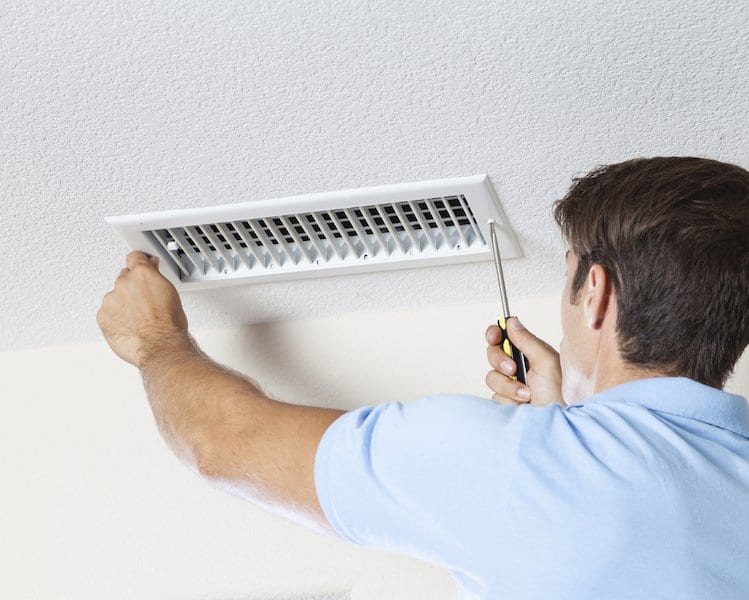
- Remove the front cover (if applicable). Use a screwdriver to detach the grill or cover, and set it aside.
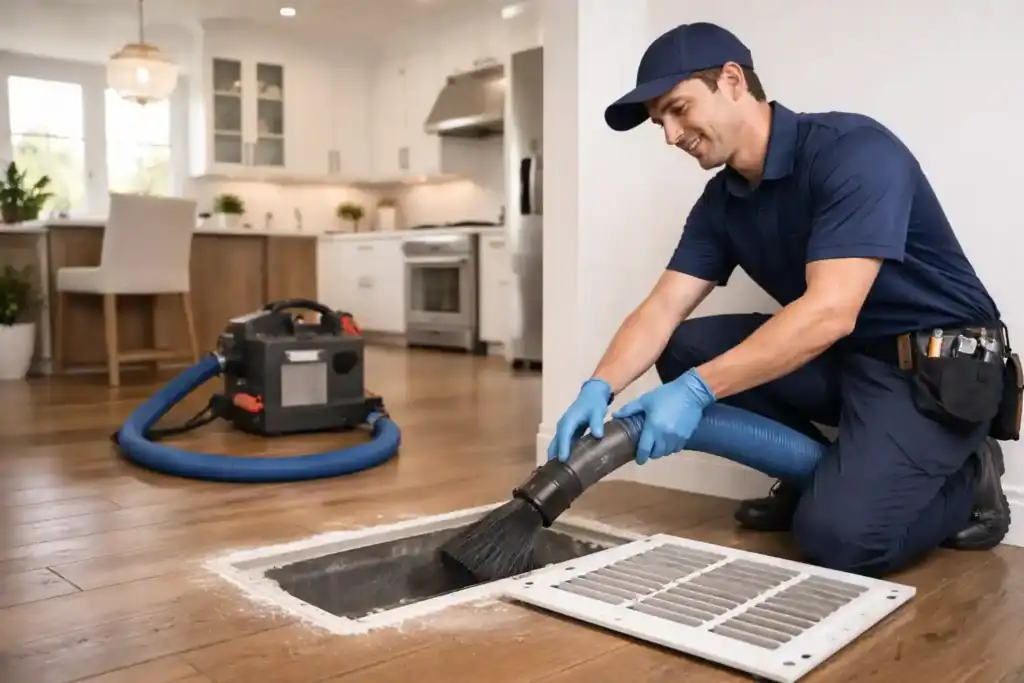
- Vacuum the interior. Use the brush attachment to gently remove dust and debris from the heater’s fins, coils, and internal components. Avoid using excessive force, as this can damage delicate parts.
- Wipe down surfaces. Dampen a microfiber cloth and wipe the inside and outside surfaces, including the cover. For stubborn grime, a mild detergent solution can be used, but never spray water directly into the unit.
- Clean the fan (if present). Some wall heaters have a fan to distribute heat. Carefully wipe the fan blades with a damp cloth, being mindful not to bend or break them.
- Inspect for damage. Look for signs of wear, corrosion, or frayed wires. If you notice anything unusual, consult a professional before reassembling and using the heater.
- Reassemble the unit. Once everything is clean and dry, reattach the cover securely.
- Restore power and test the heater to ensure it operates correctly.
Tips for Deep Cleaning and Allergen Reduction
For households with pets, smokers, or allergy sufferers, a deeper cleaning may be necessary. Consider these additional steps:
- Use a HEPA-filtered vacuum to capture fine dust and allergens.
- Clean surrounding walls and baseboards to prevent dust from re-entering the heater.
- Replace or clean any filters if your wall heater model includes them.
- Consider using an air scrubber in the room after cleaning to further reduce airborne particles. This can be especially helpful after renovations or if you notice persistent dust issues.
For more information on post-construction air quality, you can review resources like how to clean air ducts after remodeling to ensure your space remains healthy and dust-free.
How Often Should You Clean Your Wall Heater?
The frequency of cleaning depends on usage and environment. For most homes, a thorough cleaning at the start and end of the heating season is sufficient. However, if you notice dust buildup, reduced airflow, or unusual odors, it’s wise to clean more often. Homes with pets, children, or high dust levels may require monthly maintenance.
Regular inspection and cleaning can also help you identify issues before they become serious. For hard-to-reach areas, such as ceiling vents, you might find it helpful to explore how to clean high ceiling vents for additional tips and techniques.
Common Mistakes to Avoid
While cleaning wall heaters is generally straightforward, there are a few pitfalls to avoid:
- Never use water directly on electrical components. Always use a damp cloth and ensure surfaces are dry before reassembling.
- Don’t skip turning off the power. This is essential for your safety.
- Avoid harsh chemicals that can damage finishes or internal parts.
- Do not bend or damage fins and coils, as this can reduce efficiency.
Additional Resources for Cleaner Indoor Air
Maintaining clean wall heaters is just one part of a healthy home environment. If you’re interested in broader strategies, consider learning about the impact of dirty ducts on air conditioning cooling and how to remove pollen from ventilation during allergy season. These resources can help you create a comprehensive cleaning routine that supports both comfort and wellness.
Frequently Asked Questions
Can I Clean My Wall Heater Without Removing It From the Wall?
Yes, most wall heaters are designed to be cleaned in place. Simply remove the front cover and follow the steps outlined above. However, if you notice excessive buildup or suspect internal issues, professional servicing may be necessary.
Is It Safe to Use Compressed Air to Clean Wall Heaters?
Compressed air can be used to dislodge dust from hard-to-reach areas, but use it cautiously. Always ensure the power is off, and avoid blowing dust deeper into the unit or into your living space. A vacuum with a brush attachment is usually safer and more effective.
What Should I Do If My Wall Heater Smells After Cleaning?
If you notice a burning or musty odor after cleaning, double-check that all components are dry and free of debris. Persistent smells may indicate deeper issues, such as electrical problems or mold, and should be evaluated by a professional.