Keeping your kitchen’s ventilation system in top shape is essential for both safety and efficiency. Over time, grease and debris can build up inside the ductwork connected to your range hood, reducing airflow and increasing the risk of fire. Learning how to clean a range hood duct not only improves air quality but also extends the life of your appliances and keeps your kitchen smelling fresh.
This guide covers the step-by-step process for removing stubborn grease from your range hood duct, the tools and supplies you’ll need, and tips for maintaining a clean duct system. If you’re interested in cleaning other types of ductwork, check out our advice on how to clean insulated ductwork safely for additional techniques and safety tips.
Why Regular Range Hood Duct Cleaning Matters
A neglected duct can quickly become a hazard. Grease buildup inside the ductwork is highly flammable, and even a small kitchen fire can spread rapidly through dirty vents. Besides safety, a clean duct ensures your range hood works efficiently, removing smoke, odors, and airborne particles from cooking.
Routine cleaning also helps prevent unpleasant smells and reduces the presence of bacteria or mold that thrive in greasy, damp environments. For those with allergies or respiratory issues, maintaining clean ducts can make a noticeable difference in indoor air quality.
Essential Tools and Supplies for Duct Cleaning
Before you begin, gather the following items to make the process smoother:
- Protective gloves and safety goggles
- Sturdy step ladder
- Screwdriver (to remove duct covers or panels)
- Degreasing cleaner or dish soap
- Long, flexible brush or duct cleaning brush
- Microfiber cloths or rags
- Bucket of warm water
- Vacuum with hose attachment (optional, for loose debris)
For those interested in advanced air filtration during cleaning, consider using a HEPA air scrubber to capture fine particles.
Step-by-Step Instructions: Cleaning Grease from Range Hood Ducts
Follow these steps to tackle grease and grime inside your range hood duct:
- Turn off power to the range hood by unplugging it or switching off the circuit breaker. This ensures safety while working near electrical components.
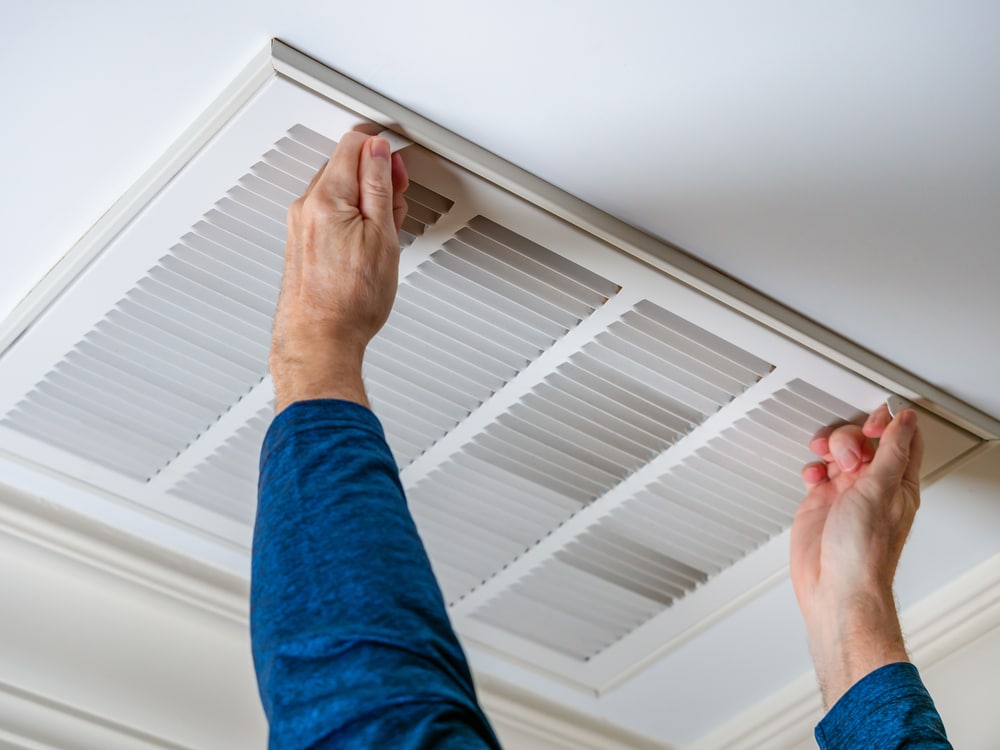
- Remove the filters and cover. Most range hoods have removable metal or charcoal filters. Take these out and set aside for separate cleaning.
- Access the ductwork. Depending on your setup, you may need to unscrew a panel or cover to reach the duct. Use a screwdriver and keep track of any screws or fasteners.
- Loosen and remove debris. Use a long, flexible brush to scrub the inside of the duct. Start at the hood and work your way as far as possible into the duct. For stubborn spots, apply a degreasing cleaner and let it sit for several minutes.
- Wipe and rinse. Dampen a microfiber cloth with warm, soapy water and wipe down the inside of the duct. Repeat as needed until the cloth comes away clean.
- Vacuum loose particles. If you have a vacuum with a hose attachment, use it to remove any loosened debris or dust from the duct.
- Clean the filters. Soak metal filters in hot, soapy water or a degreasing solution. Scrub with a brush and rinse thoroughly before allowing them to dry completely.
- Reassemble and test. Once everything is clean and dry, reattach the duct cover and filters. Restore power and test the range hood to ensure proper airflow.
Tips for Effective Grease Removal from Kitchen Vent Ducts
Grease can be stubborn, especially if it’s been accumulating for months or years. Here are some practical tips to make the job easier:
- Use a commercial degreaser specifically designed for kitchen use. These break down grease more effectively than standard dish soap.
- Let cleaning solutions sit for at least 10 minutes on tough spots before scrubbing.
- Repeat the process if necessary, especially in high-use kitchens.
- For hard-to-reach areas, flexible duct brushes or even a length of cloth attached to a wire can help extend your reach.
- Wear gloves to protect your hands from harsh chemicals and hot water.
How Often Should You Clean Your Range Hood Duct?
The frequency of cleaning depends on how often you cook and the type of food you prepare. For most households, a thorough cleaning every six months is sufficient. However, if you frequently fry foods or cook with a lot of oil, consider cleaning every three months. Commercial kitchens or heavy-use home kitchens may require even more frequent attention.
Regular maintenance also helps you spot any issues early, such as blockages or damaged ductwork, which can be addressed before they become major problems. For more on how dirty ducts affect your home, see our article on the impact of dirty ducts on air conditioning cooling.
Preventing Grease Buildup in Your Kitchen Ductwork
Prevention is always easier than deep cleaning. Here’s how to keep your kitchen duct cleaner for longer:
- Run your range hood every time you cook, especially when frying or sautéing.
- Clean or replace filters monthly to prevent grease from entering the duct.
- Wipe down the exterior of the hood and nearby surfaces regularly.
- Schedule professional duct cleaning annually for a thorough job, especially in commercial kitchens.
If you’re tackling other duct cleaning projects, you might find our maintenance tips for swamp cooler ducts helpful as well.
When to Call a Professional for Duct Cleaning
While many homeowners can handle light to moderate cleaning, there are times when professional help is the safest option. If you notice heavy grease buildup, persistent odors, or reduced airflow even after cleaning, it may be time to bring in an expert. Professionals have specialized tools and cleaning agents that can reach deep into the ductwork and remove years of accumulated grease.
If you’re interested in learning more about DIY duct cleaning, this step-by-step guide to cleaning air ducts yourself offers additional tips and best practices.
Frequently Asked Questions
Is it safe to clean range hood ducts myself?
Yes, most homeowners can safely clean their own range hood ducts with the right tools and precautions. Always disconnect power before starting, wear protective gear, and avoid using harsh chemicals that could damage ductwork. For severe buildup or complex duct systems, consider hiring a professional.
What is the best cleaner for removing grease from ducts?
A commercial kitchen degreaser is most effective for breaking down tough grease. Alternatively, a mixture of hot water and dish soap can work for lighter buildup. Let the cleaner sit on greasy areas before scrubbing for best results.
How do I know if my range hood duct needs cleaning?
Signs include reduced airflow, lingering cooking odors, visible grease on filters or inside the duct, and increased noise from the fan. Regular inspection and cleaning every few months help prevent these issues.
Can dirty ducts affect my kitchen’s air quality?
Absolutely. Grease and debris in the ductwork can harbor bacteria, mold, and unpleasant odors, all of which can impact indoor air quality. Keeping ducts clean is important for a healthy kitchen environment.