Understanding the difference between supply and return duct cleaning is essential for homeowners and facility managers who want to maintain healthy indoor air quality and efficient HVAC performance. While both types of ducts are critical to your heating and cooling system, they serve distinct roles and require different cleaning approaches. Knowing how each duct functions and why their maintenance matters can help you make informed decisions about air duct cleaning and overall HVAC care.
Supply ducts deliver conditioned air from your HVAC system into various rooms, ensuring comfort throughout your space. Return ducts, on the other hand, draw air back into the system to be filtered and reconditioned. Over time, both duct types can accumulate dust, allergens, and debris, but the nature and amount of buildup often differ. Addressing both supply and return ducts during cleaning is key for a balanced, efficient system.
For those interested in more specialized duct maintenance, such as insulated ductwork, you can explore how to clean insulated ductwork safely for additional guidance.
Understanding Supply and Return Ducts
To fully appreciate the distinctions in cleaning methods, it’s important to clarify the roles of supply and return ducts within an HVAC system:
- Supply ducts carry heated or cooled air from the HVAC unit into the living or working spaces. These ducts are responsible for distributing comfort throughout the building.
- Return ducts pull air from rooms back into the HVAC system. This air is then filtered, conditioned, and recirculated.
The configuration and layout of these ducts can vary depending on the building’s design and the type of HVAC system installed. However, all forced-air systems rely on both supply and return ducts to maintain proper airflow and temperature control.
Key Differences in Cleaning Supply vs. Return Ducts
While both duct types require attention, the process and focus areas for cleaning can differ. Here’s how:
Nature of Contaminants
Supply ducts often accumulate dust, pollen, and particles that originate from the HVAC system and are pushed into living spaces. Because these ducts deliver air directly to occupied rooms, any contaminants present can directly impact indoor air quality.
Return ducts, in contrast, tend to collect larger amounts of dust, pet hair, and debris from the rooms themselves. Since these ducts pull air back to the HVAC unit, they can become clogged more quickly, especially if air filters are not changed regularly.
Cleaning Techniques and Focus
When cleaning supply ducts, technicians typically focus on removing fine dust and particulate buildup that could be distributed throughout the home. Special attention is given to the duct surfaces and supply registers to ensure clean air delivery.
For return ducts, the emphasis is often on removing heavier debris and ensuring that airflow is not restricted. Return grilles and the area near the air handler or furnace are common trouble spots. In some cases, deeper agitation or vacuuming techniques may be needed to clear stubborn blockages.
Frequency and Importance
Because supply ducts directly affect the air you breathe, regular cleaning is crucial for those with allergies or respiratory concerns. Return ducts, while sometimes overlooked, are equally important; neglecting them can reduce system efficiency and increase energy costs.
Why Both Supply and Return Ducts Matter for Indoor Air Quality
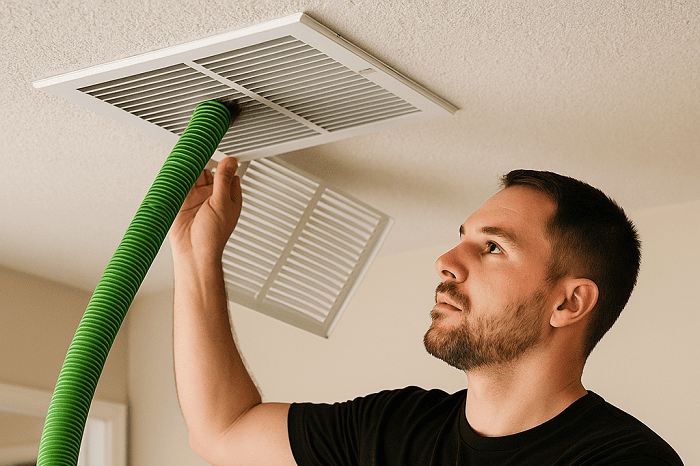
Maintaining both supply and return ducts is vital for a healthy indoor environment. If either duct type is neglected, contaminants can circulate throughout your space, leading to poor air quality, increased allergy symptoms, and even mold growth. Regular cleaning helps:
- Reduce dust and allergens in the air
- Improve HVAC efficiency and airflow
- Extend the lifespan of your heating and cooling equipment
- Lower energy bills by allowing your system to operate more efficiently
For those concerned about seasonal allergens, learning how to remove pollen from ventilation can further enhance your air quality during peak allergy seasons.
Professional vs. DIY Duct Cleaning Approaches
Many homeowners wonder if they can clean their own ducts or if professional services are necessary. While minor maintenance, such as vacuuming registers and changing filters, can be done yourself, thorough duct cleaning often requires specialized equipment and expertise.
Professional duct cleaners use high-powered vacuums, rotary brushes, and agitation devices to dislodge and remove debris from both supply and return ducts. They also inspect for mold, leaks, and other issues that may require attention. For those interested in DIY methods, resources like step-by-step duct cleaning guides can provide helpful tips, but keep in mind that results may not match professional standards.
Signs Your Ducts Need Cleaning
It’s not always obvious when your supply or return ducts need attention. Watch for these indicators:
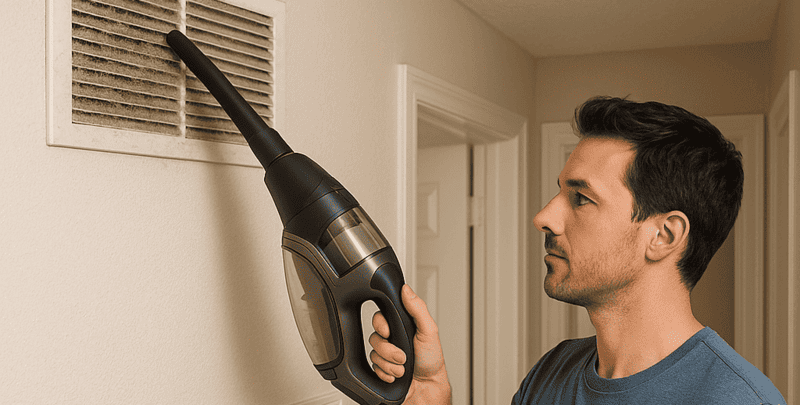
- Visible dust or debris around supply registers or return grilles
- Musty or unpleasant odors when the HVAC system runs
- Increased allergy or respiratory symptoms among occupants
- Reduced airflow or uneven heating/cooling
- Noticeable buildup of dust on furniture shortly after cleaning
If you notice any of these signs, it may be time to schedule a professional inspection and cleaning. For deeper cleans, understanding duct agitation techniques can help you evaluate the thoroughness of a cleaning service.
Best Practices for Maintaining Clean Ducts
To keep both supply and return ducts in optimal condition, consider these maintenance tips:
- Change HVAC filters regularly—at least every 1–3 months, or more often if you have pets or allergies.
- Vacuum supply and return registers to remove surface dust and debris.
- Schedule professional duct cleaning every 3–5 years, or more frequently in dusty environments.
- Seal leaks in ductwork to prevent dust infiltration and energy loss.
- Monitor humidity levels to discourage mold growth inside ducts.
For those with evaporative coolers, following maintenance tips for swamp cooler ducts can further support a clean and efficient system.
FAQs About Cleaning Supply and Return Ducts
How can I tell the difference between supply and return ducts in my home?
Supply ducts usually have adjustable registers or vents that blow air into rooms, while return ducts are often larger, covered with grilles, and do not blow air out. You can check airflow by placing a tissue near the vent: if it blows away, it’s a supply; if it’s drawn in, it’s a return.
Is it necessary to clean both supply and return ducts?
Yes, cleaning both types is important for balanced airflow, energy efficiency, and healthy indoor air. Neglecting either can lead to dust buildup, reduced system performance, and increased allergens.
How often should I schedule professional duct cleaning?
Most experts recommend professional cleaning every 3–5 years, but you may need it more often if you have pets, allergies, recent renovations, or visible dust and debris in your ducts.