After completing woodworking, renovations, or construction, it’s common to find fine sawdust lingering throughout your home. One of the most overlooked places this debris accumulates is inside your HVAC system. Left unchecked, sawdust can reduce air quality, clog filters, and even damage sensitive components. Understanding how to remove sawdust from HVAC systems is crucial for maintaining healthy indoor air and ensuring your heating and cooling equipment runs efficiently.
This guide covers practical steps for clearing out sawdust from ductwork, vents, and HVAC units after a project. We’ll also discuss when professional help is needed and how to prevent future buildup. For those dealing with other types of debris, you might also find it helpful to learn about the how to clean insulated ductwork safely for a more comprehensive approach to duct maintenance.
Why Sawdust in Your HVAC System Is a Problem
Even a small amount of sawdust can cause issues inside your home’s air system. Fine particles are easily drawn into return vents and distributed throughout ductwork. This can:
- Reduce indoor air quality, aggravating allergies and respiratory conditions
- Clog air filters, forcing your HVAC to work harder and increasing energy costs
- Settle on coils and fans, reducing system efficiency and lifespan
- Potentially create a fire hazard if sawdust accumulates near electrical components
Because these particles are so light, they often bypass basic filters and settle deep within the system. That’s why a thorough cleaning is necessary after any dusty home project.
Initial Steps: Preparing for Sawdust Removal
Before you start cleaning, take these preparatory steps to minimize risk and maximize effectiveness:
- Turn off the HVAC system at the thermostat and breaker to prevent dust from circulating during cleaning.
- Wear a mask and safety goggles to protect yourself from airborne particles.
- Gather supplies: high-efficiency (HEPA) vacuum, microfiber cloths, new air filters, screwdriver, and access to a shop vac if available.
Having the right tools on hand will make the process safer and more efficient. If you’re unsure about accessing certain parts of your system, consult your HVAC manual or contact a professional.
Step-By-Step Guide: Clearing Sawdust From Ducts and Vents
Follow these steps to effectively remove sawdust from your air system after a project:
1. Replace or Clean Air Filters
The first line of defense is your HVAC filter. Remove the old filter and dispose of it, as it’s likely loaded with fine dust. Install a new, high-quality filter—preferably a HEPA-rated one—to trap any remaining particles as you clean the rest of the system.
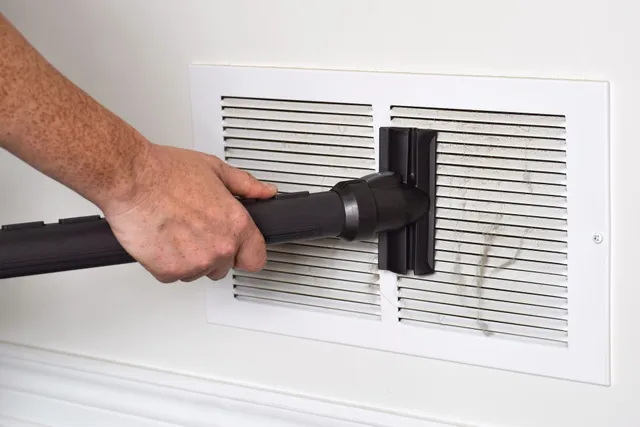
2. Vacuum Supply and Return Vents
Remove vent covers using a screwdriver. Use a HEPA vacuum or shop vac with a brush attachment to carefully clean inside the vent openings. Wipe down the covers with a damp microfiber cloth before reinstalling.
For a deeper understanding of vent cleaning, especially in hard-to-reach areas, see our tips on how to clean high ceiling vents.
3. Clean Inside the Ductwork
If you can access the ducts, gently vacuum as far as possible into the openings. Take care not to damage flexible ductwork or insulation. For insulated ducts, follow best practices as outlined in our resource on how to clean insulated ductwork safely.
4. Address the HVAC Unit Itself
Open the access panel to your furnace or air handler. Carefully vacuum around the blower, coils, and accessible components. Avoid touching electrical parts or delicate fins. If you notice a heavy buildup or are unsure about accessing these areas, it’s best to call a professional.
Advanced Tips for Thorough Sawdust Removal
For homes with extensive sawdust contamination, consider these advanced measures:
- Use a portable HEPA air scrubber to capture airborne dust during and after cleaning.
- Seal off rooms and vents during future projects to prevent dust from entering the system.
- Schedule a professional duct cleaning if you suspect dust has traveled deep into the ductwork.
Professional cleaning may be especially important if your system uses both supply and return ducts. Learn about the difference between supply and return duct cleaning to understand how dust can move through your home’s air pathways.
When to Call a Professional for HVAC Cleaning
While many homeowners can handle basic cleaning, there are situations where professional help is necessary:
- You notice persistent dust blowing from vents even after cleaning
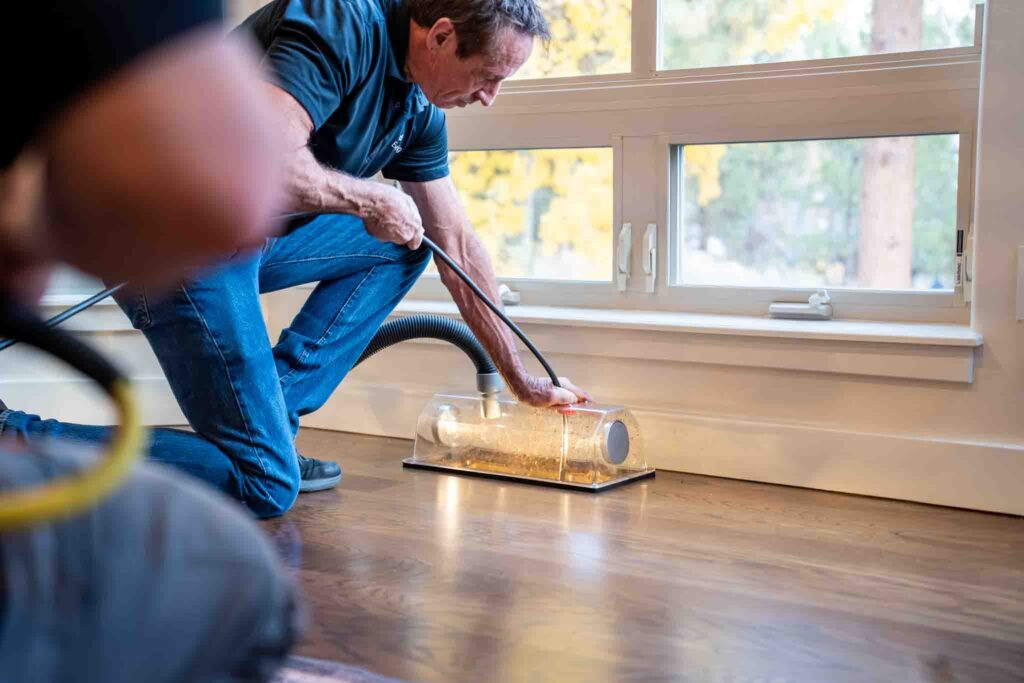
- There’s visible sawdust deep inside ducts or on HVAC components you can’t reach
- Your home has a history of allergies, asthma, or respiratory issues
- The HVAC system is making unusual noises or airflow is reduced
Certified duct cleaners use specialized equipment to remove dust, debris, and contaminants from the entire system. For more on what’s involved and when it’s recommended, see the EPA’s guidance on air duct cleaning in homes.
Preventing Sawdust Buildup in the Future
Once your system is clean, take steps to prevent future contamination:
- Close or cover vents in work areas before starting any dusty project
- Use plastic sheeting to isolate construction zones from the rest of your home
- Run a HEPA air scrubber or portable air purifier during and after work
- Change HVAC filters more frequently during renovation periods
- Schedule regular inspections and maintenance for your HVAC system
For those dealing with seasonal allergens as well as sawdust, see our advice on how to remove pollen from ventilation to keep your air as clean as possible year-round.
Frequently Asked Questions
How do I know if sawdust has entered my HVAC system?
Signs include visible dust on vent covers, reduced airflow, dusty odors when the system runs, or increased allergy symptoms. Checking inside vents and around the air filter can help confirm if sawdust is present.
Can I clean ductwork myself after a construction project?
Basic cleaning—such as changing filters and vacuuming vent openings—is safe for most homeowners. However, deep cleaning of duct interiors and HVAC components is best left to professionals, especially if you’re not familiar with the system’s layout.
Is it safe to run the HVAC system during construction?
It’s best to turn off your HVAC system or seal vents in work areas to prevent dust from circulating. If the system must run, use high-quality filters and clean them frequently to minimize dust buildup.
Conclusion
Addressing sawdust in your HVAC system promptly after a project is essential for maintaining air quality and system performance. By following these steps—replacing filters, vacuuming vents, and considering professional cleaning when needed—you can protect your home and your health. Regular maintenance and preventive measures will help keep your HVAC running smoothly, no matter how many projects you tackle in the future.