Maintaining your home’s HVAC system is essential for both air quality and energy efficiency. One often overlooked aspect is the regular cleaning of return air vents. Over time, dust, pet hair, and other debris can accumulate, restricting airflow and making your system work harder. This not only leads to higher utility bills but can also reduce the lifespan of your equipment.
By learning how to clean return air vents properly, you can improve indoor air quality, boost system performance, and even help prevent issues like allergies or respiratory discomfort. In this article, you’ll find a step-by-step approach, practical tips, and answers to common questions about vent maintenance. For those interested in broader ductwork care, you might also want to explore how to clean insulated ductwork safely for a comprehensive approach to home air quality.
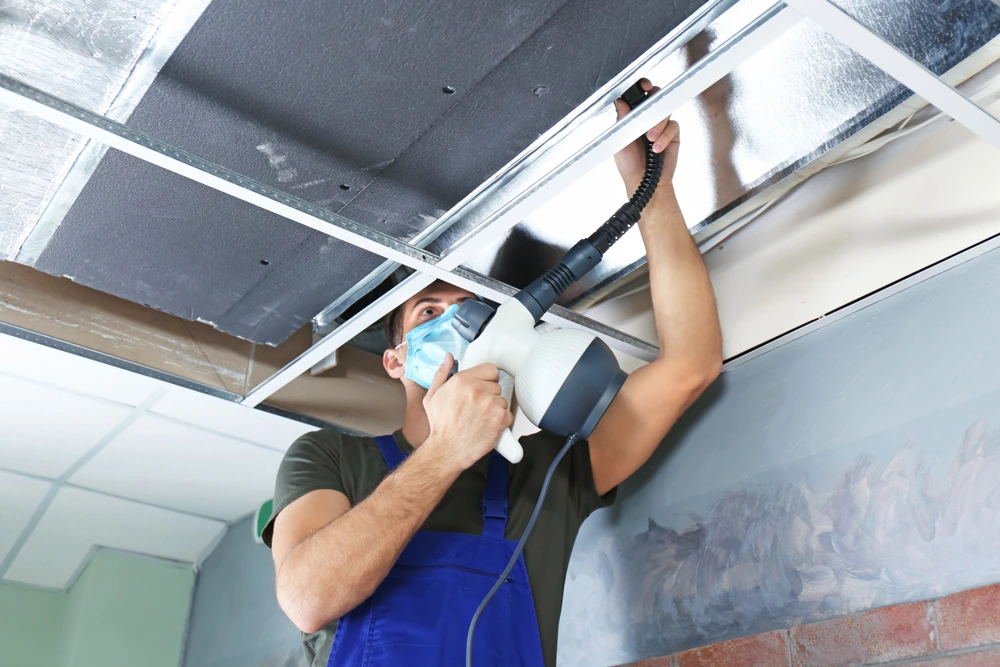
Why Regular Vent Cleaning Matters
Return air vents play a crucial role in circulating air throughout your home. When these vents are clogged with dust and debris, your HVAC system must work harder to maintain the desired temperature. This can lead to:
- Reduced energy efficiency and higher utility costs
- Increased wear and tear on your HVAC equipment
- Poor indoor air quality, aggravating allergies and respiratory issues
- Potential for mold growth if moisture is present
Keeping vents clean is a simple yet effective way to support a healthy and efficient home environment. For those interested in advanced duct cleaning technologies, learning about the role of UV lights in duct cleanliness can provide additional strategies for maintaining optimal air quality.
Essential Tools and Supplies for Cleaning
Before starting, gather the following items to make the process efficient and thorough:
- Vacuum cleaner with hose and brush attachment
- Soft microfiber cloths or dusters
- Warm, soapy water and a bucket
- Screwdriver (if vent covers are screwed in place)
- Disposable gloves and a dust mask (optional, for allergy sufferers)
- Replacement air filter (if needed)
Having these supplies on hand ensures you can tackle both surface dust and deeper grime, making your cleaning efforts more effective.
Step-by-Step Guide: Cleaning Return Air Vents
Follow these instructions to safely and thoroughly clean your return air vents:
- Turn off your HVAC system. This prevents dust from circulating while you work and keeps you safe.
- Remove the vent cover. Use a screwdriver if necessary. Carefully set aside the screws so they don’t get lost.
- Vacuum the vent cover. Use the brush attachment to remove loose dust and debris from both sides of the cover.
- Wash the cover. Submerge it in warm, soapy water and scrub gently with a cloth or soft brush. Rinse and let it dry completely.
- Clean inside the duct opening. Vacuum as far inside as possible to remove dust buildup. For deeper cleaning, a flexible brush or duster can help.
- Wipe down the surrounding wall area. Dust often accumulates around the vent edges.
- Replace the vent cover. Once fully dry, reattach the cover securely.
- Check and replace the air filter. If your system uses a filter near the return vent, now is a good time to inspect and replace it if dirty.
- Turn your HVAC system back on. Enjoy improved airflow and cleaner air.
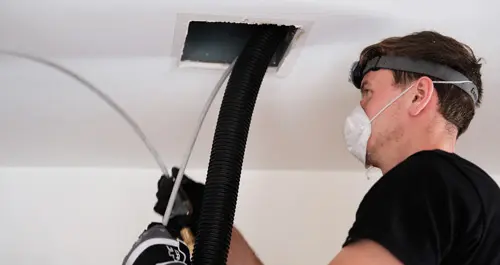
How Often Should You Clean Return Air Vents?
The frequency of cleaning depends on several factors, including the presence of pets, allergy sufferers, and the overall dust levels in your home. As a general rule:
- Inspect and wipe down vent covers every 1–2 months
- Deep clean (removing and washing covers) every 3–6 months
- Replace or check air filters monthly, especially during heavy HVAC use
Homes with pets or high dust levels may require more frequent attention. If you notice visible dust buildup, reduced airflow, or increased allergy symptoms, it’s time for a cleaning.
Tips for Maintaining Cleaner Air Vents
- Vacuum and dust regularly. Keeping floors and surfaces clean reduces the amount of debris entering your HVAC system.
- Use high-quality air filters. HEPA or electrostatic filters capture more particles and help keep ducts cleaner.
- Seal gaps and cracks. Prevent dust from entering ductwork by ensuring all vent covers and duct joints are properly sealed.
- Schedule professional duct cleaning. For deep or hard-to-reach buildup, consider hiring a professional. Learn about the negative air pressure cleaning method for effective whole-house results.
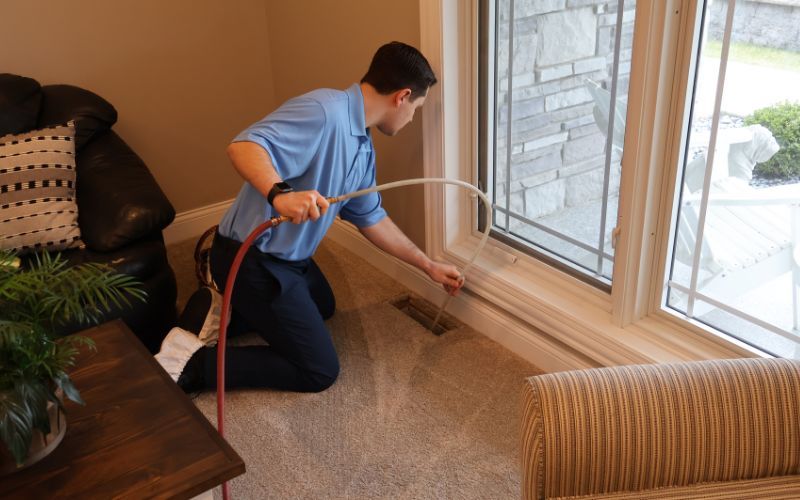
Common Problems Caused by Dirty Return Vents
Ignoring vent maintenance can lead to a range of issues, including:
- Reduced airflow and uneven heating or cooling
- Increased dust circulation and allergy flare-ups
- Unpleasant odors from trapped debris or mold
- Higher risk of system breakdowns and expensive repairs
In some cases, dirty ductwork can even contribute to symptoms of sick building syndrome from ducts, affecting the well-being of everyone in the home.
DIY vs. Professional Cleaning: What to Consider
While routine cleaning of vent covers and accessible duct openings is manageable for most homeowners, deep duct cleaning may require specialized tools and expertise. If you notice persistent dust, mold, or odors, or if your vents haven’t been cleaned in several years, it may be wise to consult a professional.
For those interested in a more hands-on approach, resources like this DIY duct cleaning guide offer additional tips and safety considerations.
Frequently Asked Questions
Can I clean return air vents without removing the cover?
You can dust and vacuum the surface without removing the cover, but for a thorough cleaning, it’s best to take the cover off and wash it. This allows you to reach trapped debris and clean inside the duct opening more effectively.
Is it safe to spray cleaning products inside the duct?
Avoid using harsh chemicals inside ductwork, as residues can circulate through your home’s air. Stick to vacuuming and wiping with a damp cloth. If you suspect mold, consult a professional for safe remediation.
How do I know if my vents need professional cleaning?
Signs include persistent dust, visible mold, musty odors, or reduced HVAC performance. If regular cleaning doesn’t resolve these issues, or if your system hasn’t been serviced in several years, professional cleaning may be necessary.
What are the benefits of using a HEPA air scrubber?
HEPA air scrubbers capture fine particles and allergens, helping to keep your air and ductwork cleaner. They are especially useful during renovations or in homes with allergy sufferers.
Conclusion
Regularly cleaning your home’s return air vents is a straightforward task that pays off in better air quality, improved system efficiency, and long-term savings. By following the steps outlined here and maintaining a consistent cleaning schedule, you can enjoy a healthier, more comfortable home environment. For additional strategies on keeping your ducts clean during home improvements, check out these ways to keep ducts clean during remodeling.