Exposure to airborne particles is a common concern in both homes and workplaces. When tiny particles such as dust, pollen, or mold spores are breathed in, they can irritate the respiratory system and lead to a range of health effects. Recognizing dust inhalation symptoms early is key to preventing long-term damage and maintaining healthy lungs. This article explores the signs of exposure, why they matter, and practical steps you can take to safeguard your respiratory health.
Whether you’re cleaning, renovating, or simply living in an environment with poor air quality, understanding the risks associated with inhaling dust is essential. For those interested in broader building health, you might also want to learn about the symptoms of sick building syndrome from ducts, which often overlap with dust-related issues.
Recognizing Common Signs of Dust Exposure
The body’s response to inhaled particles can vary depending on the type and concentration of dust, as well as individual sensitivity. Some people may notice symptoms immediately, while others develop problems after repeated or prolonged exposure. Below are the most frequently reported dust inhalation symptoms:
- Coughing and Throat Irritation: Persistent cough or a scratchy throat often signals that dust has irritated the upper airways.
- Shortness of Breath: Difficulty breathing or a feeling of tightness in the chest can occur, especially for those with asthma or allergies.
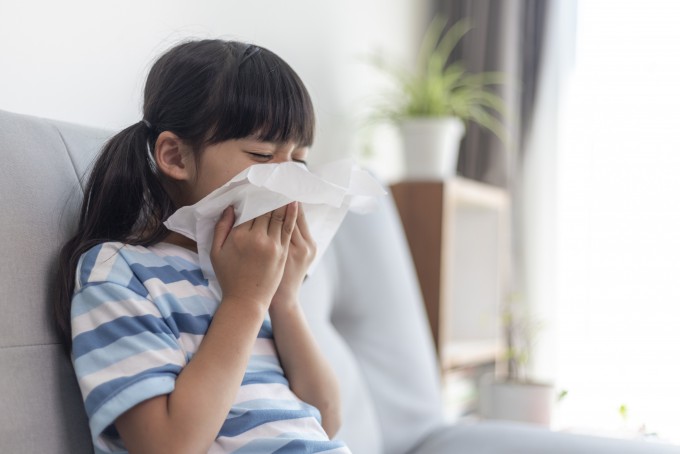
- Runny or Stuffy Nose: Nasal congestion, sneezing, and watery eyes are common allergic reactions to dust particles.
- Wheezing: A whistling sound while breathing may indicate that dust has reached the lower respiratory tract.
- Fatigue and Headaches: Chronic exposure can lead to tiredness and headaches, sometimes as part of a broader reaction to poor air quality.
If you notice these symptoms, especially after cleaning, construction, or spending time in dusty environments, it’s important to address the source and take steps to reduce exposure.
Why Dust Can Harm Your Lungs
Not all dust is the same. Household dust may contain skin flakes, fibers, pollen, mold spores, and even chemical residues. In workplaces, dust can include silica, asbestos, or metal particles, each carrying unique health risks. When inhaled, these particles can:
- Trigger allergic reactions or asthma attacks
- Cause inflammation and irritation in the airways
- Lead to chronic respiratory conditions with long-term exposure
- Increase the risk of infections by weakening lung defenses
For more on the impact of indoor air quality and related symptoms, see this overview of poor air quality symptoms.
Who Is Most at Risk?
While anyone can be affected by airborne particles, certain groups are more vulnerable:
- Children and the elderly: Developing or aging lungs are more sensitive to irritants.
- People with asthma or allergies: Even small amounts of dust can trigger symptoms.
- Workers in construction, agriculture, or manufacturing: Occupational exposure is often higher and more prolonged.
- Individuals with compromised immune systems: They may be less able to fight off infections caused by inhaled contaminants.
Long-Term Effects of Repeated Exposure
Occasional exposure to dust may cause only mild, temporary symptoms. However, repeated or chronic inhalation can lead to more serious health problems, such as:
- Chronic bronchitis: Ongoing inflammation of the airways, leading to persistent cough and mucus production.
- Asthma development or worsening: Frequent exposure can trigger new cases or exacerbate existing conditions.
- Pneumoconiosis: A group of lung diseases caused by inhaling mineral dusts, more common in certain industries.
- Increased risk of respiratory infections: Dust can impair the lungs’ natural defenses.
If you work in an environment with high dust levels, consider learning about the negative air pressure cleaning method for effective dust control.

How to Minimize Respiratory Risks at Home
Reducing airborne particles indoors is one of the most effective ways to protect your lungs. Here are practical steps you can take:
- Use high-efficiency air filters: HEPA and electrostatic filters capture fine particles and allergens.
- Clean ducts and vents regularly: Dust can accumulate in HVAC systems and be redistributed throughout your home. For tips, see how to clean insulated ductwork safely.
- Vacuum with a HEPA filter: Standard vacuums may release dust back into the air.
- Control humidity: Moist environments promote mold growth, which can worsen symptoms.
- Seal and ventilate during renovations: Construction dust can linger for weeks if not managed properly. For more, check out ways to keep ducts clean during remodeling.
- Avoid smoking indoors: Tobacco smoke adds to indoor air pollution and increases respiratory risks.
If you’re concerned about mold or persistent dust, anti-mold sprays and regular filter changes can make a significant difference.
When to Seek Medical Advice
Most mild reactions to dust resolve once exposure stops. However, you should consult a healthcare provider if you experience:
- Difficulty breathing that does not improve
- Chest pain or severe wheezing
- Persistent cough lasting more than a week
- Symptoms of infection, such as fever or green/yellow mucus
Early intervention can prevent complications and help identify any underlying conditions that may require treatment.
Preventing Dust-Related Lung Issues at Work
Occupational exposure to dust is a significant concern in many industries. Employers and workers can take the following steps to minimize risks:
- Use personal protective equipment (PPE) such as N95 masks or respirators
- Implement dust control measures, like wet cutting or local exhaust ventilation
- Maintain and clean machinery and workspaces regularly
- Monitor air quality and provide health screenings for employees
- Educate workers about the dangers of dust and proper safety protocols
For those interested in advanced cleaning technologies, the role of UV lights in duct cleanliness is also worth exploring.
FAQ
What are the first signs of breathing in too much dust?
Early indicators often include coughing, throat irritation, sneezing, and a runny or stuffy nose. Some people may also experience watery eyes or mild shortness of breath soon after exposure.
Can dust inhalation cause long-term health problems?
Yes, repeated or chronic exposure can lead to persistent respiratory issues such as chronic bronchitis, worsening of asthma, or even occupational lung diseases. It is important to address sources of dust and use protective measures, especially in high-risk environments.
How can I improve indoor air quality to reduce dust symptoms?
Use HEPA or electrostatic air filters, clean ducts and vents regularly, vacuum with a HEPA-equipped machine, and control humidity. Sealing off work areas during renovations and using anti-mold sprays can also help limit airborne particles.
When should I see a doctor about dust exposure?
If you have trouble breathing, chest pain, a cough that won’t go away, or signs of infection, it’s best to consult a healthcare provider promptly.