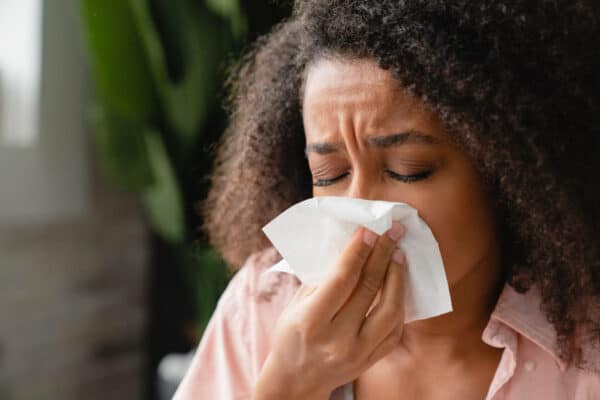
For many people, dust allergies can make everyday life uncomfortable, especially indoors. Sneezing, coughing, itchy eyes, and congestion are just a few of the symptoms triggered by airborne particles. One often overlooked factor in managing these symptoms is the cleanliness of your home’s HVAC system. Regular maintenance of heating, ventilation, and air conditioning units can play a significant role in reducing exposure to dust and other allergens.
This article explores how keeping your HVAC system clean can help reduce allergy symptoms, what steps you can take, and which products may support a healthier indoor environment. If you’re interested in more advanced cleaning strategies, you might also want to read about the how to clean insulated ductwork safely for additional tips.
Understanding Dust Allergies and Air Quality
Dust allergies are typically caused by a reaction to tiny particles in the air, such as dust mites, pollen, pet dander, and mold spores. These allergens can accumulate in carpets, bedding, and especially within HVAC systems. When the system runs, it can circulate these particles throughout your home, making symptoms worse.
According to the American Lung Association’s guide to unhealthy indoor air, poor indoor air quality can aggravate respiratory conditions and trigger allergic reactions. This makes it essential to address sources of airborne irritants, especially those hidden within your home’s ventilation system.
Why HVAC Cleaning Matters for Allergy Sufferers
Your HVAC system acts as the lungs of your home, drawing in air and redistributing it to every room. Over time, dust and debris collect in the ductwork, filters, and other components. Without regular cleaning, these particles are blown back into the living space, increasing the concentration of allergens.
- Reduces Allergen Circulation: Removing dust from ducts and filters prevents it from being spread throughout your home.
- Improves System Efficiency: Clean systems operate more efficiently, which can help maintain consistent airflow and better filtration.
- Supports Healthier Living: Cleaner air means fewer triggers for allergy symptoms and respiratory issues.

Key Steps to Minimize Allergens in Your HVAC System
Taking proactive measures can significantly reduce the presence of dust and other irritants in your home. Here are some practical steps:
- Change Filters Regularly: Use high-efficiency filters such as HEPA or electrostatic options. Replace or clean them every 1–3 months, depending on usage and manufacturer recommendations.
- Schedule Professional Duct Cleaning: Over time, dust, mold, and debris can build up in ductwork. Professional cleaning helps remove these contaminants, especially if you notice visible dust around vents or an increase in allergy symptoms.
- Control Humidity: Dust mites and mold thrive in humid environments. Keep indoor humidity between 30–50% using dehumidifiers or your HVAC system’s built-in features.
- Seal Leaks and Insulate: Leaky ducts can draw in dust from attics, crawl spaces, or basements. Sealing and insulating ductwork helps prevent this issue.
- Use Anti-Mold Sprays: Treating HVAC components with specialized sprays can inhibit mold growth, reducing another common allergen.
For more details on advanced cleaning methods, see our article on the understanding the negative air pressure method used by professionals.
Choosing the Right Filters and Purifiers
Not all air filters are created equal. For those with allergies, using a HEPA filter or an electrostatic filter can make a noticeable difference. HEPA filters are designed to capture at least 99.97% of particles as small as 0.3 microns, including dust, pollen, and pet dander. Electrostatic filters use static electricity to attract and trap particles, and many are washable for repeated use.
In addition to upgrading your HVAC filters, consider using a portable air purifier in bedrooms or living areas. This can further reduce airborne allergens and provide relief, especially during allergy season.
Additional Tips for Managing Allergens at Home
- Vacuum and Dust Frequently: Use a vacuum with a HEPA filter and dust with a damp cloth to prevent particles from becoming airborne.
- Wash Bedding Weekly: Hot water washes help eliminate dust mites and other allergens from sheets and pillowcases.
- Keep Pets Groomed: Regular baths and brushing can reduce dander, which is a common trigger for allergy sufferers.
- Limit Clutter: Fewer surfaces mean fewer places for dust to settle.
- Monitor Indoor Air Quality: Consider using an air quality monitor to track particulate levels and identify problem areas.
If you’re remodeling or making changes to your home, it’s wise to implement ways to keep ducts clean during remodeling to prevent new dust from accumulating in your system.
Recognizing When Professional Help Is Needed
While regular DIY maintenance is important, there are times when professional cleaning is necessary. If you notice persistent allergy symptoms, visible mold growth, or a musty odor coming from your vents, it’s time to call in a specialist. They can thoroughly inspect and clean your HVAC system, ensuring that hidden contaminants are removed.
In some cases, symptoms may be related to broader issues such as symptoms of sick building syndrome from ducts. Addressing these concerns promptly can lead to significant improvements in comfort and health.
FAQ: Dust, Allergies, and HVAC Maintenance
How often should HVAC filters be changed to reduce allergens?
For those with allergies, it’s best to check filters monthly and replace or clean them every 1–3 months. High-efficiency filters may require more frequent changes, especially during high pollen seasons or if you have pets.
Can cleaning air ducts really help with allergy symptoms?
Yes, professional duct cleaning can remove accumulated dust, mold, and other irritants from your HVAC system, reducing the number of allergens circulating in your home. This can lead to noticeable relief for allergy sufferers.
What are the signs that my HVAC system is contributing to poor indoor air quality?
Signs include increased allergy symptoms, visible dust around vents, musty smells, or unexplained respiratory issues. If you notice these, it may be time for a thorough inspection and cleaning of your system.
Are there specific products that help reduce allergens in HVAC systems?
Yes, using HEPA or electrostatic filters, anti-mold sprays, and portable air purifiers can all help minimize allergens. These products are designed to capture or neutralize particles before they can circulate through your home.
Is it necessary to hire a professional for HVAC cleaning?
While regular filter changes and surface cleaning can be done by homeowners, professional cleaning is recommended for deep ductwork cleaning or if you suspect mold or persistent dust buildup.
Keeping your HVAC system clean is a practical and effective way to manage dust allergies and maintain a healthier home environment. With the right maintenance routine and products, you can breathe easier and enjoy greater comfort indoors.