Understanding how long a duct camera inspection takes is essential for homeowners and facility managers planning HVAC maintenance. The process involves using specialized cameras to visually assess the inside of air ducts, identifying blockages, dust buildup, or potential damage. Knowing the duct camera inspection time required helps you schedule appointments efficiently and set realistic expectations for the service.
Several factors influence the duration of a duct inspection, including the size of the property, the complexity of the ductwork, and the level of contamination. In this article, we’ll break down the typical timeframes, what impacts them, and how you can prepare for a smooth inspection experience.
If you’re also interested in ongoing duct cleanliness, you may want to learn about the role of UV lights in duct cleanliness as part of a comprehensive air quality strategy.
What Happens During a Duct Camera Inspection?
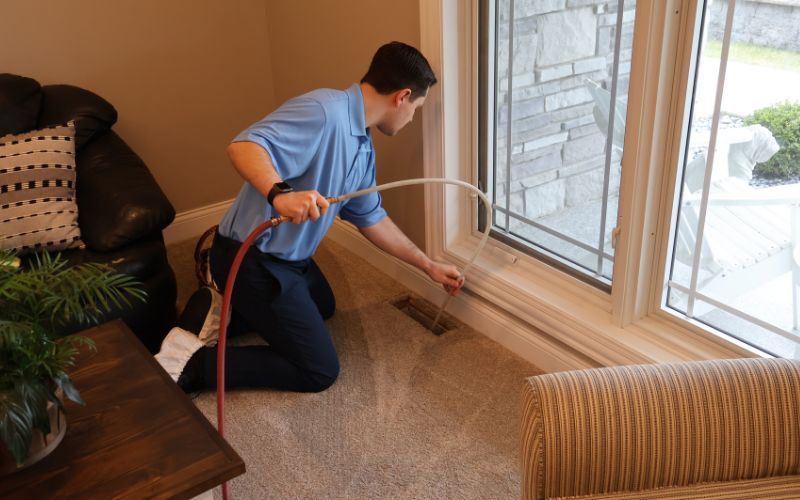
The process starts with a technician inserting a small, flexible camera into the ductwork. This camera transmits live video to a monitor, allowing the technician to visually inspect the interior surfaces for dust, debris, mold, or damage. The inspection covers main supply and return ducts, as well as branch lines if accessible.
The main goals are to:
- Identify blockages or airflow restrictions
- Spot mold, pests, or water damage
- Assess the level of dust and debris buildup
- Check for leaks or disconnected sections
Typical Duration: How Long Does It Take?
For most residential properties, a standard duct camera inspection takes between 30 minutes and 2 hours. The exact time depends on several variables, which we’ll detail below. Commercial buildings or large homes with complex duct systems may require more time—sometimes up to half a day for thorough coverage.
Here’s a general breakdown:
- Small apartments or condos: 30–45 minutes
- Average single-family homes: 1–1.5 hours
- Large homes or multi-story buildings: 2–3 hours
- Commercial properties: 2–4+ hours, depending on duct complexity
The duct camera inspection time required is usually shorter if the ductwork is easily accessible and hasn’t been modified or blocked by renovations.
Key Factors That Influence Inspection Time
Several elements can make the process faster or slower. Understanding these helps you anticipate how long your inspection might take.
- Size of the HVAC System: Larger systems with more vents and longer duct runs take more time to inspect thoroughly.
- Accessibility: If ducts are easy to reach and have clear access points, the inspection is quicker. Obstructed or hidden ducts require extra effort.
- Level of Contamination: Heavy buildup of dust, debris, or evidence of pests may require the technician to spend more time documenting and investigating problem areas.
- Type of Ductwork: Flexible ducts, insulated ducts, or ducts with multiple bends can slow down the camera’s progress.
- Purpose of Inspection: Routine inspections are typically faster than those prompted by suspected mold, water damage, or persistent air quality issues.
How to Prepare for a Smooth and Efficient Inspection
You can help minimize the duct camera inspection time required by preparing your space in advance. Here are a few practical steps:
- Clear furniture and obstacles away from vents and duct access points.
- Inform the technician of any known problem areas or recent renovations.
- Ensure pets are secured and children are aware of the visit.
- Provide access to utility rooms, attics, or crawl spaces if ducts run through these areas.
Taking these steps not only speeds up the process but also ensures a more thorough inspection.
What Happens After the Inspection?
Once the inspection is complete, the technician will review the video footage and provide a summary of findings. This may include recommendations for cleaning, repairs, or further testing. If issues like mold or significant debris are found, you’ll receive guidance on the next steps. For those interested in cleaning methods, you can learn about how to clean insulated ductwork safely for more detailed advice.

Benefits of Timely Duct Inspections
Scheduling regular inspections offers several advantages, including:
- Improved indoor air quality by identifying contaminants early
- Early detection of leaks or disconnected ducts, preventing energy loss
- Peace of mind knowing your HVAC system is functioning efficiently
- Lower risk of costly repairs due to undetected damage
If you notice signs like increased dust, musty odors, or allergy symptoms, it may be time to schedule an inspection. For more on health impacts, see the article on symptoms of sick building syndrome from ducts.
Expert Insights and Additional Resources
For a deeper understanding of the process and what to expect, you can consult this comprehensive home guide to air duct inspection. It covers best practices, signs you need an inspection, and how to interpret results.
If your inspection reveals a need for cleaning, you might also want to learn about understanding the negative air pressure method, a popular and effective duct cleaning technique.
Frequently Asked Questions
How often should I schedule a duct camera inspection?
Most experts recommend an inspection every 3–5 years for residential properties. However, if you’ve recently renovated, noticed reduced airflow, or experienced allergy symptoms, more frequent checks may be beneficial.
Will I need to leave my home during the inspection?
No, you can remain at home while the technician works. The process is non-invasive and does not require shutting down your HVAC system for extended periods.
Is the inspection process messy or disruptive?
Duct camera inspections are generally clean and minimally disruptive. Technicians use portable equipment and take care to avoid leaving debris. Preparing your space in advance helps ensure a smooth process.
Can the inspection detect mold or pests inside the ducts?
Yes, the camera can reveal visible mold growth, pest infestations, or water damage. If such issues are found, the technician will advise on appropriate remediation steps.