For property owners and facility managers, understanding the duct camera inspection ROI is crucial when planning HVAC maintenance. Whether you manage a commercial building or own a home, investing in advanced inspection technology can lead to significant savings, improved air quality, and fewer unexpected repairs. This article explores the measurable benefits, cost considerations, and practical outcomes of using camera-based duct inspections for both residential and business environments.
Before diving into the details, it’s important to recognize that regular ductwork assessments are only one piece of a comprehensive air quality strategy. For those interested in complementary methods, see our guide on how to clean insulated ductwork safely for additional insights.
Understanding the Value of Camera-Based Duct Inspections
Traditional ductwork inspections often rely on visual checks or basic airflow measurements, which can miss hidden issues. By contrast, camera-based assessments use specialized equipment to capture real-time images and videos inside the duct system. This approach provides a clear view of blockages, leaks, mold growth, and other problems that are otherwise invisible.
The return on investment for duct camera inspections comes from early detection and targeted maintenance. By identifying issues before they escalate, property owners can avoid costly repairs, reduce energy waste, and maintain healthier indoor environments.
Key Benefits for Residential and Commercial Properties
The advantages of using camera technology in ductwork maintenance extend to both homes and businesses. Here are some of the most impactful benefits:
- Early Problem Detection: Cameras reveal obstructions, pest infestations, and moisture buildup that could otherwise go unnoticed.
- Targeted Cleaning and Repairs: Instead of cleaning or repairing entire systems blindly, technicians can focus on specific trouble spots, saving time and resources.
- Improved Air Quality: By addressing contaminants and leaks, camera inspections support healthier indoor air, reducing the risk of allergies and respiratory issues.
- Energy Efficiency: Sealing leaks and removing blockages helps HVAC systems run more efficiently, lowering utility bills for both homes and businesses.
- Documentation for Compliance: For commercial properties, inspection footage can serve as proof of compliance with health and safety regulations.
Calculating Duct Camera Inspection ROI for Different Settings
Measuring the financial return of investing in camera-based duct inspections involves several factors. For homeowners, the main considerations are reduced repair costs, improved HVAC efficiency, and fewer health-related expenses. In commercial settings, the equation also includes compliance, insurance, and operational continuity.
Here’s a breakdown of how to assess the value:
- Cost of Inspection: The upfront price for a camera inspection is typically higher than a basic check, but it’s offset by the precision and thoroughness of the results.
- Maintenance Savings: By catching issues early, property owners can avoid emergency repairs, which are often much more expensive than preventive fixes.
- Energy Savings: Efficient ductwork reduces the workload on HVAC systems, leading to lower monthly energy bills.
- Health and Productivity: Cleaner air can mean fewer sick days and better productivity in workplaces, as well as improved well-being at home.
- Asset Longevity: Well-maintained ductwork and HVAC systems last longer, delaying the need for costly replacements.
For a detailed overview of how these inspections fit into broader HVAC maintenance, see this duct inspection camera guide for HVAC system maintenance.
Common Issues Detected by Duct Cameras
The ability to visually inspect duct interiors uncovers a range of problems that might otherwise go undetected. Some of the most frequent findings include:
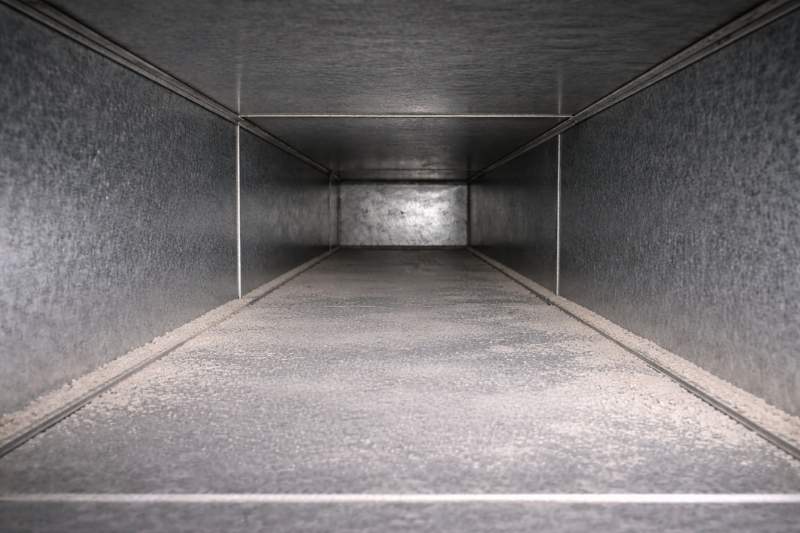
- Dust and Debris Accumulation: Over time, dust, construction residue, and allergens can build up, restricting airflow and reducing efficiency.
- Mold and Moisture: Hidden leaks or condensation can foster mold growth, posing health risks and damaging building materials.
- Pest Intrusions: Rodents, insects, and other pests sometimes nest in ductwork, leading to contamination and foul odors.
- Structural Damage: Cracks, disconnected joints, or collapsed sections can be identified and repaired before they worsen.
Maximizing Returns: Best Practices for Duct Camera Inspections
To ensure the best possible outcome from your investment, consider these best practices:
- Schedule Regular Assessments: Annual or biannual inspections help catch issues before they become serious.
- Work With Qualified Professionals: Choose technicians with experience in camera-based ductwork evaluation for accurate results.
- Integrate With Other Maintenance: Combine inspections with cleaning and sealing for comprehensive care. For more on keeping ducts clean during renovations, see our article on ways to keep ducts clean during remodeling.
- Document Findings: Keep records of inspection footage and reports for future reference and compliance.
- Act Promptly on Recommendations: Address issues as soon as they are identified to avoid escalating costs.
Comparing Camera Inspections With Traditional Methods
Unlike traditional inspections, which may rely on guesswork or incomplete data, camera-based approaches provide clear, actionable insights. This leads to more targeted repairs, less disruption, and better long-term outcomes. The ROI of duct camera inspections is especially evident when considering the reduced frequency of major breakdowns and the ability to plan maintenance proactively.
For those concerned about indoor air quality, it’s also worth exploring the role of UV lights in duct cleanliness as a complementary strategy.
FAQ: Duct Camera Inspection ROI and Related Topics
How often should duct camera inspections be performed?
For most homes and businesses, annual or biannual inspections are recommended. However, properties with high occupancy, recent renovations, or a history of HVAC issues may benefit from more frequent assessments.
What types of problems can a duct camera reveal?
Camera inspections can uncover dust buildup, mold, pest infestations, leaks, and structural damage inside ductwork. These insights enable targeted cleaning and repairs, improving system performance and indoor air quality.
Is the cost of a camera-based inspection justified?
While the initial cost may be higher than basic inspections, the long-term savings from reduced repairs, improved efficiency, and healthier air often outweigh the expense. For many property owners, the duct camera inspection ROI is realized through fewer emergencies and lower operating costs.
Can camera inspections help prevent sick building syndrome?
Yes, by identifying and addressing sources of contamination, these inspections contribute to healthier indoor environments. For more details, see our article on symptoms of sick building syndrome from ducts.
Are there specific methods that enhance the effectiveness of duct cleaning after inspection?
Yes, combining camera inspections with advanced cleaning techniques like the negative air pressure method can maximize results by ensuring contaminants are thoroughly removed.
In summary, leveraging camera technology for ductwork evaluation delivers measurable value for both residential and commercial properties. By investing in these inspections, property owners can enjoy cleaner air, lower costs, and greater peace of mind.