Rodents in air ducts can cause significant problems for both residential and commercial properties. From contaminating indoor air quality to damaging HVAC systems, the presence of mice, rats, or other pests inside ductwork is a serious concern. Modern solutions like duct camera inspection for rodent infestation have transformed how property owners and technicians identify and address these hidden threats.
This article explores how advanced camera technology helps detect rodent activity inside ducts, what signs to look for, and why this method is more effective than traditional inspection techniques. We’ll also cover the benefits of early detection, what to expect during a professional inspection, and how to keep your ductwork clean and pest-free.
Maintaining clean and safe ductwork is crucial for healthy indoor air. For those interested in best practices for duct maintenance, you might also find value in learning about how to clean insulated ductwork safely, which can complement rodent prevention efforts.
How Camera Technology Revolutionizes Rodent Detection in Ducts
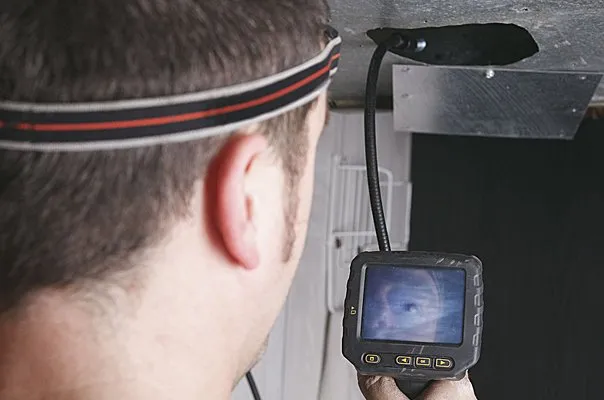
Traditional rodent detection methods often rely on visible signs around vents or the presence of droppings and odors. However, these approaches can miss hidden infestations deep within ductwork. Duct camera inspection for rodent infestation uses specialized, flexible cameras that navigate through air ducts, providing real-time video and images of the interior.
These cameras are equipped with LED lights and high-resolution lenses, allowing technicians to spot even subtle evidence of rodents, such as gnaw marks, nests, or fur. By accessing hard-to-reach areas, camera inspections help ensure that infestations are not overlooked, enabling targeted and effective remediation.
Key Signs of Rodent Activity Identified by Camera Inspections
When using a camera to inspect ductwork, technicians look for several telltale signs that indicate rodent presence. These include:
- Droppings and urine stains: Small, dark pellets or damp spots are common evidence of rodents.
- Nesting materials: Shredded insulation, paper, or fabric may be found in corners or junctions.
- Gnaw marks: Rodents often chew on duct linings, wiring, or insulation.
- Grease marks: Oily smudges along duct walls from rodent fur.
- Unusual odors: Strong, musky smells can signal an active infestation or decomposing pests.
By capturing clear images of these indicators, camera inspections provide undeniable proof of an infestation, supporting a more accurate and efficient response.
Benefits of Using Cameras for Rodent Infestation Detection
There are several advantages to choosing a duct camera inspection for rodent infestation over traditional methods:
- Non-invasive process: No need to dismantle ductwork or disrupt living spaces.
- Precise identification: Pinpoints the exact location and extent of the problem.
- Documentation: Provides visual evidence for insurance claims or landlord-tenant disputes.
- Faster remediation: Enables targeted cleaning, sealing, or pest control interventions.
- Cost-effective: Reduces unnecessary repairs or treatments by focusing only on affected areas.
For a deeper dive into the technology behind these inspections, you can read a comprehensive overview of duct inspection cameras and how they are transforming HVAC maintenance.
What to Expect During a Professional Duct Camera Assessment
When scheduling a camera-based duct inspection, a trained technician will insert a flexible camera probe into your duct system through an access point, such as a vent or service opening. The camera transmits live video to a monitor, allowing both the technician and homeowner to observe the duct’s interior.
The process typically involves:
- Initial assessment of accessible vents and registers.
- Insertion of the camera and systematic navigation through main and branch ducts.
- Real-time identification and documentation of rodent activity or damage.
- Recommendations for cleaning, sealing, or pest control based on findings.
- Optional post-remediation inspection to confirm successful removal and repairs.
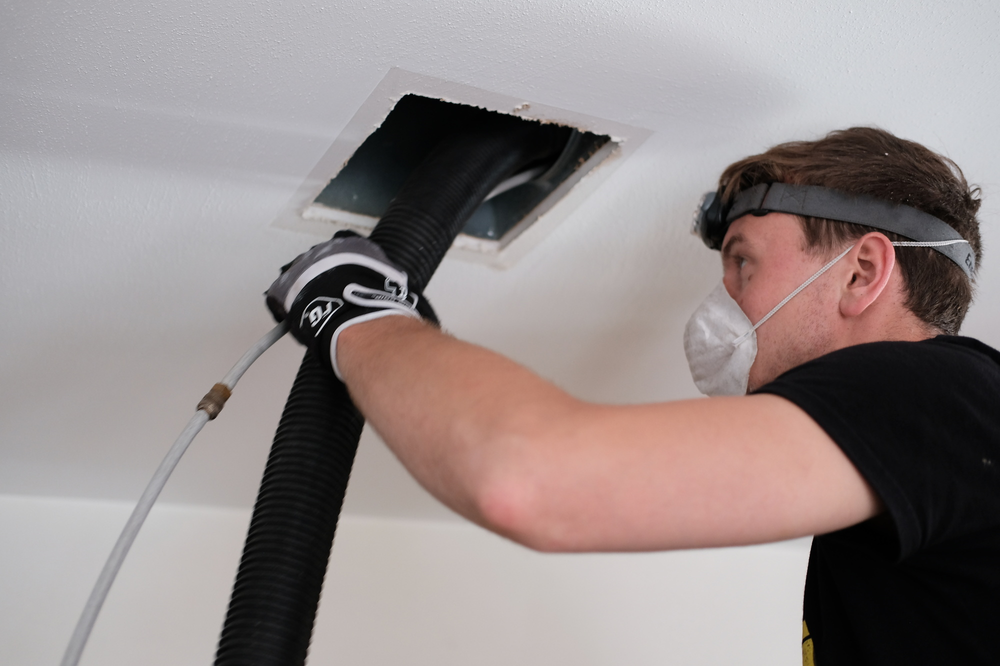
This approach minimizes guesswork and ensures that any rodent issues are addressed thoroughly, reducing the risk of recurring infestations.
Preventing Future Rodent Problems in Ductwork
After addressing an infestation, it’s important to take steps to prevent rodents from returning. Here are some practical strategies:
- Seal gaps and cracks around duct joints, vents, and exterior walls.
- Install mesh screens over exterior vent openings.
- Keep attics, basements, and crawl spaces clean and dry.
- Schedule regular duct inspections, especially in older buildings or areas prone to pests.
- Consider using advanced air purification or UV light systems to deter microbial growth and pests. Learn more about the role of UV lights in duct cleanliness for additional protection.
Consistent maintenance and vigilance are key to keeping your HVAC system free from unwanted guests.
Health and Safety Impacts of Rodents in Air Ducts
Rodents can introduce allergens, bacteria, and even viruses into your indoor environment. Their droppings and dander may trigger respiratory issues, especially in sensitive individuals. Over time, contaminated ducts can contribute to broader indoor air quality problems, sometimes leading to conditions like sick building syndrome.
Prompt detection and removal of rodents from ductwork is essential for maintaining a healthy home or workplace.
Frequently Asked Questions
How often should I have my ducts inspected for rodents?
It’s recommended to schedule a professional duct inspection at least once every two to three years, or immediately if you notice signs of rodent activity such as unusual odors, noises, or visible droppings near vents.
Can I perform a duct inspection myself without special equipment?
While you can check accessible vents for surface signs, only a professional with a specialized camera can thoroughly inspect the full length of your ductwork. DIY inspections are limited and may miss hidden infestations.
What should I do if rodents are found in my ducts?
If an inspection reveals rodents, contact a licensed pest control specialist and a duct cleaning professional. After removal, have your ducts cleaned and sealed to prevent re-entry. For more on maintaining duct cleanliness, see these smart ways to keep ducts clean during remodeling.
Conclusion
Using camera technology for inspecting air ducts is a highly effective way to uncover rodent infestations that might otherwise go undetected. This approach provides clear evidence, supports targeted remediation, and helps protect both your property and your health. Regular inspections and proactive maintenance are the best defenses against future pest problems in your HVAC system.