Ensuring the integrity and cleanliness of HVAC ductwork is a critical step in any new building project. As construction progresses, dust, debris, and even construction materials can accumulate inside air ducts, potentially leading to indoor air quality issues and system inefficiencies. Duct camera inspection for new construction offers a precise way to verify that ductwork is free from obstructions, properly installed, and ready for long-term performance.
This article explores how advanced camera technology is transforming the way contractors, builders, and property owners approach ductwork verification. We’ll cover the process, its benefits, and how it fits into broader strategies for maintaining healthy, efficient indoor environments. For those interested in keeping ductwork clean during renovations, you may also find value in our guide on ways to keep ducts clean during remodeling.
Why Visual Duct Assessment Matters in New Builds
During construction, HVAC systems are often exposed to dust, drywall particles, insulation fibers, and even stray tools or building materials. These contaminants can remain hidden inside ductwork, only to be discovered after the system is activated. By using duct camera inspection for new construction, contractors can visually confirm the cleanliness and structural soundness of the entire duct system before occupancy.
This proactive approach helps prevent:
- Reduced indoor air quality due to lingering construction debris
- Obstructed airflow that can strain HVAC equipment
- Costly callbacks for post-construction cleaning or repairs
- Potential health complaints from building occupants
How Duct Camera Inspection Works in Construction Settings
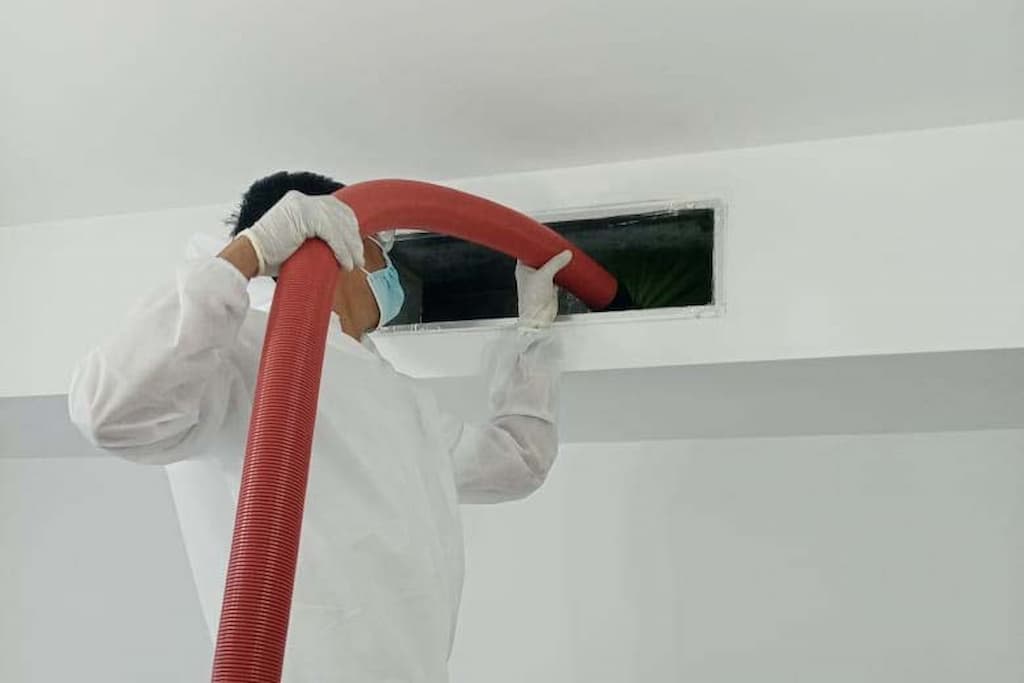
The process relies on specialized cameras designed to navigate the twists and turns of ductwork. These cameras are typically attached to flexible rods or cables, allowing technicians to access even hard-to-reach sections. Real-time video or high-resolution images are transmitted to a monitor, giving inspectors a clear view of the duct interior.
Key steps in the inspection process include:
- Identifying access points in the duct system
- Inserting the camera and guiding it through the ducts
- Documenting any blockages, debris, or installation issues
- Providing a visual report to builders or project managers
This method is non-invasive and does not require dismantling any part of the HVAC system, making it ideal for use during the final phases of construction or before system commissioning.
Benefits of Camera-Based Duct Inspections for New Construction
Incorporating duct camera inspection for new construction into your project workflow delivers several advantages:
- Quality Assurance: Visual confirmation that ducts are free from obstructions and properly sealed.
- Documentation: Photo and video evidence can be shared with clients, inspectors, or regulatory bodies.
- Problem Prevention: Early detection of issues such as crushed sections, disconnected joints, or leftover debris.
- Cost Savings: Reduces the likelihood of expensive post-occupancy repairs or cleaning.
- Healthier Indoor Air: Ensures that contaminants are not circulated when the HVAC system is activated.
Integrating Duct Camera Technology with Cleaning and Verification
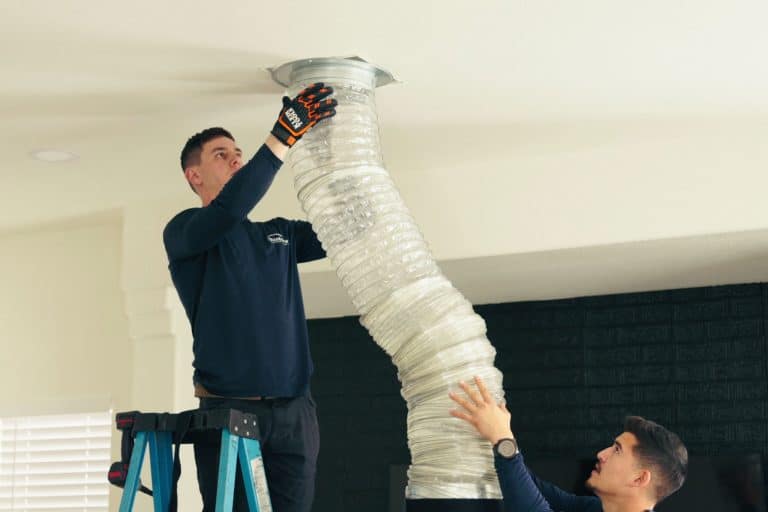
Camera inspections are often paired with advanced cleaning methods to ensure optimal results. For example, after a camera survey identifies dust or debris, technicians can use negative air pressure cleaning to remove contaminants. To learn more about this cleaning approach, see our article on understanding the negative air pressure method.
Additionally, some projects may benefit from installing UV lights within the ductwork to maintain long-term cleanliness. For more on this topic, our resource on the role of UV lights in duct cleanliness provides further insights.
When Should Duct Camera Inspections Be Scheduled?
The ideal timing for a camera-based ductwork assessment is after all major construction activities are complete but before the HVAC system is put into regular operation. This ensures that any issues can be addressed without disrupting building occupants or finished spaces.
In some cases, inspections may also be performed:
- Immediately after duct installation to verify proper assembly
- Following major renovations or remodeling projects
- Prior to final building inspections or occupancy certification
Choosing the Right Professionals for Duct Camera Work
Not all contractors are equipped with the latest camera technology or the expertise to interpret inspection results. It’s important to select a provider with experience in new construction environments and a track record of thorough, reliable service.
For those in the HVAC industry looking to expand their service offerings, resources such as adding air duct cleaning to your services can provide valuable guidance on integrating camera inspections and cleaning into your business.
Common Issues Detected During Duct Camera Assessments
Visual inspections can reveal a range of problems that might otherwise go unnoticed, including:
- Construction debris (screws, insulation, wood scraps) left inside ducts
- Crushed or disconnected duct sections
- Poorly sealed joints leading to air leaks
- Mold or moisture accumulation in hidden areas
- Obstructions from tools or packaging materials
Addressing these issues before occupancy helps maintain system efficiency and protects the health of future occupants.
Best Practices for Maintaining Clean Ducts Post-Construction
Once the initial inspection and cleaning are complete, it’s important to establish a maintenance plan. Regular inspections, filter changes, and periodic cleaning can help keep the system operating efficiently. For buildings with insulated ductwork, see our tips on how to clean insulated ductwork safely for additional guidance.
Monitoring for symptoms of poor indoor air quality, such as those described in our article on symptoms of sick building syndrome from ducts, can also prompt timely interventions.
Frequently Asked Questions
What is the main advantage of using cameras for duct inspections in new buildings?
Camera technology allows for a thorough, non-invasive assessment of the entire duct system. This ensures that any construction debris, installation errors, or blockages are identified and addressed before the HVAC system is activated, reducing future maintenance costs and improving indoor air quality.
How often should ductwork be inspected after construction is complete?
It’s recommended to perform a comprehensive inspection immediately after construction and before occupancy. After that, periodic checks every 2–3 years, or sooner if air quality issues arise, can help maintain a healthy environment.
Can duct camera inspections detect mold or moisture problems?
Yes, visual inspections can reveal signs of mold growth or moisture accumulation inside ductwork. Early detection allows for prompt remediation, preventing potential health risks and damage to the HVAC system.