Mold growth inside HVAC ductwork is a common but often overlooked problem in both residential and commercial buildings. Left unchecked, mold can compromise indoor air quality, trigger allergies, and even cause structural damage to your ventilation system. Traditional inspection methods may miss hidden growths deep within ductwork, making it difficult to identify the full extent of contamination. This is where duct camera inspection for mold detection becomes an invaluable tool, offering a clear, visual assessment of duct interiors and helping property owners make informed decisions about cleaning and remediation.
If you are already concerned about contaminants in your ductwork, you may also want to learn about how to clean insulated ductwork safely to prevent further mold issues and maintain a healthy environment.
Why Mold Forms Inside Air Ducts
Mold spores are present in nearly every indoor environment, but they require moisture and organic material to grow. HVAC ducts can provide these conditions due to condensation, leaks, or high humidity. Dust, pet dander, and other debris inside the ducts serve as food sources for mold colonies. When these factors combine, mold can quickly spread throughout the ductwork, often unnoticed until symptoms appear.
- Condensation from temperature differences
- Water leaks from HVAC components
- Poor ventilation or high indoor humidity
- Accumulation of organic debris
How Duct Camera Technology Works for Mold Detection
Duct camera inspection for mold detection utilizes specialized cameras designed to navigate the narrow, winding passages of HVAC systems. These cameras are typically mounted on flexible cables and equipped with LED lights to illuminate the interior surfaces of ducts. Live video feeds or high-resolution images are transmitted to a monitor, allowing technicians to visually inspect for mold, blockages, or damage.
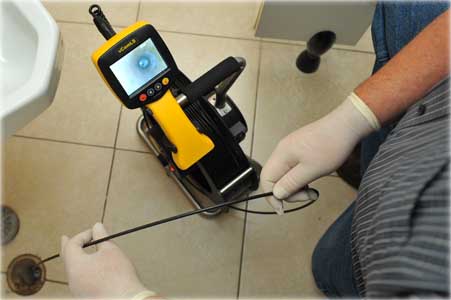
The use of cameras in ductwork inspection offers several advantages:
- Accurate identification: Visual confirmation of mold growth, including its location and extent.
- Documentation: Images and videos can be saved for records, insurance claims, or before-and-after comparisons.
- Targeted remediation: Pinpoints problem areas, reducing unnecessary cleaning and focusing efforts where needed.
- Non-invasive: No need to dismantle ductwork or disrupt building occupants.
Signs That Indicate a Need for Camera Inspection
While regular HVAC maintenance is important, certain warning signs suggest that a closer look inside your ducts is warranted. Consider requesting a camera-based inspection if you notice:
- Persistent musty or moldy odors when the HVAC system runs
- Visible mold around vents or registers
- Unexplained allergy symptoms or respiratory issues among occupants
- Recent water damage or flooding near ductwork
- Unusually high humidity or condensation inside the home
These symptoms may also overlap with other indoor air quality concerns, such as the symptoms of sick building syndrome from ducts, which can be exacerbated by hidden mold growth.
What to Expect During a Professional Duct Camera Assessment
When you schedule a duct camera inspection for mold detection, a trained technician will arrive with specialized equipment. The process generally involves the following steps:
- Preparation: The technician will access the ductwork through existing vents or service openings.
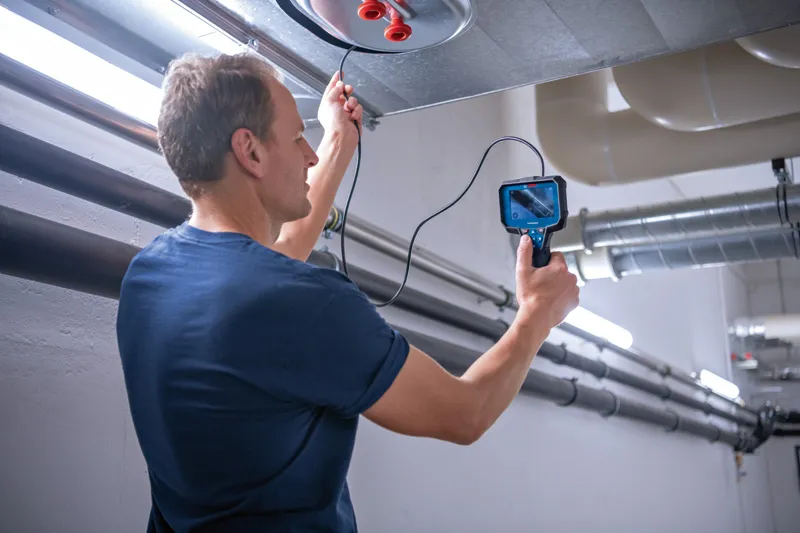
- Camera insertion: A flexible camera is carefully fed into the ducts, transmitting real-time images to a monitor.
- Visual survey: The technician inspects all accessible areas, looking for mold, moisture, debris, or damage.
- Documentation: Photos or video clips are recorded for your review and future reference.
- Reporting: A summary of findings is provided, along with recommendations for cleaning or remediation if mold is detected.
Benefits of Early Mold Detection in HVAC Systems
Early identification of mold inside ductwork offers several important benefits:
- Healthier indoor air: Reduces the spread of mold spores, improving air quality for building occupants.
- Prevents costly damage: Stops mold before it spreads to other HVAC components or building materials.
- Efficient cleaning: Allows for targeted remediation, saving time and money.
- Peace of mind: Visual confirmation that ducts are clean or that remediation has been successful.
For more information about the advantages of camera-based duct inspections, you can refer to this comprehensive guide to air duct camera inspections.
Integrating Camera Inspections With Other Duct Maintenance Methods
While camera inspections are highly effective for identifying mold, they are even more valuable when combined with other best practices in duct maintenance. For example, after identifying contaminated areas, technicians may use advanced cleaning methods such as the negative air pressure cleaning method to remove mold and debris. Additionally, installing UV lights can help prevent future growth, as discussed in this article on the role of UV lights in duct cleanliness.
Regular camera inspections can also be scheduled after home renovations or water damage events. For tips on keeping your ducts clean during such times, see these ways to keep ducts clean during remodeling.
Frequently Asked Questions
How often should HVAC ducts be inspected with a camera for mold?
For most homes and businesses, a camera inspection every 2–3 years is recommended, or sooner if you notice signs of mold, water damage, or unexplained health symptoms. Properties with a history of moisture problems may require more frequent checks.
Can duct camera inspections detect other issues besides mold?
Yes, these inspections can also reveal blockages, pest infestations, excessive dust buildup, and physical damage to ductwork. This comprehensive view helps ensure your HVAC system runs efficiently and safely.
Is it possible to perform a duct camera inspection without professional help?
While consumer-grade inspection cameras are available, professional technicians have access to higher-quality equipment and the expertise to interpret findings accurately. DIY inspections may miss subtle signs of mold or damage, so professional assessment is usually recommended for reliable results.