Indoor air quality is a significant factor in maintaining a healthy home or workplace. Over time, dust, allergens, mold, and other contaminants can accumulate inside air ducts, potentially impacting the well-being of occupants. Modern technology now allows for a detailed look inside these hidden spaces, making it easier to identify and address potential threats to indoor air. One of the most effective ways to assess the condition of your ductwork is through duct camera inspection for health concerns. This process uses specialized cameras to visually inspect the interior of ducts, helping property owners and professionals make informed decisions about cleaning and maintenance.
Understanding the value of inspecting ductwork is especially important for those concerned about respiratory issues, allergies, or the general cleanliness of their environment. If you’re interested in more comprehensive strategies, you may also want to learn about the how to clean insulated ductwork safely to complement your inspection efforts.

Why Visual Inspections Matter for Air Quality
The condition of your ductwork plays a direct role in the quality of air circulating throughout your space. Dust, pet dander, pollen, and even mold spores can settle in ducts and be redistributed each time your HVAC system runs. In some cases, pests or water damage may also go unnoticed, leading to further contamination.
Traditional inspections often rely on guesswork or visible symptoms, such as dust around vents or musty odors. However, these signs don’t always reveal the full extent of the problem. By using a camera system, professionals can pinpoint the exact location and nature of contaminants, blockages, or damage. This targeted approach ensures that cleaning and repairs are both effective and efficient, reducing the risk of ongoing health problems.
How Duct Camera Technology Works
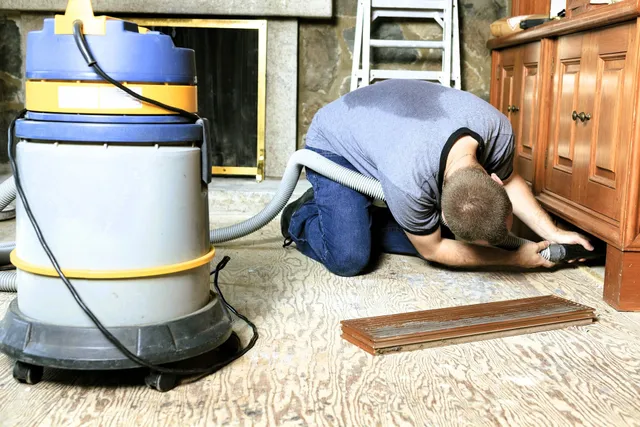
The process of inspecting ductwork for health-related issues involves inserting a small, flexible camera into the duct system. These cameras are designed to navigate tight bends and long stretches, transmitting live video or capturing images for later review. The footage allows technicians to observe the presence of dust buildup, microbial growth, debris, or even structural issues like cracks or leaks.
Some advanced systems offer features such as LED lighting, high-definition imaging, and the ability to record footage for documentation. This technology not only helps in identifying problems but also provides visual proof of the duct’s condition before and after cleaning, giving property owners peace of mind.
Common Health Issues Linked to Dirty Ducts
Poorly maintained ductwork can contribute to a range of health concerns. When contaminants accumulate and circulate, they may trigger or worsen respiratory conditions, allergies, and other symptoms. Some of the most common health risks associated with neglected ducts include:
- Allergic reactions such as sneezing, coughing, or itchy eyes
- Aggravation of asthma and other respiratory conditions
- Headaches and fatigue due to poor indoor air quality
- Potential exposure to mold spores, which can be particularly harmful for sensitive individuals
- Spread of bacteria and viruses in extreme cases
For more information about the symptoms that may arise from contaminated ductwork, you can explore the symptoms of sick building syndrome from ducts.
Benefits of Using Cameras for Ductwork Assessment
There are several advantages to choosing a camera-based inspection when addressing concerns about air quality and health:
- Accurate diagnosis: Visual confirmation of contaminants, blockages, or damage
- Targeted cleaning: Ensures only affected areas are treated, saving time and resources
- Documentation: Provides before-and-after evidence for homeowners, tenants, or building managers
- Peace of mind: Confirms the effectiveness of cleaning and maintenance efforts
- Early detection: Identifies minor issues before they escalate into costly repairs or health hazards
When Should You Schedule a Duct Camera Inspection?
Not every property requires frequent camera inspections, but certain situations make this service especially valuable. Consider scheduling a professional assessment if you notice:
- Unexplained allergy or asthma flare-ups among occupants
- Visible dust or debris coming from vents
- Persistent musty or unpleasant odors
- Recent water damage or suspected mold growth
- After major renovations or construction projects
- Before moving into a new home or commercial space
Regular inspections can also be part of a proactive maintenance plan, helping you avoid unexpected health and comfort issues down the line. For those interested in maintaining duct cleanliness during home improvement projects, see these ways to keep ducts clean during remodeling.
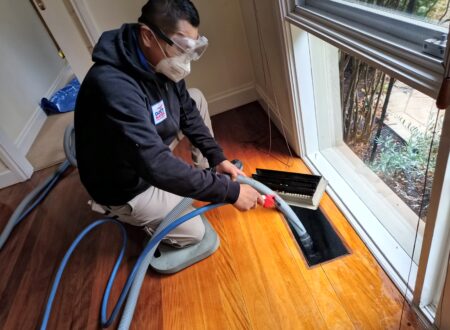
Steps Involved in a Professional Ductwork Camera Assessment
A typical inspection for health-related concerns involves several key steps:
- Initial consultation: The technician discusses any symptoms or issues you’ve noticed.
- Preparation: Access points are identified and created if necessary for camera entry.
- Camera insertion: The flexible camera is guided through the ductwork, capturing real-time video or images.
- Review and diagnosis: The technician reviews footage, identifying any contamination, damage, or blockages.
- Recommendations: Based on findings, a plan for cleaning, repairs, or further testing is proposed.
- Follow-up: After cleaning or repairs, a second inspection may be performed to confirm results.
This process is non-invasive and typically does not disrupt daily activities in the home or business.
Complementary Solutions for Healthier Ducts
While camera inspections are invaluable for identifying problems, they are most effective when combined with other maintenance strategies. For example, using advanced cleaning methods such as the understanding the negative air pressure method can help remove contaminants more thoroughly. Additionally, technologies like UV lights can inhibit microbial growth inside ducts; more details can be found in the article on the role of UV lights in duct cleanliness.
Staying informed about the latest tools and techniques is crucial for anyone serious about indoor air quality. If you want to dive deeper into the technology behind these inspections, this comprehensive overview of duct inspection cameras offers valuable insights.
FAQ: Duct Camera Inspections and Health
What health symptoms might indicate a need for ductwork inspection?
Common signs include persistent allergies, unexplained respiratory issues, headaches, or musty odors in your home or office. If multiple occupants experience similar symptoms, it may be time to assess your ductwork for hidden contaminants.
How often should ducts be inspected with a camera?
For most residential properties, a thorough camera inspection every three to five years is sufficient. However, homes with pets, recent renovations, or a history of water damage may benefit from more frequent assessments.
Can a camera inspection detect mold or bacteria?
While cameras can reveal visible mold growth, discoloration, or moisture, laboratory testing is required to confirm the presence and type of mold or bacteria. Visual inspection is an essential first step in identifying areas that may require further testing.
Is duct camera inspection disruptive to daily life?
No, the process is minimally invasive and typically completed within a few hours. Technicians use small access points and flexible equipment, so there is little to no disruption to your routine.