Air ducts play a crucial role in maintaining indoor air quality and energy efficiency. Over time, however, these hidden pathways can develop leaks that compromise both comfort and utility bills. Identifying and addressing these leaks is essential, but traditional methods often fall short in pinpointing the exact problem areas. This is where duct camera inspection for duct leaks becomes a game changer. By using specialized cameras, professionals can visually assess the interior of ductwork, uncover hidden issues, and recommend targeted repairs.
Before diving deeper into the process and benefits of this advanced inspection method, it’s important to understand how duct leaks can impact your home or business. Leaky ducts not only waste energy but can also introduce contaminants and reduce HVAC system performance. For those interested in related maintenance strategies, learning about how to clean insulated ductwork safely can further improve air quality and system longevity.

Understanding the Importance of Detecting Duct Leaks
Leaks in ductwork are more common than many property owners realize. Even small gaps or cracks can lead to significant energy loss, as conditioned air escapes before reaching its intended destination. This not only increases utility costs but also forces HVAC systems to work harder, potentially shortening their lifespan.
Beyond energy waste, duct leaks can draw in dust, insulation fibers, and other pollutants from attics or crawl spaces. These contaminants then circulate throughout the building, affecting indoor air quality and potentially triggering allergies or respiratory issues. Regular inspections are vital for early detection and prevention of these problems.
How Duct Camera Inspection Works
Traditional leak detection methods often involve guesswork or invasive procedures. In contrast, duct camera inspection for duct leaks uses advanced technology to provide a clear, real-time view inside the ductwork. Here’s how the process typically unfolds:
- Preparation: Technicians access the duct system through existing vents or service openings.
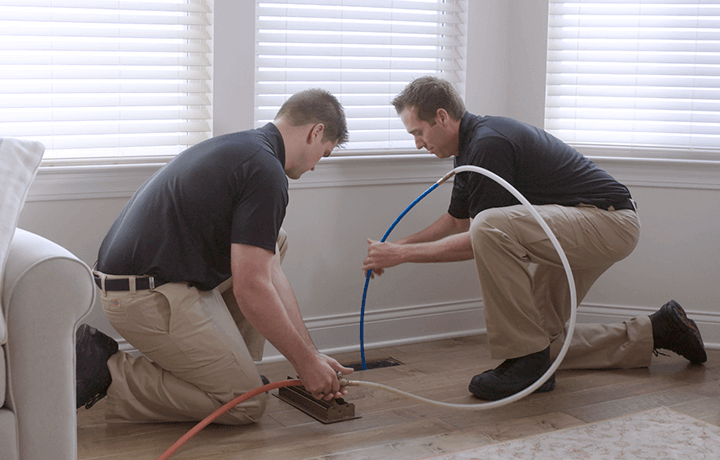
- Camera Insertion: A flexible, high-resolution camera is inserted into the ducts. The camera is equipped with lights to illuminate dark interior spaces.
- Visual Assessment: As the camera moves through the ductwork, technicians monitor a live video feed, looking for signs of leaks, blockages, or damage.
- Documentation: Images or video clips are recorded to document problem areas and support repair recommendations.
- Targeted Solutions: With precise information, repairs can be made exactly where needed, minimizing disruption and cost.
Key Benefits of Visual Duct Inspections
Using a camera to inspect ductwork offers several distinct advantages over conventional methods:
- Accuracy: Technicians can see the exact location and extent of leaks, cracks, or disconnected joints.
- Efficiency: The process is faster and less invasive, reducing downtime and the need for unnecessary repairs.
- Cost Savings: By addressing only the affected areas, property owners avoid the expense of replacing or sealing entire duct runs.
- Improved Air Quality: Identifying and sealing leaks prevents contaminants from entering the system, leading to cleaner indoor air.
- Energy Conservation: Sealing leaks ensures that conditioned air reaches its intended rooms, improving comfort and lowering energy bills.
For those interested in the broader impact of duct cleanliness, understanding the role of UV lights in duct cleanliness can provide additional insights into maintaining a healthy indoor environment.
Common Signs That Indicate the Need for a Duct Camera Inspection
While routine maintenance is always recommended, certain symptoms suggest that a closer look inside your ductwork may be necessary:
- Uneven heating or cooling in different rooms
- Unexplained spikes in energy bills
- Visible dust buildup around vents
- Musty or unusual odors coming from the HVAC system
- Increased allergy or respiratory symptoms among occupants
If any of these issues are present, scheduling a professional inspection can help identify whether leaks or other duct problems are to blame.
What to Expect During a Professional Duct Leak Assessment
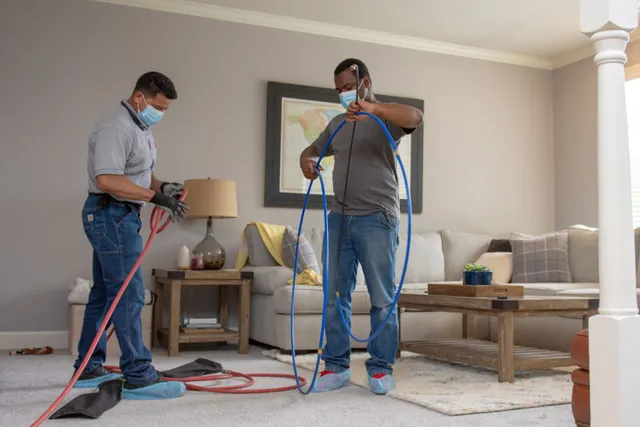
When you hire a qualified technician for a duct camera inspection for duct leaks, the process is straightforward and minimally disruptive. After an initial consultation, the technician will explain the procedure and answer any questions. The camera is then guided through the ductwork, with findings discussed in real time or reviewed afterward using recorded footage.
In many cases, the inspection will reveal not only leaks but also other issues such as blockages, mold growth, or damage from pests. This comprehensive view allows for a more effective maintenance plan and helps prevent future problems.
For a deeper dive into the technical side of these inspections, you can explore resources like how HVAC duct camera inspections are performed and what they reveal.
Integrating Camera Inspections with Other Duct Maintenance Methods
Visual inspections are just one part of a holistic duct maintenance strategy. Combining camera technology with other techniques—such as negative air pressure cleaning or UV light installation—can maximize system performance and longevity. For example, after identifying leaks or blockages with a camera, technicians may recommend cleaning methods like the negative air pressure method to remove debris and contaminants.
Additionally, keeping ducts clean during home renovations or remodeling projects can prevent new leaks or blockages from forming. For practical tips, see these ways to keep ducts clean during remodeling.
Frequently Asked Questions
How often should ductwork be inspected with a camera?
Most experts recommend a thorough inspection every 3–5 years, or sooner if you notice signs of leaks or reduced HVAC performance. Homes with pets, recent renovations, or a history of duct issues may benefit from more frequent checks.
Can camera inspections detect issues other than leaks?
Yes, these inspections can reveal blockages, mold growth, pest infestations, and structural damage within the ductwork. This comprehensive approach ensures all potential problems are identified and addressed.
Are duct camera inspections disruptive to daily activities?
The process is minimally invasive and typically completed within a few hours. Technicians use existing access points, so there’s little to no need for cutting into walls or ceilings.
What are the health risks of ignoring duct leaks?
Leaky ducts can introduce dust, mold spores, and other contaminants into indoor air, potentially leading to allergy symptoms or worsening respiratory conditions. For more information on related health concerns, consider reading about the symptoms of sick building syndrome from ducts.
Conclusion
Investing in a duct camera inspection for duct leaks is a smart, proactive step toward maintaining a healthy, efficient, and comfortable indoor environment. By leveraging advanced technology, property owners can address problems at their source, save on energy costs, and ensure cleaner air for everyone inside. Regular inspections, combined with proper cleaning and maintenance, form the foundation of a reliable HVAC system that stands the test of time.